Let's start with the truth
Depression doesn't just make you sad. It makes you numb. Your brain stops sending the signals that say "that feels good" or "I want that." Desire is one of the first things to go and one of the last to return. When it does come back, many people feel confused, even guilty, like they should know how to do this thing they've done a hundred times before. But your nervous system has been in survival mode. Your body needs permission to wake up again.
Why desire disappears during depression
It's not weakness or lack of love or boredom with your partner. It's neurobiology. Depression flattens dopamine, which fuels motivation and pleasure. It raises cortisol, your stress hormone, which tells your body "we're not safe right now." Some antidepressants also numb sexual response as a side effect. So you're dealing with three layers of biological shutdown at once. This isn't a character flaw. It's your brain protecting itself, badly.
When depression lifts, the wiring doesn't flip back on instantly. You might feel desire intellectually before you feel it physically. You might want to want it without actually wanting it. That gap is normal and temporary.
The return of sensation might feel weird
Many people describe reconnecting with pleasure after depression as almost painful at first. Your sensitivity has returned but your expectation hasn't. You might feel too much, too fast. Or you might feel nothing and panic that you're still broken. Both are just recalibration.
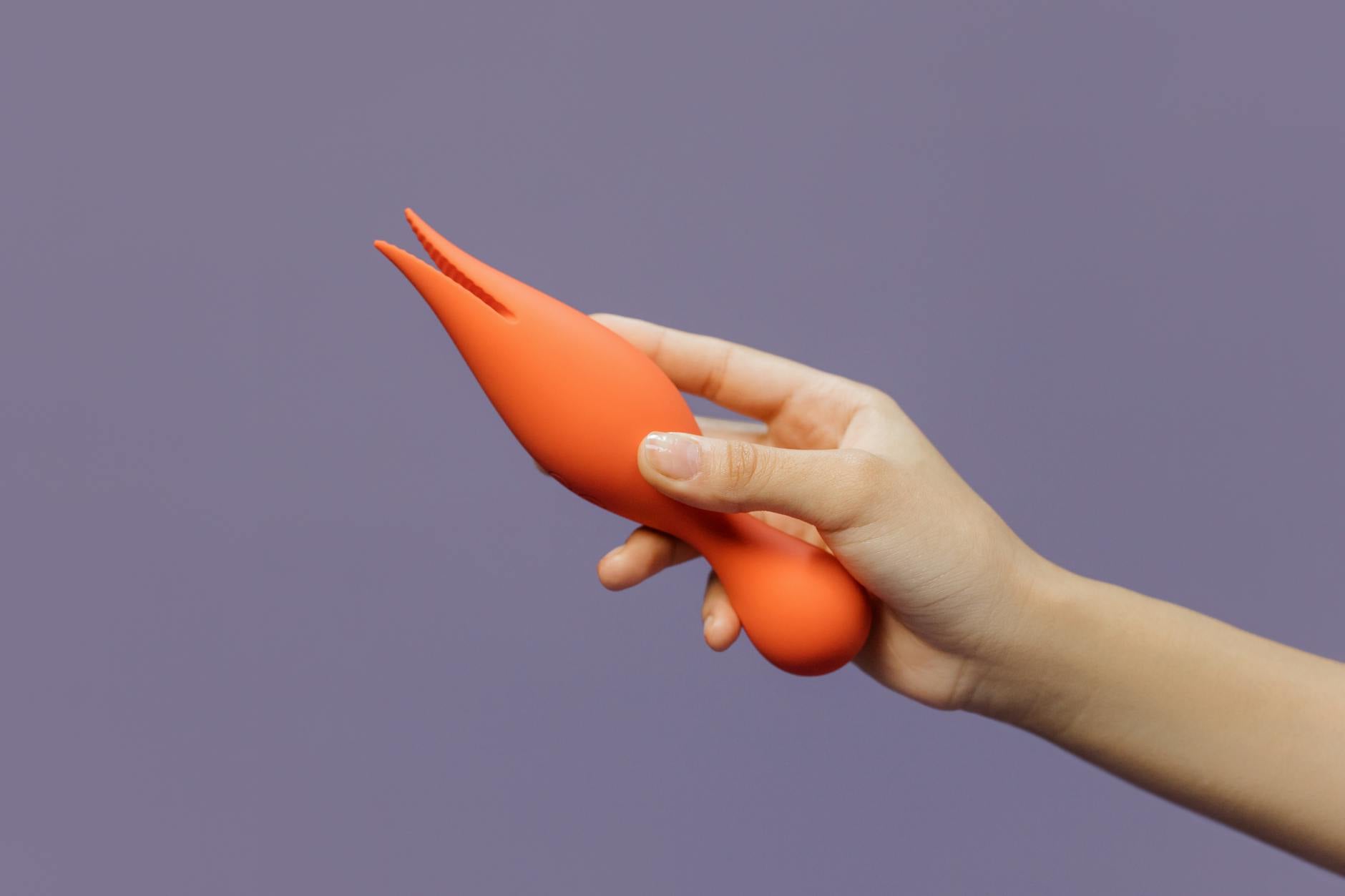
This is where a lemon vibrator, or any clitoral vibrator, becomes genuinely useful. Unlike partnered sex, a lemon sucker gives you control over speed, intensity, and timing. There's no performance pressure, no one waiting for you to respond a certain way. It's just you, your body, and a device designed to feel good.
Starting slowly when you're reconnecting
If you haven't used adult toys before, or if it's been years, here's what I recommend:
First week: Get familiar with the toy itself. Hold it, charge it, learn the buttons. Use it on the lowest pattern, probably at your inner wrist or arm, just to know what the sensation feels like. No agenda. This is just information gathering.
Second week: Try it on your outer labia at the lowest setting. Still no pressure to feel anything. You're checking in with your body, not chasing an orgasm.
Third week onwards: Move to your clitoris when you're ready. Start at pattern 1 or 2. Let your body tell you when to increase intensity. This might take days or weeks. That's exactly right.
What makes a lemon clitoral vibrator work for this specifically
The suction mechanism of tools like the Lem is gentler on numb or overly sensitive tissue than traditional vibration. Instead of a buzzing sensation, you get rhythmic waves that wake up nerves without overwhelming them. It's like the difference between someone shaking your shoulder versus giving you a deep massage. The pressure is more sustained, which helps your nervous system recognize the signal as "safe" rather than "alert alert."
The yellow lemon vibrators from Hellanancy's Lemons are small, which means less intimidation factor. They're also quiet, which removes the psychological stress of noise if you're still feeling vulnerable or self-conscious about pleasure.
The emotional piece is as important as the physical
When you're using a lemon vibrator or any adult toy to reconnect after depression, you're not just teaching your clitoris how to feel again. You're also telling your brain that pleasure is allowed. That your body matters. That you're worth the ten minutes it takes to feel good.
If guilt shows up, that's worth examining. Guilt often tags along with depression recovery. It whispers that you should feel grateful just to be alive, that wanting pleasure is greedy. That's the depression talking, not truth. Your nervous system actually needs small doses of pleasure to finish healing. It's not optional. It's not frivolous.
If you have a partner, this is worth one honest conversation, not as a confession but as information: "My body is starting to wake up again. I'm going to spend some time relearning what feels good, probably solo. That has nothing to do with you and everything to do with me getting better." Most partners understand. Some need reassurance that it's not a reflection on attraction or the relationship. That's fair to give them.
When to go slower than you think
If you notice any of these, dial it back:
Tightness or tension in your pelvic floor. Depression and trauma live in the body, and sometimes your muscles clench even when your mind is ready. Breathing helps. Stopping helps more.
Disassociation, where you're watching yourself instead of being in your body. That's your nervous system checking out. Time to pause. This is not a failure. This is your system saying it needs more recovery time.
Physical pain beyond new sensation. Your tissues are fine. The suction isn't harsh. If something hurts, something is wrong. Listen to that.
Numbing again. Sometimes using a toy when you're still deep in depression can feel like just another thing your body won't do right. If that's happening, the vibrator isn't the problem. Your nervous system probably needs more support, maybe a therapy session or a medication adjustment, before solo pleasure makes sense.
The moment when you know you're actually back
It's not when you orgasm. It's not when you want sex with a partner again. It's usually smaller. It's the moment you reach for the vibrator because you want to, not because you think you should. It's being in the middle of something and thinking "this actually feels good." It's laughing at yourself during it. It's realizing you forgot to perform and just started enjoying.
That moment usually comes quietly. You won't have to announce it or prove it. Your body will know.
Bringing a partner back in, when you're ready
If you have a partner and eventually want to share pleasure again, how to use a lemon vibrator with a partner who's never used toys before covers the introduction piece. But first, you get to have this time with just yourself. You get to remember what your body likes without an audience. That's not selfish. That's essential.
Some people also find that a lemon vibrator helps when you feel disconnected during partnered sex, because it gives your body a way to catch up with your mind if arousal is still slower than it used to be.
Managing expectations as you come back online
Your orgasms might feel different. Slower to arrive, less intense, more focused in one area. That's normal after depression. Your nervous system is recalibrating. Give it three to six months of regular solo pleasure before you decide anything has permanently changed.
Some people also find that they're actually more sensitive now, or that patterns they like have shifted. Depression can be a reset button. What felt good before might not feel good now. That's information, not loss.
The lemon vibrators or any clitoral vibrator gives you permission to explore without shame. There's no wrong answer here. There's just your body, what it's telling you, and a tool that makes it easier to listen.
When depression tries to come back
Pleasure is actually a sign of nervous system healing. If you notice yourself losing interest in the vibrator, or in pleasure generally, that might be a signal that depression is creeping back. Talk to your therapist or doctor. Pleasure returning and then disappearing isn't failure. It's your body asking for more support.
The point isn't to become obsessed with solo sex. The point is to have one small corner of your life where you get to feel good, where you're in control, where there's no pressure. A lemon vibrator can be that corner. Use it when you want. Don't when you don't. Your body gets to decide. That's the whole point.