Let's talk about the numb feeling nobody mentions
You use a vibrator, it feels amazing for a minute, then somewhere around minute three the stimulation goes flat. Your clitoris stops responding. You crank up the intensity, hoping that'll help, and instead you just feel sore after. Welcome to overstimulation. It's not a sign you're numb or broken. It's a sign that constant, direct, high-intensity vibration exhausts nerve endings faster than they can keep firing.
Here's the thing nobody explains clearly: overstimulation and desensitization are not the same as low sensitivity. They're the opposite problem wearing the same mask.
The science of clitoral sensation (the short version)
Your clitoris has about 8,000 nerve endings packed into a space smaller than a pea. When vibration hits those nerves, they fire rapidly. But nerve firing is not infinite. After about 90 seconds of constant, direct stimulation at high intensity, those nerve endings start to fatigue. They still have capacity, but the signal weakens.
What most people do then is increase intensity even more, thinking that'll bring sensation back. What actually happens is you're flooding already-fatigued nerves with more stimulus. You're not building sensation. You're building numbness.
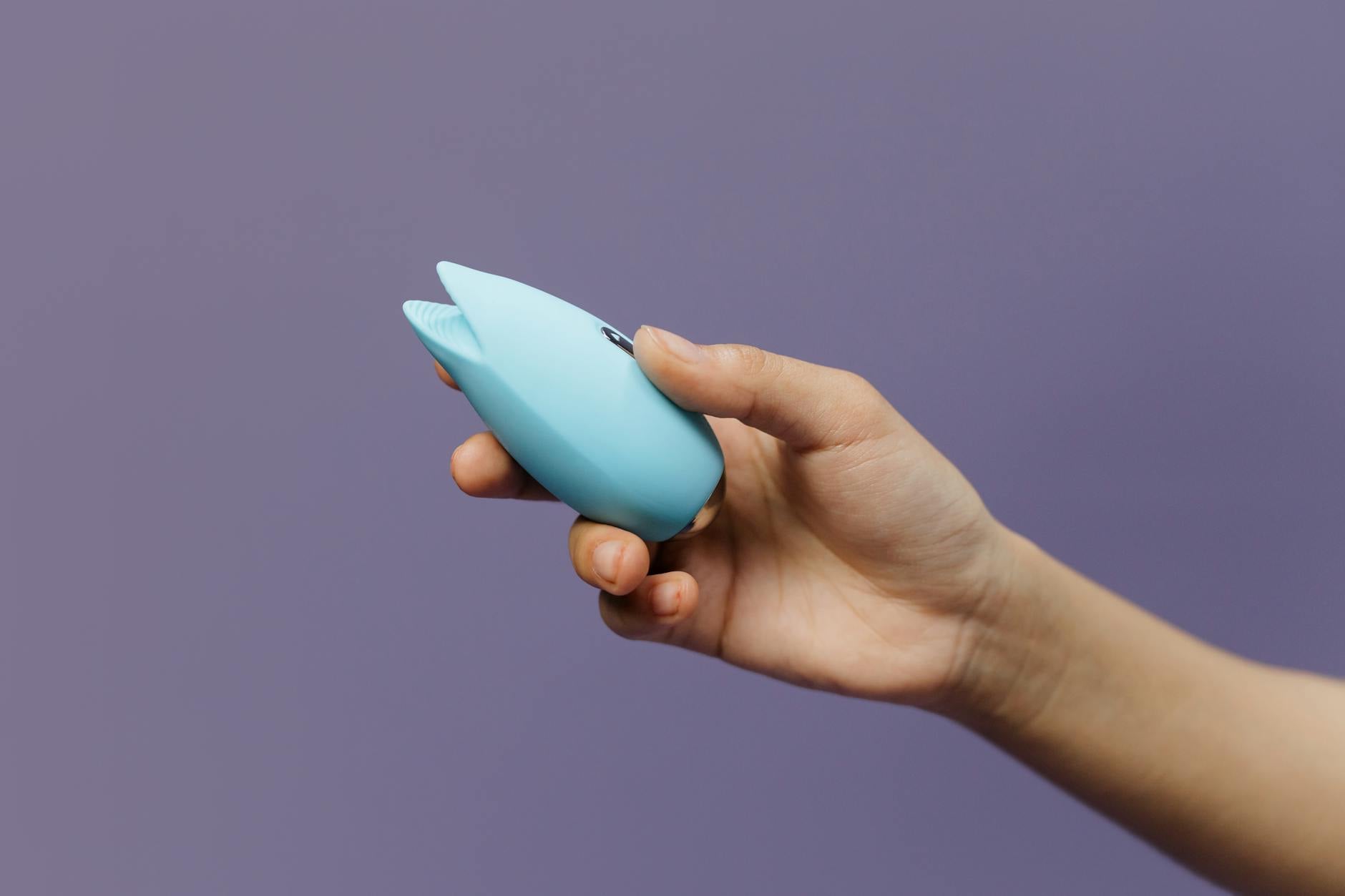
Lemon vibrators, especially models like the Lem with adjustable suction patterns, work differently. Instead of hammering the same spot with the same vibration over and over, suction-based stimulation creates rhythm and variation. The on-and-off pulse gives your nerve endings micro-breaks. That changes everything.
Why pattern matters more than power
I've worked with hundreds of people who thought they had low sensitivity, only to discover that what they actually had was a mismatch between stimulation intensity and their actual threshold. The fix was never "go higher." It was "go smarter."
A lemon clitoral vibrator with multiple patterns (the Lem has eight) gives you something a single-speed bullet can't: variation. Your nerves adapt faster to predictability. Predictable stimulation = faster fatigue. Varied stimulation = sustained sensation.
Start at pattern 1 or 2. These are usually short pulses with longer breaks between them. Spend 3-5 minutes here. Notice what your clitoris is actually doing. Is the sensation building? Staying steady? Getting weaker? That data matters more than speed.
Then try pattern 3. Slightly different rhythm. Your nerve endings perk up because the stimulus is new. This is not a gimmick. This is how human neural response actually works.
The pressure problem (and why suction solves it)
Direct vibration requires firm, consistent pressure to work. If you're holding a vibrator against your body, you're contracting muscles to maintain contact. That muscular tension spreads across your pelvic floor and eventually exhausts itself. Tension plus vibration plus time equals fatigue.
Suction-based lemon vibrators create a seal that does the pressure work for you. Once you're positioned, you don't have to grip anything. Your muscles relax. Your nerve endings aren't fighting background tension. The stimulation lands cleaner.
This also means you can use lemon vibrators longer without the jaw-clenching, leg-shaking exhaustion that comes from holding a traditional vibrator in place.
Building sensation depth: the actual strategy
Here's the progression I recommend to avoid overstimulation while building real sensation capacity.
Session one: Find your baseline. Use pattern 1 for 2-3 minutes. Note how it feels. Is there a clear sensation arc (building, plateauing, fading)? Stop before you feel numb. The goal here is information, not orgasm.
Session two: Add time, not intensity. Same pattern. Extend to 5 minutes. You'll probably notice that by minute 4, sensation starts dropping. That's your current fatigue threshold. Mark it.
Session three: Introduce variation. Use pattern 1 for 3 minutes, then switch to pattern 2 for 2 minutes. That pattern switch resets your nerve fatigue. You should feel sensation pop back. This is your clitoris telling you it's responding to novelty.
Sessions four and beyond: Build your personal map. You now know that your baseline threshold is around minute 4 on a single pattern. You know that switching patterns refreshes sensation. You can stay engaged for longer sessions (15-20 minutes total) because you're rotating patterns instead of grinding the same one.
The lubrication piece (yes, it matters)
Direct friction vibrators often work better dry because friction creates more grip. Suction-based lemon vibrators work better with a thin layer of water-based lubricant. This might sound counterintuitive, but it matters for sensation depth.
With a little lube, the seal is tighter, the suction is more consistent, and you need less pressure to maintain contact. Less pressure means less muscular tension. Less tension means your nerve endings stay fresher longer. It's a small detail that compounds.
Use just enough to create a smooth glide. Too much and the seal breaks and you lose suction. A dime-sized amount is usually right.
When to take a break (and what that actually means)
If you hit that numb, worn-out feeling mid-session, you've probably crossed your threshold. Here's what I tell people: stop, wait 10-15 minutes, then try again at a lower pattern.
Your nerve endings are not broken. They're just temporarily fatigued. Ten minutes of rest genuinely restores capacity. You can then use a different pattern and often find sensation comes right back.
This is why having options in a lemon vibrator matters more than raw power. Eight patterns mean eight chances to reset your nerve response. One pattern on a basic vibrator means you're done when you hit fatigue.
Partner play and overstimulation
If you're using a lemon vibrator with a partner, this matters even more. Partners can't feel what you're feeling. They can't know you've crossed into overstimulation until you tell them. Communicate before you're numb.
Set a pattern. Tell your partner when you're going to switch. Make the switches part of the rhythm instead of stopping and saying "I'm numb." The language changes the vibe. "I want to try pattern 3 now" is collaborative. "I'm numb and need a break" sounds like something's wrong.
Real sensation vs. forced intensity
One final piece: overstimulation often masquerades as low sensation because the two create similar end states (numbness). But they have opposite fixes. If you have low sensitivity, you might genuinely need more intensity or longer warm-up time. If you have overstimulation, more intensity will backfire.
The test is simple. Use a lemon vibrator at pattern 1 for 2 minutes, take a 15-minute break, then use it again. If sensation feels stronger the second time, you were dealing with overstimulation. If it feels the same both times, you might actually have lower baseline sensitivity.
Most people, honestly, are dealing with overstimulation disguised as low sensitivity. A lemon clitoral vibrator with smart pattern variation gives you the tool to prove it.
FAQs: Deeper sensation without overstimulation
How long should I wait between using a lemon vibrator if I'm experiencing overstimulation?
If you hit that numb feeling during a session, a 10-15 minute break usually restores sensation enough to continue with a different pattern. Between full sessions, you don't need to wait days. Your clitoris recovers quickly. Daily use is fine as long as you're rotating patterns and not grinding the same one.
Can I use a lemon vibrator on a higher pattern if I'm not feeling sensation?
Not immediately. Higher patterns often trigger overstimulation faster because they're less variable. If lower patterns aren't working, try adding warm-up time first. Spend 5-10 minutes with manual stimulation or a partner before introducing the vibrator. Arousal literally changes nerve sensitivity. You might find that pattern 2 feels completely different after genuine warm-up versus going straight to the toy.
Does switching between lemon vibrators help with overstimulation?
Switching between different toys can help, but it's honestly less efficient than switching patterns on a single toy. The Lem and other lemon vibrators with multiple patterns are designed specifically to give your nerve endings novelty without making you stop and grab something else. That pause breaks flow. Pattern switching maintains momentum while resetting fatigue.
Is numbness after using a lemon vibrator permanent?
No. It's temporary nerve fatigue. It usually resolves within 20-30 minutes. If you're experiencing persistent numbness that doesn't clear after several hours, that's worth checking with a gynecologist, but it's not caused by the toy itself. It's usually caused by using the same pattern at high intensity for too long. The fix is exactly what we've covered: rotate patterns, add rest periods, dial back intensity.
Can I build up tolerance to lemon vibrators over time?
You can build up adaptation, which is different from tolerance. If you use the same pattern at the same intensity every single time, your nerve endings get efficient at ignoring it. Novelty resets that. Using different patterns, varying your session length, taking breaks between sessions, and mixing toy types all prevent that flattening. This is why people who get bored with vibrators often just need more variation, not a more intense toy.
What's the difference between deeper sensation and more intense sensation?
Intense is surface-level and exhausting. It's high power, usually localized, usually gets numb fast. Deeper is more complex, more nuanced, lasts longer. It comes from varied stimulation at moderate intensity over time, with breaks that let nerve endings reset. A lemon vibrator's suction patterns create depth. A basic bullet creates intensity. Different tools, different results.
The bottom line
That numb, overstimulated feeling isn't a ceiling on your capacity. It's feedback that you've hit the fatigue point of your current approach. A lemon clitoral vibrator with multiple patterns gives you a way to push past that point without pushing harder. Pattern variation, suction-based pressure, and strategic rest breaks rebuild sensation depth in a way that actually lasts. Start low, rotate patterns, and pay attention to what your body is actually telling you. Everything else follows.