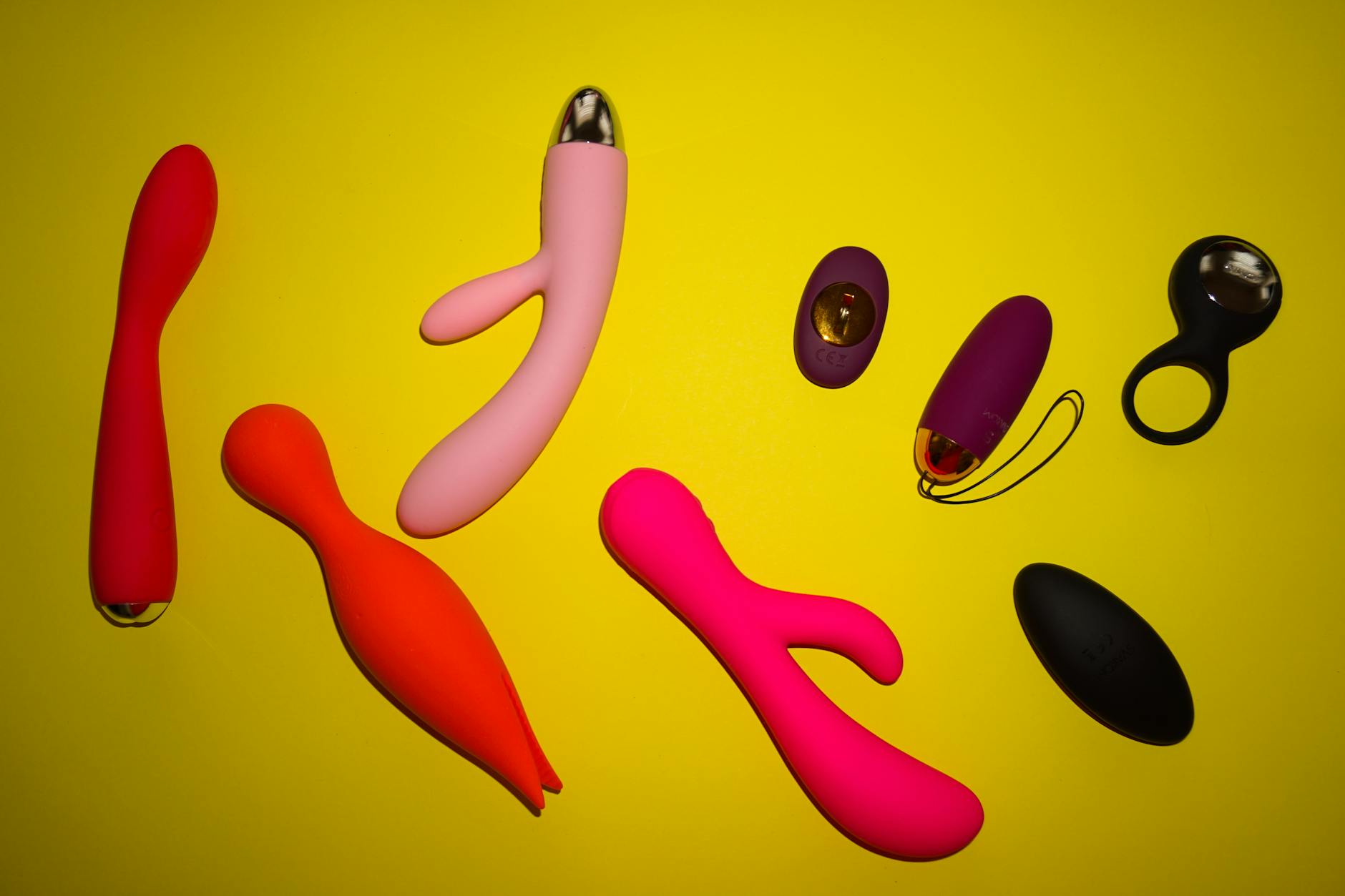
Here's the thing about hormonal changes and sensation
Your clitoris doesn't stop working when hormones shift. But the way it responds to touch absolutely changes. Estrogen levels drop. Testosterone drops. The delicate tissue thins slightly. Blood flow patterns shift. The nerve endings are all still there. Your capacity for pleasure hasn't disappeared. What has disappeared is the responsive "snap" you might have felt before. Touch that used to feel electric now feels like background noise.
This is wildly normal. It's also wildly fixable.
Why friction-based toys stop working first
Traditional vibrators rely on direct vibration or friction against sensitive tissue. When your clitoris is highly responsive, this works beautifully. But when hormonal changes have reduced sensitivity, that same friction can feel either too rough or completely numb. You end up chasing sensation that doesn't quite arrive, which tanks your confidence and makes you wonder if pleasure is actually behind you now.
Here's what research tells us: air-suction toys work differently. Instead of vibrating against tissue, they create rhythmic suction that stimulates the entire clitoral complex, including the internal bulbs. This approach doesn't depend on surface sensitivity the way friction does. You feel the effect deeper, more diffusely, and with less direct pressure required.
That's why so many people find that lemon vibrators work when standard vibrators have stopped landing. The Lem isn't just a different brand. It's a fundamentally different mechanism at play.
The three reasons sensation feels dulled
Estrogen thinning the tissue. Lower estrogen means the clitoral skin and the surrounding vulval tissue become thinner. This isn't damage. It's just how the body changes. Thinner tissue is more sensitive to direct pressure, which can feel irritating instead of pleasurable. Suction-based tools like a lemon clitoral vibrator sidestep this by working at a deeper level.
Blood flow patterns shifting. Arousal depends partly on blood engorging the clitoral tissue. When hormones drop, blood flow to the clitoris becomes slower and less dramatic. This means the natural "filling out" that happens during arousal takes longer. Your clitoris gets less plump, less engorged. Sensation feels muted because the tissue literally has less blood in it. This is exactly why warm-up time matters so much now. You're waiting for blood flow to catch up.
Nerve signaling losing speed. Hormones influence how quickly your nervous system fires. Lower hormones can mean slower transmission of pleasure signals to your brain. Again, this isn't permanent. It's a timing issue. A lemon vibrator's consistent pulsing can help because it creates a rhythm your nervous system can "meet," building sensation over time rather than expecting an instant response.
Why the Lem vibrator works when sensitivity has dropped
The lemon sucker design uses air-pulse technology. You place it over your clitoris, and it creates a sealed cup with gentle rhythmic suction. This works on several levels that straight vibration doesn't.
First, it stimulates the whole clitoral structure, not just the external surface. Your clitoris isn't just the visible bud. It extends internally, with two bulbs and a complex network of nerves. Suction reaches deeper tissue without requiring your outer tissue to be super responsive.
Second, suction creates a different kind of sensation. It's less about vibration frequency and more about pressure and release. This is something your nervous system can register even when surface sensitivity is low. Many people describe it as feeling more "rounded" and less "sharp" than traditional vibration.
Third, the lemon vibrator's sealed design means you're not fighting friction. When sensitivity is compromised, friction often feels like the toy is going numb or like your body has gone numb. Suction sidesteps that entirely.
The warm-up protocol that actually works
Here's what I recommend to every person navigating reduced sensation:
Start with 15 minutes of non-clitoral touch. Massage your breasts, your thighs, your vulva around the clitoris. Don't touch the clitoris itself. You're building arousal and blood flow. Yes, this takes time. That's the point. Your body needs time to respond now.
Then introduce the lemon vibrator at the lowest setting. Place it over your clitoris but don't press hard. Let it sit. Give it 2-3 minutes at level one. You might not feel much. That's fine. You're priming the tissue.
After 2-3 minutes, move to level two. Most lemon vibrators have 5-10 intensity levels. Don't skip to level five because you're impatient. Stay at each level for 2-3 minutes. You're letting your nervous system build the sensation gradually rather than shocking it into numbness.
Use this pattern: two minutes at level two, two minutes at level three, then decide. Often sensation arrives around level three or four. It sneaks up. If you jump straight to level eight, you'll either numb out or feel frustrated that nothing's happening.
Combine with pelvic floor awareness. As sensation builds, gently tense and release your pelvic floor in rhythm with the vibrator. This creates a feedback loop that amplifies sensation. Clench for two pulses, release for two pulses. It sounds tedious. It's not. It's actually the thing that makes the difference between "I feel nothing" and "oh, that's there."
Lubrication matters more than you think
When sensitivity is already compromised, the last thing you need is friction. Water-based lubricant isn't a sign of failure. It's a tool. Use it generously around your clitoris and where the lemon vibrator sits.
Lubricant serves three purposes here. It reduces friction (protecting delicate tissue). It creates a better seal for suction (meaning the vibrator works more effectively). It also psychologically signals to your brain that you're building arousal. That mental component matters.
Reapply lube halfway through if things are drying. Your body's natural lubrication might be lower too, which is another hormonal shift. Compensate for it rather than fighting it.
When to expect sensation to return
This varies wildly, but here's the realistic timeline: most people notice a shift within 2-4 weeks of consistent use (3-4 times weekly). The first change is usually that sensation feels less "urgent" but more sustainable. You're not chasing a big feeling that never arrives. You're noticing smaller, more grounded sensations that build and build.
By week 6-8, most people report that sensation feels closer to what they knew before. Not identical, but satisfying and clearly present. By week 12, many describe it as even better than before because the slower burn feels more controllable and extended.
This isn't linear. Some days sensitivity is better, some days less so. Stress, sleep, hormones (if you're still cycling slightly), and relationship dynamics all play a role.
The emotional piece that actually matters
Here's where my work as a relationship coach comes in. Reduced sensation after hormonal shifts often triggers a grief response. You're grieving the way pleasure used to feel. You're worried it won't come back. You might feel defective or like your body is betraying you.
That emotional component directly impacts your ability to experience pleasure. If you're approaching your lemon vibrator with dread or doubt, your nervous system reads that as a threat and shuts down even more. If you're approaching it with curiosity and patience, your nervous system can relax and actually build sensation.
This is why so many people find that how to use a lemon vibrator when pleasure feels rushed or pressured resonates with them. The mechanism is the same. The pressure to feel something right now is what kills sensation. Removing that pressure is often the first thing that shifts.
When to layer in more intensity
Once you're getting consistent sensation at levels three or four, you have options. Some people find that staying at moderate intensity is perfect. Others want to explore higher patterns.
The lemon vibrator comes with multiple intensity patterns beyond just "stronger" or "weaker." These patterns offer rhythm changes. Pulsing, waves, steady. Some people find that switching patterns mid-session keeps the sensation fresh because your nervous system isn't adapting to the same rhythm.
If you want to explore stronger sensation over time, be intentional about it. Gradually shift upward. Give your body time to respond at each new level. Don't go searching for numbness in the name of progress.
Common mistakes that backfire
Going too hard too fast. Your nervous system needs time. Jumping to level eight because level four didn't work is the classic mistake. Give each level a real chance.
Using insufficient lubrication. Dry suction on compromised tissue feels rough, not good. Use more lube than feels necessary.
Not building arousal beforehand. A cold clitoris won't respond well. Those 15 minutes of non-genital touch aren't wasted time. They're foundational.
Assuming one setting is your answer forever. Your body changes week to week. What worked last month might need adjustment. Stay flexible.
Comparing your timeline to someone else's. Someone else's body might respond in two weeks. Yours might take eight. Both are completely normal.
FAQ: Sensation, hormones, and lemon vibrators
Can hormonal changes permanently reduce clitoral sensation?
No. Sensation might feel different at different life stages, but permanent loss isn't the outcome. What changes is how the tissue responds to stimulation. That's addressable. The clitoral nerves don't die. They're just working with less hormonal support. Add time, the right tool, and patient exploration, and sensation returns in forms that often feel really good.
Why does air-suction work better than vibration when sensitivity is low?
Air-suction stimulates the entire clitoral structure, not just the external surface. When surface sensitivity is compromised, suction reaches deeper tissue more effectively. It also creates a different sensory experience that your nervous system can register even when direct touch feels numb. Friction-based vibrators depend heavily on surface sensitivity, so they often struggle when hormones have changed that.
How long should I use a lemon vibrator before I know if it's working?
Give yourself at least 4 weeks of consistent use (3-4 times weekly) before deciding. The first two weeks are often about learning the tool and building arousal patterns. Weeks three and four are when most people notice real sensation shifts. If nothing has shifted by week six, explore other lemon clitoral vibrator patterns or settings. Sometimes it's not the tool; it's the pattern or intensity level.
Should I use the lemon vibrator differently than I would have before my hormones changed?
Yes, significantly. Before, you might have jumped to higher intensity. Now, you're building gradually. Before, you might have used less lubricant. Now, you're using more. Before, warm-up might have been two minutes. Now, it's 15. The tool is the same. The protocol is adapted to your body's current needs.
What if sensation returns but feels different than before?
That's not a problem; that's normal. Post-hormonal-shift sensation often feels more dispersed, less sharp, and more sustained. Many people actually prefer it because it's less about chasing one intense peak and more about a whole-body experience. Different doesn't mean worse. It often means better in ways you won't anticipate.
Can I combine a lemon vibrator with a partner for better sensation?
Absolutely. In fact, partner exploration can accelerate sensation return because arousal builds faster with two people. The key is communication. Tell your partner exactly what you're exploring. Use the lemon vibrator together. Let them hold it while you guide the intensity. This also builds intimacy around the process, which removes shame and pressure that often block pleasure.
The bottom line
Hormonal changes shift sensation, but they don't end it. A lemon vibrator's suction-based design works specifically well when traditional vibration has stopped landing. The combination of patience, gradual intensity building, adequate lubrication, and solid warm-up time creates the environment where sensation returns. Most people see real shifts within 4-8 weeks. Your timeline might differ, and that's completely fine. The point is to stop white-knuckling and start exploring methodically. Your pleasure is still there. You're just speaking a slightly different language now, and a lemon vibrator is fluent in it.
Ready to explore this properly? Let's talk through your specific situation. Reach out to our team if you want guidance on technique, pacing, or what to expect.