Here's what nobody tells you about pleasure after pelvic surgery
Let's be real. Your surgeon explained what they removed or repaired. They probably talked about activity restrictions, scar tissue, and when you can go back to the gym. What they almost never talk about is pleasure, sensation, and how your body is going to respond to touch when things have healed.
That silence isn't because it doesn't matter. It's because most medical training doesn't teach pleasure recovery the way it teaches infection prevention. But it matters. A lot.
What pelvic surgery actually changes
Pelvic surgery includes a range of procedures: hysterectomy, oophorectomy, cystocele repair, rectocele repair, endometriosis excision, fibroid removal, and others. The specifics vary, but the common thread is that tissue has been altered, cut, or repositioned. Nerves in that area have been disrupted or compressed during the healing process.
Here's what happens physiologically:
Immediate post-op (0-4 weeks): Swelling, numbness, and pain dominate. The body is focused on wound healing, not sensation. Pleasure isn't on the menu.
Early recovery (4-12 weeks): Swelling decreases, but scar tissue forms. Some areas become hypersensitive. Others feel completely numb. This inconsistency is normal and temporary.
Mid-recovery (12 weeks to 12 months): Sensation gradually returns. Scar tissue remodels. Nerve endings wake back up. This is where the real rebuilding happens.
The key thing your doctor probably didn't emphasize: sensation recovery isn't linear. You'll have good days and setback days. That's not failure. That's healing.
Why the timeline matters (and why you shouldn't rush it)
I see people constantly trying to have sex or use vibrators weeks after surgery because they read "cleared for sexual activity after six weeks." That's a trap.
Cleared for penetration and cleared for pleasure are different conversations. Six weeks means your incision is probably sealed and infection risk is low. It does not mean your nervous system has relearned sensation, your scar tissue has stopped forming, or your body is ready to feel good.
The nervous system needs time to reorganize after surgery. Nerves that were stretched, severed, or compressed during the procedure go through their own healing process. This often takes 3 to 6 months, sometimes longer. Starting pleasure work too early can actually delay this process because you're flooding a recovering nervous system with stimulation it isn't ready to process.
Honestly? Wait at least 8-12 weeks before introducing any vibration. This gives scar tissue time to stabilize and sensation time to begin returning naturally. If your surgeon gave you a different timeline, trust their specific medical guidance. But if they just said "six weeks, you're good," it's worth asking what they actually meant.
Why lemon vibrators work for post-surgery recovery
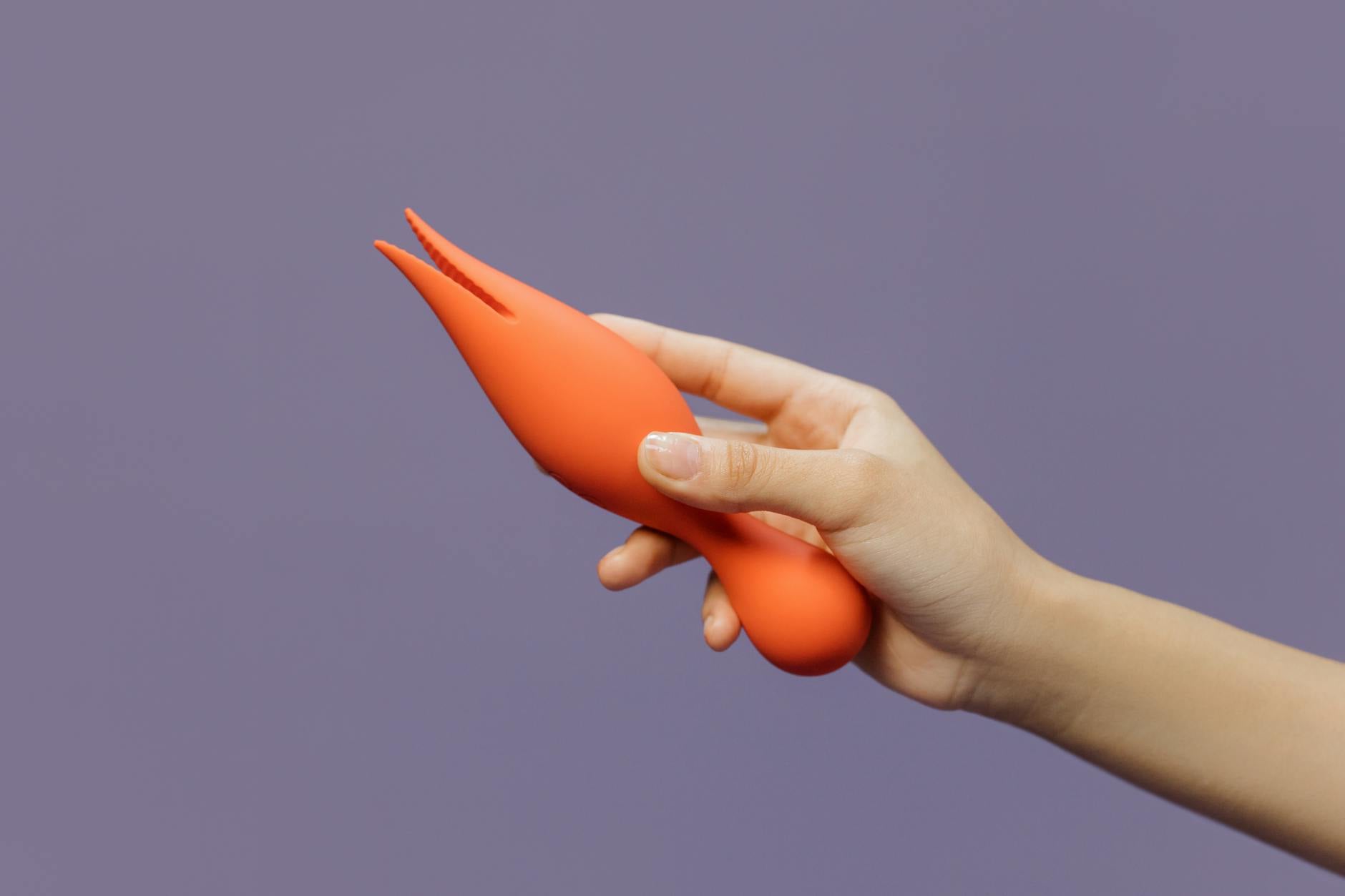
Once you're ready, a lemon clitoral vibrator like the Lem is different from penetrative toys or traditional wand vibrators for a specific reason: it uses suction and pulsing instead of direct friction.
Direct friction can be triggering on healing tissue. It can activate scar tissue sensitivity, and for people with nerve pain or hypersensitivity post-op, it can feel raw or burning instead of pleasurable.
Suction-based stimulation spreads the pressure across a larger area. This means less concentrated friction on any single point of tissue. For a clitoris that's been through surgical disruption, that difference is huge. You're getting stimulation without the mechanical intensity that can tip from pleasure into discomfort.
Also, the lemon vibrator has a range of intensities. Start at pattern 1 or 2. You're not trying to chase an orgasm. You're trying to reintroduce your nervous system to pleasure signals in a way that feels safe and restorative.
The first time you're ready to try
You've waited long enough. You've gotten the green light from your surgeon. Your scar is no longer tender to the touch. Now what.
First: get clean and relaxed. Shower, use the bathroom, take your time. A tense pelvic floor will make everything harder.
Second: use water-based lubricant. Full stop. Post-op tissue is often drier than pre-op tissue, and lubrication makes the entire experience more comfortable. Your clitoris doesn't need lubrication the way a vagina does, but it definitely benefits from it.
Third: start on the lowest setting. Not on your clitoris yet. Spend a few minutes on your outer labia, your upper inner thighs, your mons pubis. Let your nervous system remember what pleasurable sensation feels like in that region before you bring any direct stimulation to the clitoris itself.
Fourth: when you do move to your clitoris, use light contact. Hover slightly rather than pressing down. The Lem's suction technology means you don't need pressure. The sensation works best with gentle positioning.
Fifth: if anything feels wrong, stop. Not in a panicked way. Just stop, breathe, and check in. Wrong might be sharp pain (different from healing soreness), numbness that doesn't respond, or sensation that feels burned out. Give yourself a few days and try again.
Managing scar tissue and hypersensitivity
Scar tissue is part of recovery, but it can create unexpected sensations. Some people experience hypersensitivity where the scar is. Others feel numb. Both are normal.
If hypersensitivity is the issue, start further away from the scar area and work toward it gradually. Your nervous system will desensitize with gentle, repeated exposure. A lemon clitoral vibrator is great for this because you can control intensity and because the suction-based stimulation is inherently gentler than direct vibration.
If numbness is the issue, be patient. Nerve regeneration takes time. Gentle stimulation actually helps rewire those connections. Use the Lem on a low setting, even if you feel almost nothing. You're not chasing sensation. You're helping your nervous system rebuild its pathways.
Many people report that numbness starts to shift around the 4 to 6-month mark. By 12 months, most people experience near-normal sensation. But that timeline varies wildly depending on the surgery and the individual.
When to loop in a healthcare provider
If pain intensifies after months of recovery, if you develop burning sensations that don't improve with time, or if numbness persists past 12 months with no improvement, talk to your surgeon or a pelvic floor physical therapist. These might be signs of scar tissue adhesions or nerve entrapment, and they're treatable.
Pelvic floor physical therapy is honestly one of the best investments post-surgery. A therapist can help you understand which muscles are tight, teach you how to relax them, and guide you through pleasure recovery in a structured way. Many insurance plans cover it if your surgeon refers you.
Also, if you have a partner, consider some explicit conversations about what's changed. After surgery, your body is genuinely different. Not worse, not broken, but different. Your partner deserves to know that pleasure might look different for a while, that you'll need gentleness and patience, and that your needs might shift month to month as you recover.
Building back to normal (and sometimes finding something better)
Recovery from pelvic surgery is not a straight line back to "how things were." Sometimes pleasure comes back exactly the same. Sometimes it's different in ways that are actually better. Sometimes it takes time to figure out what your new normal looks like.
What I've seen clinically is that people who use gentle tools like lemon vibrators during recovery, who don't rush the process, and who give their nervous system time to reorganize often report deeper, more integrated pleasure once they're fully healed. Not because the surgery was good. Because they weren't racing through recovery. They were actually paying attention.
Use this time to learn what you need. Start slow with how to use a lemon vibrator when touch feels overwhelming or too intense if your sensitivity is high. Explore pleasure without irritation or rawness if your tissue is tender. There's no rush.
FAQ: Pleasure and recovery after pelvic surgery
How long after surgery before pleasure feels normal again?
Most people report a return to baseline sensation and pleasure around 6 to 12 months post-op. Some notice improvement earlier. Some take longer. It depends on the type of surgery, the extent of tissue disruption, and individual nervous system healing. The clitoris often recovers sensation before the vagina does, which is why clitoral-focused tools like lemon vibrators can be a good first step.
Can I damage my healing tissue by using a lemon vibrator?
If you wait 8-12 weeks and start on the lowest setting, the risk is very low. The suction-based stimulation of a lemon clitoral vibrator is gentler than direct friction or penetration. That said, listen to your body. If something hurts in a sharp or burning way, stop. Healing soreness or mild discomfort can be part of the process, but pain that feels wrong is your nervous system saying not yet.
Will using a lemon vibrator help scar tissue remodel faster?
Gentle, consistent stimulation can support nerve regeneration and tissue remodeling, but it's not a magic fix. Pelvic floor physical therapy is more evidence-based for actually optimizing scar tissue remodeling. That said, using a lemon vibrator mindfully can be part of your overall recovery toolkit. It's gentle enough not to harm healing tissue and stimulating enough to help your nervous system remember sensation.
Should I tell my surgeon I want to rebuild pleasure?
Yes. Most surgeons are genuinely relieved when patients bring this up because it means you're thinking holistically about recovery. They may refer you to a pelvic floor physical therapist or a sex therapist who specializes in post-surgical recovery. If your surgeon acts uncomfortable or dismissive, that's a them problem, not a you problem.
What if numbness in my clitoris doesn't improve?
Give it time. Nerve regeneration is slow. If you're past the 12-month mark and numbness persists, ask your surgeon about whether scar tissue compression might be an issue. Also consider pelvic floor physical therapy. Sometimes what feels like numbness is actually hypersensitivity that shows up as numbness because the nervous system is overwhelmed. A trained therapist can help you figure out which is happening.
Can I use a lemon vibrator with my partner during recovery?
Absolutely. In fact, many couples find it helpful to introduce pleasure tools together during recovery because it takes pressure off both people. Your partner doesn't have to do anything complicated. You're rebuilding sensation with a tool you can control. But make sure you've had a conversation beforehand about what you need, what you don't, and what permission looks like for you.
Recovery from pelvic surgery is not the same as returning to normal. It's an opportunity to rebuild your relationship with pleasure in a way that honors what your body has been through. You don't have to rush it. And you're definitely not broken. You're just healing differently than you expected.