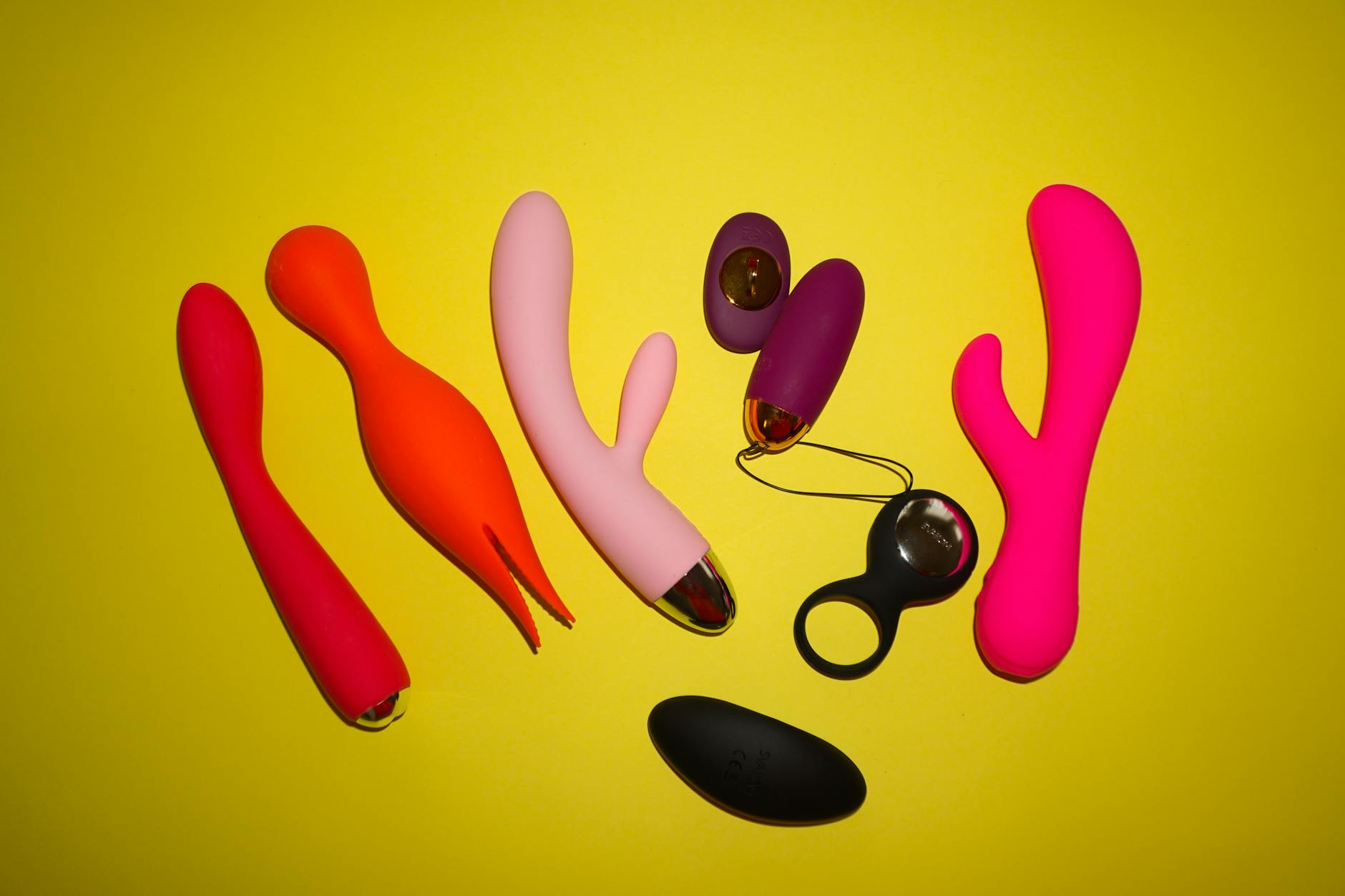
Let's talk about the pelvic floor after childbirth
Everybody talks about what happens during labor. Nobody talks about what happens after. Your pelvic floor muscles stretched during delivery, whether you had a vaginal birth or a cesarean. Even with a c-section, nine months of pregnancy weight on your pelvic floor changes things. The tissue feels sore, disconnected, even numb in places. Sensation isn't what it was before.
Here's what matters: this is temporary, but it's not something that gets better on its own. It needs gentle, intentional attention. That's where a lemon clitoral vibrator can help you rebuild connection to your body in a way that feels good, not clinical.
Why sensation feels so different postpartum
Your pelvic floor didn't just stretch. The nerves that feed sensation to your vulva and clitoris got compressed during pregnancy and potentially traumatized during delivery (even with the smoothest birth). Swelling and inflammation muffle nerve signals. Your hormones are in freefall. If you're breastfeeding, estrogen is especially low, which thins tissue and reduces natural lubrication.
On top of all that, you're probably exhausted, touched out by a baby, and the last thing on your mind is your own pleasure. The emotional disconnection mirrors the physical one. This isn't failure. This is completely normal postpartum.
What's not normal is staying disconnected indefinitely. Most of the people I work with assume pleasure is off the table for a year or more. It isn't. It just looks different right now, and it needs support.
The timeline: when it's safe to start
If you had a vaginal delivery without complications, most gynecologists clear you for penetrative sex around six weeks postpartum (after your bleeding has stopped and you've been cleared at your check-up). But clitoral stimulation? That can happen sooner, especially if there's no perineal tearing.
If you had a c-section, the six-week mark still applies, but the pressure inside your abdomen is different. Ask your doctor specifically about external clitoral stimulation before that mark, because many doctors assume you won't be interested and don't volunteer the information.
If you had significant tearing or a traumatic delivery, wait until you feel genuinely ready. Pain during any stimulation is a red flag. Work with a pelvic floor physical therapist before introducing vibration.
Once you're cleared, a lemon vibrator is gentler on recovering tissue than direct hand stimulation because it provides consistent, controlled sensation without the pressure and friction of fingers.
Why lemon clitoral vibrators work for postpartum recovery
A lemon sucker like the ones from Hellanancy's Lemons uses gentle air-pulse technology instead of direct vibration. This matters when your tissue is still sensitive and swollen. Air-pulse stimulation awakens nerve endings without aggressive friction. It's more like a massage than a buzz.
The suction mimics oral stimulation, which feels more natural and requires less active participation from you. That's crucial when you're running on three hours of sleep and your partner's trying to initiate intimacy while a baby might wake up at any moment. You don't need to think. You just need to receive.
Unlike a traditional vibrator that requires you to hold it steady or move it in patterns, a lemon vibrator stays put. You can lie back. You can focus on reconnecting to sensation without managing a device. That mental rest is part of the recovery.
How to start using a lemon vibrator postpartum
First week back: exploration mode. Don't aim for orgasm. Aim for sensation. Lie down when the baby is sleeping, take twenty minutes without your phone, and use the lowest setting on your lemon vibrator. You're teaching your nerve endings to wake up again, not chasing a finish line.
Check in with your pelvic floor as you go. Does the stimulation feel comfortable, or do you feel tightness? If you feel tension, stop. Your pelvic floor muscles are already working overtime (they've been supporting your uterus for nine months). Tension means the muscles are guarding, not relaxing.
Use plenty of water-based lubricant. Your tissue is thinner right now, whether you're breastfeeding or not. Lube prevents irritation and makes sensation more pleasant. Reapply halfway through. This isn't optional.
Warm up first. After delivery, your arousal response isn't automatic anymore. Spend 10-15 minutes on touch that feels good. A massage from your partner. Kissing. Dirty talk. Get blood flow going before introducing the lemon vibrator.
Integrating pelvic floor exercises with vibrator use
Here's something counterintuitive: kegel exercises (pelvic floor squeezes) are actually less useful in early postpartum than learning to relax your pelvic floor fully. If you're gripping your pelvic floor muscles out of tension or trauma, strengthening a tight muscle just makes the problem worse.
A better approach is to use your lemon vibrator to help you practice pelvic floor relaxation. While the vibrator is on the lowest setting, focus on letting your pelvic floor go soft. Notice where you're holding tension. Breathe into it. Soften. This teaches your nervous system that the area is safe again.
Once you can fully relax your pelvic floor (usually a few weeks in), you can layer in light kegel pulses while using the vibrator on a slightly higher setting. Contract, release, repeat. The vibration helps you feel the muscle working, which makes the exercise feel less abstract and more effective.
Rebuilding confidence with a partner
If you had sex that was painful, quick, or awkward postpartum, your brain now associates the area with discomfort, not pleasure. Rewiring that takes patience and usually works best when you're alone first.
Once you're comfortable using your lemon vibrator solo, you can invite your partner into the process. Let them watch. Let them use the vibrator on you. This reestablishes intimacy without the pressure of penetration or performance. Many couples find this stage actually strengthens their connection more than returning to their pre-baby routine would have.
If your partner has never used a vibrator before, this is low-stakes practice. A lemon clitoral vibrator is intuitive. There's no complex learning curve. They can focus on being present with you instead of figuring out a device.
Common postpartum snags and how to work around them
Your clitoris might feel hypersensitive at first. If direct stimulation feels overwhelming, use the vibrator over your underwear or through a thin cloth. The fabric diffuses the sensation. As your tissue recovers, you can gradually remove the barrier.
You might notice that orgasms feel muted or impossible for a while. That's normal. Your nervous system is recovering. Prolactin (the hormone that makes milk) suppresses sexual response in many people. If you're breastfeeding and orgasm feels too distant, that usually shifts once you wean or reduce feeding frequency. For now, focus on sensation, not outcome.
You also might feel guilty about taking time for pleasure when the baby needs you. That guilt is the biggest obstacle. Here's what I tell people in my practice: prioritizing your own physical recovery and sexual wellness makes you a better parent and partner. This isn't selfish. It's maintenance.
When to see a specialist
If pain during or after vibrator use persists beyond eight weeks postpartum, book an appointment with a pelvic floor physical therapist. They can identify whether you have tension, scar tissue, or nerve sensitivity that needs specific treatment.
If you're not experiencing any improvement in sensation or arousal by three months postpartum, talk to your gynecologist about your hormone levels, especially if you're breastfeeding. Low estrogen can sometimes warrant topical treatment.
If you're struggling emotionally about your body or sexual function after childbirth, that's worth working through with a therapist. Postpartum depression and postpartum anxiety both affect sexual response. You don't have to white-knuckle your way through this alone.
The long view
Postpartum recovery isn't linear. Some days your body will feel almost normal. Other days, exhaustion will make everything feel distant again. That's okay. You're not starting from zero every time you use your lemon vibrator. Each time, you're rebuilding neural pathways and retraining your nervous system to recognize pleasure as safe.
Your pelvic floor didn't break. It transformed. And with the right support, intention, and tools, it becomes even stronger than before.