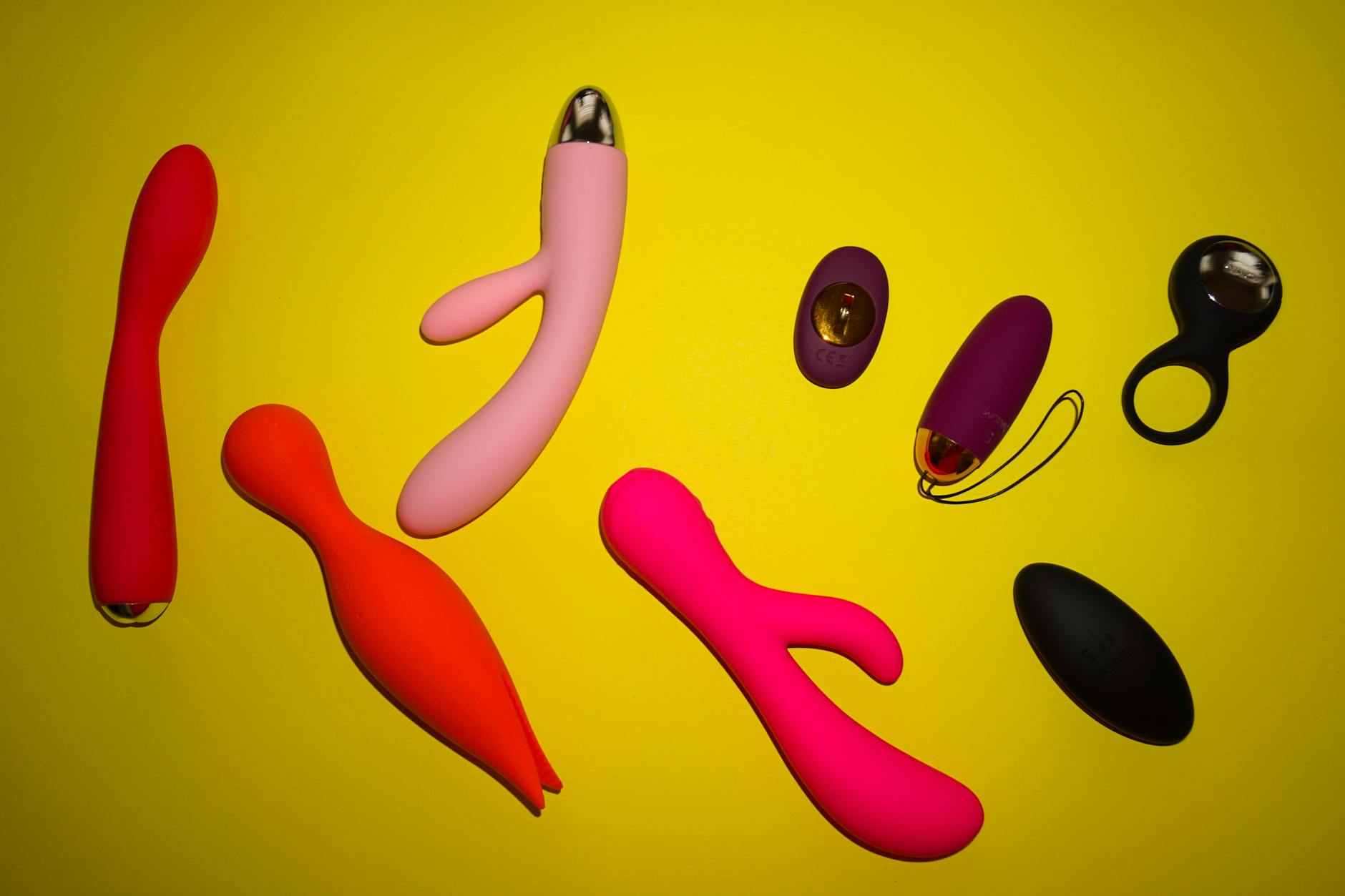
Here's what nobody tells you about libido
Low desire isn't a character flaw. It's not something you broke. And it almost never comes out of nowhere. Yet most people spend months or years treating it like a personal failure instead of a signal worth listening to.
I've worked with hundreds of couples where one person has lost interest in sex. The pattern is always the same. They blame themselves, their partner blames them back (or silently resents them), nothing changes, and the gap between them widens. Then something shifts. Usually it's permission to slow down, stop performing, and actually ask what's happening underneath.
That's where this conversation starts.
What actually kills libido (it's rarely just hormones)
Yes, hormones matter. But they're often the symptom, not the cause.
Here's what I see most often: low libido shows up when desire has been treated as a transaction instead of an experience. When sex has become another obligation, another thing to manage, another way to fail. When pleasure gets folded into "keeping your partner happy" instead of being something that matters to you.
Other culprits are less visible but equally common. Chronic stress taxes the nervous system. You can't relax into pleasure when your body is defending against threat. Depression flattens everything. Resentment in the relationship (even unspoken) creates a barrier that no amount of foreplay can cross. Burnout from parenting, work, or just life shrinks the space where desire can exist.
And yes, sometimes it's medication. SSRIs, birth control, blood pressure meds, and others can genuinely blunt arousal. That's not in your head. But it's also fixable. A conversation with your doctor about timing, dosage, or alternatives can unlock things instantly.
Why a lemon vibrator shifts the dynamic
Here's the thing about lemon clitoral vibrators and low libido: they don't create desire where none exists. But they do remove friction.
When libido is already compromised, the body needs less activation energy to reach arousal. A Lem vibrator works because it uses suction and pulse patterns that target the clitoris without requiring the kind of mental focus that traditional vibration demands. You don't have to think about positioning. You don't have to work at it. You can actually feel.
For people dealing with low desire, this matters. Pleasure that requires effort feels like another job. Pleasure that just happens feels like permission.
Many of my clients report that using a lemon vibrator alone, without any pressure to perform or deliver results, is the first time in months they've felt genuine sensation. Not obligatory sensation. Not "I should want this" sensation. Actual, surprising pleasure.
That's the entry point back in.
The pressure problem and how to sidestep it
One of the biggest saboteurs of low libido is the pressure to fix it. Your partner wants you to want them. You want to want them. So sex becomes a test you're failing, and failing at sex is somehow worse than not having it.
Break this pattern first, before you bring anything else into the picture.
If you're partnered, you need a conversation that isn't about sex. It's about desire itself. "I've lost interest in sex, and I know this is hard for you. I also know that pressure to want something makes it disappear faster. Here's what I need: space to explore this without being evaluated. Time to figure out what actually sounds good to me, not what I think should sound good."
This is the hardest part, honestly. It requires your partner to tolerate some discomfort. It requires you to stay with your own discomfort instead of rushing to fix it.
Once you've created that space, bring in the lemon vibrator. Not as a solution to the "problem." As a tool for your own pleasure, separate from partnered sex. Solo exploration removes the audience. It kills the performance anxiety instantly.
How to actually use it when desire is low
Start with zero expectations.
Set aside 20 minutes when you're not distracted. Alone. No phone. The goal is not orgasm. The goal is sensation. Permission to feel something that's just for you.
Warm up slowly. A lemon vibrator works best when you're already somewhat aroused, but if your libido is tanked, you might not feel arousal the way you used to. That's normal. Start with the lowest setting. Let your body remember what stimulation feels like.
Most people with low libido find that the suction-based design of a clitoral vibrator like the Lem bypasses the mental block that's often part of low desire. You're not performing. You're just feeling.
If nothing happens, that's fine. You're retraining your nervous system to receive pleasure instead of resist it. That takes time.
If something does shift, stay with it. Pleasure that emerges slowly is often more durable than pleasure that arrives on demand.
The solo piece is non-negotiable
If you're in a relationship, I know the instinct is to use the lemon vibrator together. To "fix" the problem by bringing it into partnered sex.
Don't do that yet.
Reclaim your own pleasure first. Use it alone until pleasure feels possible again. This does two things. It rebuilds your relationship with your own desire, outside of anyone else's needs. And it removes the pressure of performance that's usually killing libido in the first place.
Once you've reconnected with pleasure on your own, bringing a lemon vibrator into partnered sex becomes collaborative instead of corrective. That changes everything.
When to check in with a doctor
If low libido arrived suddenly alongside other symptoms (fatigue, mood changes, sleep disruption), get blood work done. Thyroid dysfunction, vitamin deficiency, hormonal imbalance. These are fixable.
If medication might be the culprit, talk to your prescriber. Don't just stop taking it. But don't accept "low libido is just a side effect" either. There are usually alternatives.
If you're dealing with depression or anxiety, treat that first. Libido returns when the nervous system feels safe again. Therapy, medication, or both might be what you actually need.
A lemon vibrator is a tool, not a cure for underlying health issues.
The rebuild happens slowly
Libido doesn't return in a week. It returns when you stop treating it as something you owe anyone, including yourself. When pleasure becomes something you're curious about instead of something you're failing at.
A lemon clitoral vibrator can be part of that journey. Not because it's magic. But because it removes friction, reduces the cognitive load, and makes pleasure accessible without performance.
Start with yourself. Give it time. Notice what shifts.
FAQ: Low libido and pleasure with a lemon vibrator
How long does it take to feel desire again after using a clitoral vibrator?
Every person is different, but I usually see a shift in 2 to 3 weeks of consistent solo exploration. The nervous system needs time to reset. Some people report that the first time using a lemon vibrator, they feel nothing. That's typical. The next time, a little sensation. By week three, genuine pleasure. Patience is the real tool here.
Can using a lemon vibrator make low libido worse?
No. But pressure to use it can. If you're using it thinking "this should fix me," you've reintroduced the performance anxiety that killed your libido in the first place. The goal is curiosity, not results. If after a month of exploring solo you still feel nothing, that's information worth bringing to a therapist or doctor, not a sign the vibrator failed.
What if my partner feels threatened by me using a lemon vibrator alone?
That's worth unpacking together. Often the threat isn't about the vibrator. It's about fear that you're drifting further away, or that your pleasure matters more than their needs. A couples therapist can help you both understand what's actually happening underneath the resistance. Sometimes it's insecurity. Sometimes it's that your partner has their own unprocessed stuff about desire and pleasure.
Is low libido a sign my relationship is ending?
Not necessarily. But it is a sign something needs to change. Sometimes that's the relationship itself. More often, it's how you're moving through the relationship. The pressure, the performance, the resentment. Low libido is often the body saying "slow down, this isn't working." That can be a wake-up call that saves a relationship if you're willing to listen.
Can a lemon clitoral vibrator help if my low libido is from depression?
It can be part of the picture, but it's not a substitute for treatment. Depression flattens pleasure. A vibrator won't fix depression. But using it gently as a way to reconnect with sensation, paired with therapy and possibly medication, can help you know when depression is lifting. You'll feel it in pleasure returning.
What if I've never used a vibrator and low libido makes me too anxious to start?
Start smaller than you think you need to. Read about it. Look at images. Watch educational content. Let the idea sit. Many people find that knowing they have permission to explore, without any pressure to actually do it, is enough to begin. The anxiety often comes from secrecy or shame. Removing that shifts everything.
The real conversation starts here
Low libido isn't a destination. It's a message. If you're willing to listen to it instead of fighting it, pleasure often finds its way back. A lemon vibrator is one tool for that journey. But the real work is giving yourself permission to want what you actually want, not what you think you should want.
That's where everything changes.
If you want to talk through your specific situation, reach out. That's what I'm here for.