What perimenopause actually does to your body
Perimenopause is not menopause. It's the 4 to 10 years leading up to it, when your hormones start their slow descent. Estrogen fluctuates wildly. Progesterone drops inconsistently. Your cycle gets weird. And yes, pleasure changes. But here's what nobody tells you clearly: the change is adaptable, and the lemon clitoral vibrator works beautifully for it.
During perimenopause, three things shift physically. First, arousal takes longer to build because estrogen influences blood flow and sensitivity. Second, lubrication becomes less predictable. Some days you're fine. Other days, tissue feels thinner or drier. Third, the intensity of sensation can swing in both directions. Some weeks, direct stimulation feels too much. Other weeks, you need more pressure to feel anything at all.
What doesn't change: your ability to have orgasms, often very intense ones. Your neural pathways for pleasure stay intact. The clitoral nerve density doesn't disappear. Your brain's capacity for arousal doesn't vanish. This matters because most of what you'll read about perimenopause focuses on what's lost, not on what's possible if you adjust.
Why a lemon vibrator works better during hormonal shifts
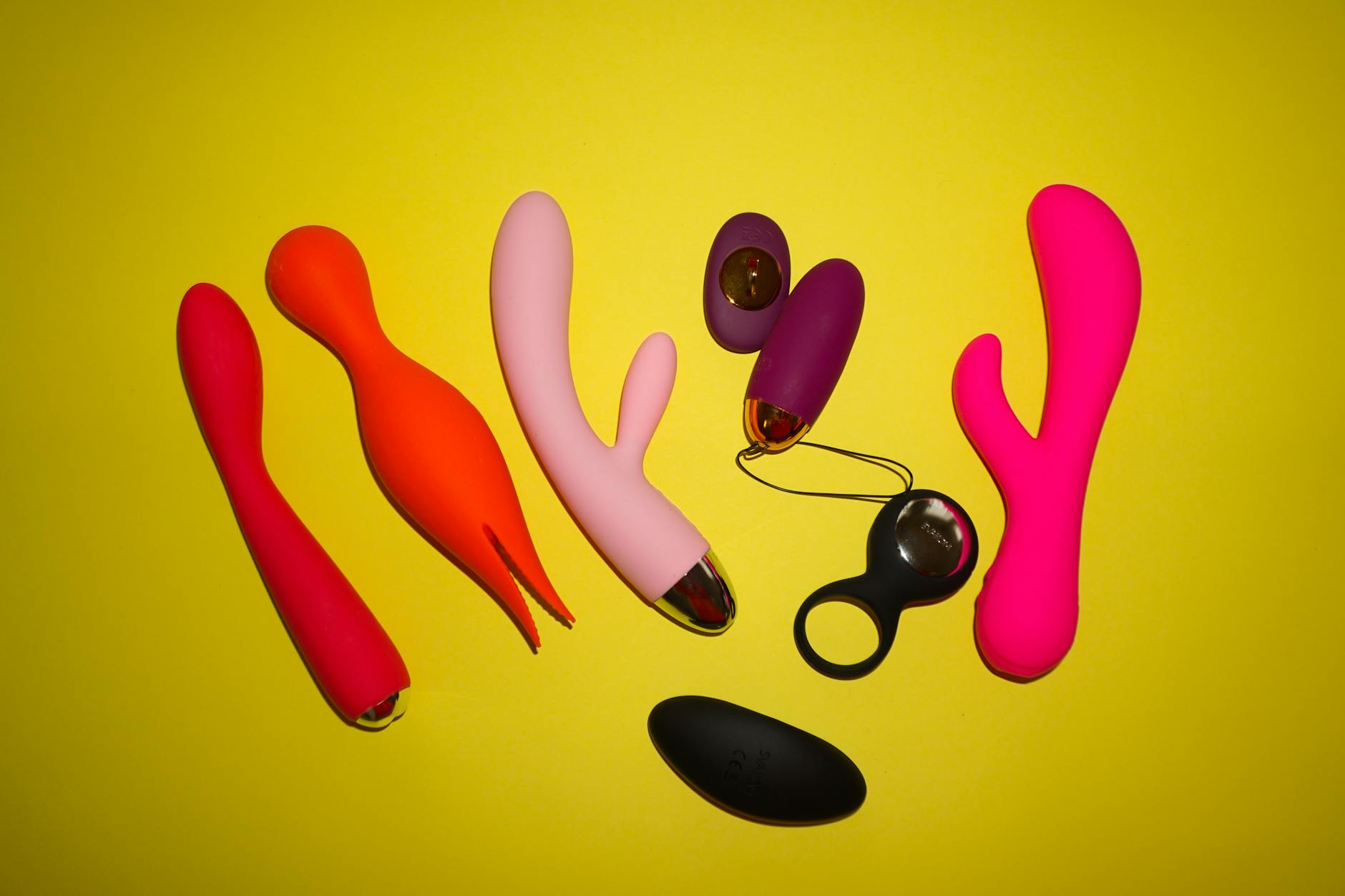
A lemon clitoral vibrator like the Lem uses air-suction technology instead of direct vibration. That distinction is crucial during perimenopause.
Direct vibrators rely on friction against tissue to create sensation. When estrogen is low and tissue is thinner or more sensitive, that friction can feel sharp, overwhelming, or even painful. Air-suction works differently. It creates a gentle seal and pulse, stimulating the clitoris without aggressive friction. It's like the difference between rubbing sandpaper and applying suction. One builds sensation; the other waves it.
For people navigating perimenopause, this means three advantages. First, you get responsive sensation without the discomfort that sometimes comes with lower estrogen. Second, the suction adapts well to fluctuating sensitivity. You can start on a low pattern and layer up, which gives you control during unpredictable weeks. Third, most people report that air-suction devices feel closer to the sensation of mouth contact, which many find more natural and less clinical.
I've worked with hundreds of clients through perimenopause, and the pattern is consistent. Those who switch to lemon clitoral vibrators during this transition report faster arousal build, less discomfort, and more consistent orgasms across the hormone cycle.
How hormonal fluctuation changes what works
One of the strangest parts of perimenopause is the lack of consistency. You're not in a steady state the way you were before or after. You're oscillating.
High-estrogen weeks (early in your cycle, if you still have one) often feel more like your pre-perimenopause self. Arousal builds faster. Lubrication shows up on schedule. Sensitivity is steady. During these weeks, you might use your lemon vibrator on patterns 3 or 4, and everything flows.
Low-estrogen weeks (the second half of your cycle, when it's still happening) are different. Arousal takes 20 to 30 minutes to really kick in. Lubrication needs help from a water-based lube. The clitoris might feel tender or oversensitive. During these weeks, you start your lemon vibrator on pattern 1, use lube without hesitation, and stay there longer before moving up.
This isn't failure. It's biology. And the fix is simple: pay attention to your cycle if you still have one. Use a period-tracking app or just notice the pattern. Then adjust your setup week to week. Some people find they need two different approaches. Others realize that their body genuinely needs less pressure during certain windows, which is information worth having.
Building your perimenopause pleasure routine
Here's what I recommend to clients entering this phase:
Start with longer warm-up time. Budget 20 to 30 minutes, not 10. This isn't a rule. It's what the physiology requires right now. Recognize that as a feature, not a problem.
Keep water-based lube within arm's reach, always. You don't need it every time. But when you do, having it nearby removes friction (both literal and emotional). Use it without shame or commentary. It helps tissue respond better and makes sensation clearer.
Begin at a lower pattern on your lemon vibrator. If you've been using pattern 4, start at 2. Let your body warm up into stronger sensation. Many people find that starting gentle leads to longer, more sustained arousal.
Explore solo first, then communicate. If you have a partner, use your lemon clitoral vibrator alone a few times to figure out what weeks feel like what. Then you can tell your partner without guessing: "On days like today, I need 25 minutes and we should use lube." Information changes everything.
Track what patterns feel good when. You don't need a spreadsheet. But noticing "Oh, this week I'm sensitive to pattern 4, but pattern 2 feels amazing" gives you control and predictability.
The emotional shift that matters as much as the physical one
Physical changes during perimenopause often arrive with psychological ones. You might feel less confident about your sexuality. You might worry you're "broken." You might pull back from pleasure because you're afraid it won't work the way it used to.
That's the real friction point. And it's worth naming directly.
I work with couples where one partner is in perimenopause, and the pattern is almost always the same. The partner in transition assumes something's wrong with them. They pull back. Their partner feels rejected. Things collapse from there, not because of biology but because the conversation never happened.
Here's what I tell them: perimenopause is a redirect, not a dead end. Your body isn't broken. It's asking you to pay attention, slow down, and explore what pleasure actually feels like now. For many people, that attention changes everything. They discover they like longer foreplay. They learn they want different kinds of touch. They find out that their most intense orgasms happen when arousal builds slowly.
Those aren't losses. They're gifts wrapped in inconvenient packaging.
When to see a doctor
If you experience pain during sex, don't wait. Genitourinary syndrome of menopause can begin during perimenopause, and it's highly treatable. A gynecologist trained in menopause medicine can prescribe topical estrogen creams that work in weeks.
If vaginal dryness is severe and lube isn't enough, ask about vaginal estrogen. It's safe, localized, and transforms the experience for many people.
If your mood swings are intense or your sleep is destroyed, talk to your doctor about that too. Perimenopause affects your whole system, not just your genitals. Getting support for the whole picture makes everything easier.
And if you've noticed a complete loss of desire, that's worth exploring. It might be hormonal. It might be stress, relationship issues, or the mental load of midlife. A good practitioner helps you figure out which.
The bigger picture
Perimenopause lasts years. You're going to move through multiple seasons of it. Some will feel more like your old self. Others will require patience and adjustment. A lemon clitoral vibrator adapts to that fluctuation better than most tools because it's responsive, gentle, and layered.
But the real tool is the information. Knowing that this phase is temporary. Understanding that your body isn't broken. Recognizing that pleasure is still available, just on a different schedule. That changes how you move through these years. You stop fighting your body and start listening to it.
And that, in my experience, is where the best pleasure lives anyway.
People also ask
Does perimenopause permanently change your orgasms?
No. Your orgasms will shift during perimenopause and menopause, but they don't disappear. Many people report that once their hormones stabilize after menopause, orgasms become stronger and more consistent, especially if they've had time to explore what feels good. The change is temporary in nature, even if it lasts years.
Can you use a lemon vibrator every day during perimenopause?
Yes, if it feels good. There's no medical reason not to. Some people use their lemon clitoral vibrator daily; others use it a few times a week. Pay attention to what your body likes. If daily use makes you feel more connected to pleasure, do it. If every other day feels better, do that instead. There's no rule except what serves you.
Is vaginal dryness during perimenopause normal?
Completely normal. It happens because estrogen supports tissue thickness and lubrication. As estrogen fluctuates, so does lubrication. Using water-based lube with your lemon vibrator is not a workaround. It's practical support. Some people need it every time. Others only during certain weeks. Both are fine.
Do you need lube with a lemon clitoral vibrator during perimenopause?
Not always, but have it ready. Air-suction vibrators are gentler than direct vibrators, so many people manage without lube on higher-estrogen days. On low-estrogen days or if you're feeling sensitive, lube makes everything clearer and more comfortable. Use it freely. It enhances sensation rather than reducing it.
How long does it take arousal to build during perimenopause?
It varies by person and by cycle. Some people find arousal takes 15 to 20 minutes. Others need 30 to 45 minutes. Instead of fighting it, lean into the longer timeline. Use it as foreplay. Let your partner know. Many couples find that the longer buildup creates better orgasms anyway.
Can perimenopause affect pleasure with a partner?
It can change the timing and type of sensation, yes. But it doesn't have to damage pleasure. Communication is everything. If you need more time, say so. If you need lube, use it. If certain positions feel better than others right now, explore those. The couples who navigate perimenopause best are the ones who treat it as new information, not as a problem to hide.
The next step
If you're in perimenopause and haven't yet explored how your body is changing, start there. Notice the patterns across your cycle. Try your lemon vibrator with more time, more lube, and lower patterns. See what shifts. You might find that pleasure during this phase feels different but richer than before.
For more specific guidance on navigating pleasure during other life transitions, check out how to use a lemon vibrator when your body feels different after pregnancy or how to use a lemon vibrator when arousal feels broken after hormonal changes.
And if you're navigating this with a partner and communication feels stuck, how to use a lemon vibrator when you feel disconnected during partnered sex might offer some grounding.
Perimenopause is long and strange and temporary. Your pleasure is not.