
The pressure trap
Honestly, delayed orgasm in partners is one of the fastest ways intimacy breaks down. Not because anyone's broken, but because the math gets toxic fast. The longer it takes, the more both of you start watching the clock instead of each other. Your partner feels like they're failing you. You feel like you're failing them. Sex stops being connection and starts being a test neither of you can pass.
That's where most couples get stuck. But here's the thing: a lemon vibrator (like the Lem or our other lemon clitoral vibrators) doesn't solve delayed orgasm. It solves the pressure around it. And that's actually what matters.
Why delayed orgasm is different from low desire
Delayed orgasm means your partner has plenty of desire and arousal. They're present, engaged, and feeling good. The orgasm just... takes a long time. Or it doesn't happen at all. This is wildly common. Certain medications cause it. Stress causes it. Sometimes it's just how someone's wired.
The problem isn't the person. The problem is that penetrative sex alone often doesn't deliver the right kind of stimulation for the orgasm to happen. So you're both there, performing, timing out, and the fun evaporates.
A lemon sucker vibrator changes this equation because it provides clitoral stimulation that penetration doesn't. That shift in stimulation can be enough to break through the plateau. But more importantly, it shifts the entire framing from "why isn't this working" to "how do we both get what we need right now."
The permission conversation first
Before you introduce any toy, you need to talk. Not a sexy conversation. A practical one.
The script I use with couples: "I love being with you. I also want us both to finish sometimes without feeling like we're running a marathon. I've been thinking about trying something that might help both of us. Can we talk about that?"
Notice what that does. It's not "you're taking too long." It's "I want us both to win." It reframes the vibrator from a criticism into a tool.
Your partner might feel defensive at first. That's normal. They might worry it means you're not satisfied with them. Address that directly: "You turn me on. The orgasm just takes a different path sometimes. This helps us get there together."
How to actually use it together
There are three common positions that work well when one partner has delayed orgasm.
Position 1: During penetration. You (or your partner) hold the Lem against your clitoris while they're inside you. This gives you direct clitoral stimulation alongside penetration, which often accelerates everyone's timeline. Start with pattern 1 or 2 (lower intensity) so the sensation isn't overwhelming. The suction cups on the Lem work differently than vibration does, so the sensation will feel fresh even if you've used other toys before.
Position 2: Foreplay intensifier. Use the lemon vibrator on yourself during foreplay while they're inside you, but not moving much yet. This lets you build arousal faster, which sometimes helps your partner's nervous system relax into their own arousal. When both people are highly aroused, delayed orgasm becomes less of a barrier.
Position 3: The afterplay reset. If orgasm isn't happening during partnered sex, pivot. Move into a position where they can focus on you with the lemon clitoral vibrator while you touch them. This takes the performance pressure off them completely. You get pleasure, they get to give pleasure without the weight of needing to come, and the whole dynamic softens.
The key in all three: start lower than you think you need to. Lemon vibrators deliver sensation efficiently, so you don't need maximum intensity from the start.
When lube becomes non-negotiable
If your partner has delayed orgasm related to medication (SSRIs, blood pressure meds, some birth controls), they might also have less natural lubrication or sensation changes. Water-based lube isn't just nice. It's practical. It reduces friction that can desensitize further, and it gives your partner's body a better chance of reaching orgasm.
Apply it to the lemon vibrator head and reapply every few minutes. This isn't extra. This is essential equipment for delayed orgasm situations.
The arousal timing mismatch
One reason delayed orgasm feels so defeating is that your arousal peaks way before theirs does. By the time they're truly warmed up, you might already be over the mountain. Lemon clitoral vibrators help equalize that timeline.
Start using the vibrator earlier in your session than feels intuitive. Many couples wait until mid-penetration or late foreplay. Instead, try using it in early foreplay, while you're building arousal at the same time. You'll both reach high arousal around the same moment. That synchronization alone takes massive pressure off.
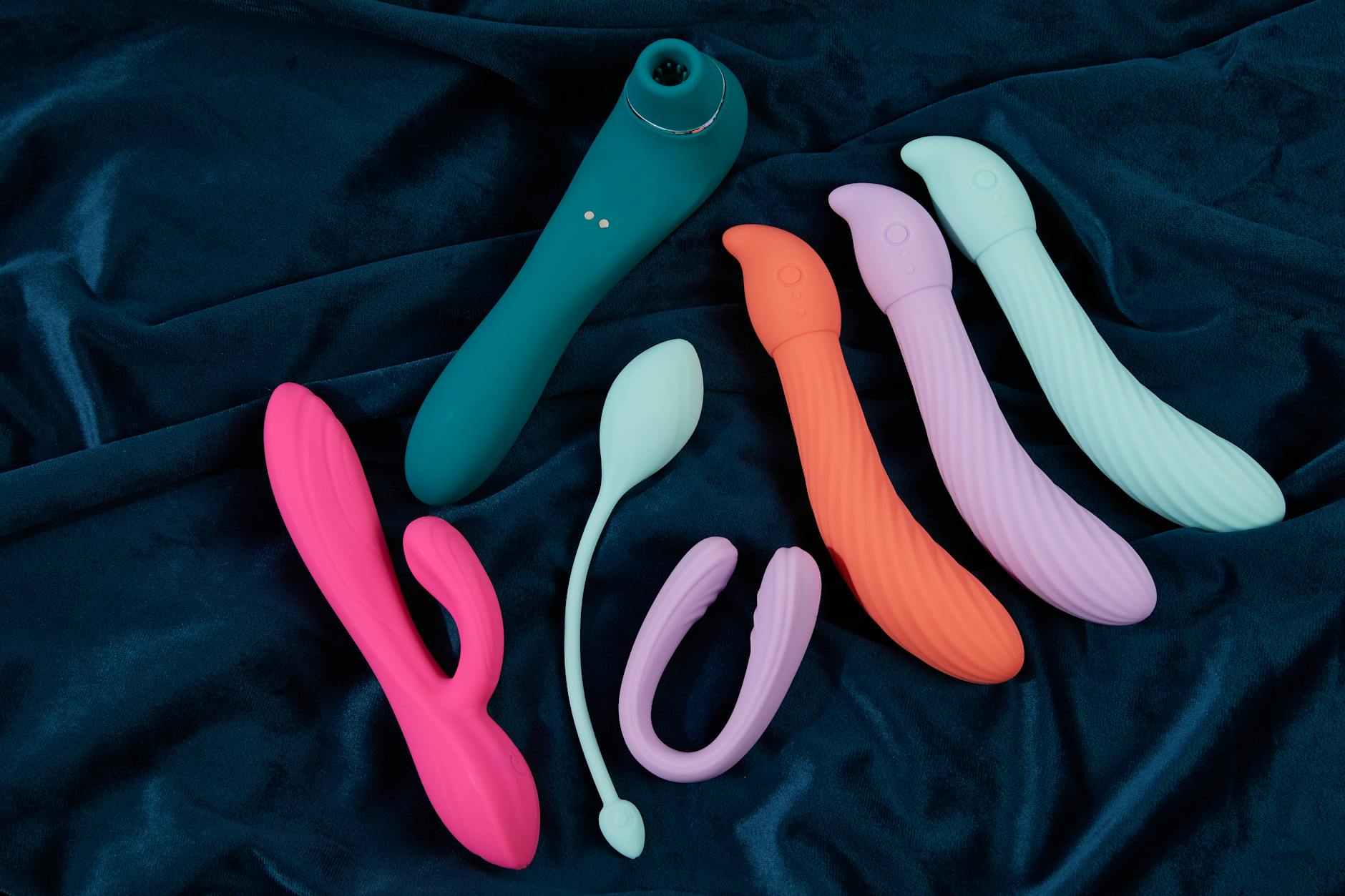
Photo by IFONNX Toys on Pexels
The mental load is the real barrier
Here's what I see most often in couples where delayed orgasm is an issue: the person without the delayed orgasm starts monitoring the other person's body like a technician. Are they close yet? Should we try something different? And that hypervigilance kills the mood for both of you.
When you introduce a tool like a lemon vibrator, it gives both of you permission to stop managing each other and start enjoying. The vibrator is doing the technical work. You can both just be there.
That shift in mental state matters more than the toy itself. But the toy makes the shift possible.
Checking in after
After a session where you've used a lemon vibrator together, talk about it. Not a therapy session. Just: "How did that feel?" and "Want to try it again?" or "What would make it better next time?"
Delayed orgasm often has a shame component baked into it. Your partner might worry they're letting you down. Regular, low-pressure check-ins help dismantle that. You're in this together. You're learning together. Progress isn't about reaching orgasm every time. It's about reaching pleasure.
When to consider other factors
If your partner takes medication that causes delayed orgasm, sometimes adjusting timing (taking it at night instead of morning, for example) or switching medications helps. That's a conversation with their doctor, not you. But it's worth them knowing the issue exists and that it matters enough to address.
Stress and relationship tension also delay orgasm significantly. If you're fighting about money, about who does housework, or about feeling disconnected emotionally, a lemon vibrator won't fix that. It might help you both feel better in the moment, but the underlying issue needs real conversation. That's where working with a couples therapist becomes valuable.
The pressure release
Most importantly: a lemon vibrator gives you both an off-ramp from the performance narrative. You're not trying to fix your partner. You're not asking them to perform on your timeline. You're both exploring what actually feels good, together, without judgment.
That's when delayed orgasm stops being a problem and becomes just another part of how you navigate pleasure as a couple. And that's when things actually start working.
People also ask
Can using a lemon vibrator together fix delayed orgasm permanently?
Not permanently, no. Delayed orgasm is usually related to something systemic: medication, stress, relationship tension, or neurological patterns. But a lemon clitoral vibrator can make the immediate experience better and take pressure off the situation. Sometimes that reduced pressure is enough to shift things. Sometimes it just makes the experience more pleasurable even if orgasm doesn't happen. Both are wins.
Is it weird to introduce a toy if we've never used one before?
It feels weird. That's different from being weird. Most couples feel awkward the first time. The script I gave you earlier helps. Frame it as wanting better experiences together, not as a fix for a problem. After the first time, it becomes normal.
What if my partner feels threatened by the vibrator?
That's real and common. Have the conversation without the toy in the room. Listen to what they're actually worried about (usually "will they replace me" or "am I not enough"). Address those feelings directly. Then, when you're both ready, use the vibrator as a tool together, not as a substitute for them. The Lem or other lemon vibrators work best as part of partnered play, not instead of it.
How long does it usually take for a vibrator to help?
Some couples notice a difference immediately. Others need 3 to 5 sessions to figure out what works. The real benefit comes when both of you stop thinking about the goal (orgasm) and start enjoying the process. Once you relax into that, things move faster.
Should we use the lemon vibrator every time we have sex?
No. Variety matters. Some sessions, use it. Some sessions, don't. If you rely on it every single time, you might end up in a different trap: needing it to finish. The point is options. The point is pleasure without pressure.
What if the vibrator doesn't help at all?
Then it's worth exploring other factors: Is the delayed orgasm related to medication? Stress? Relationship disconnection? Is your partner's nervous system in a state where orgasm is even possible? Sometimes the issue isn't the stimulation. It's the environment, emotional state, or something medical. A conversation with their doctor or a sex therapist might uncover what's actually happening.