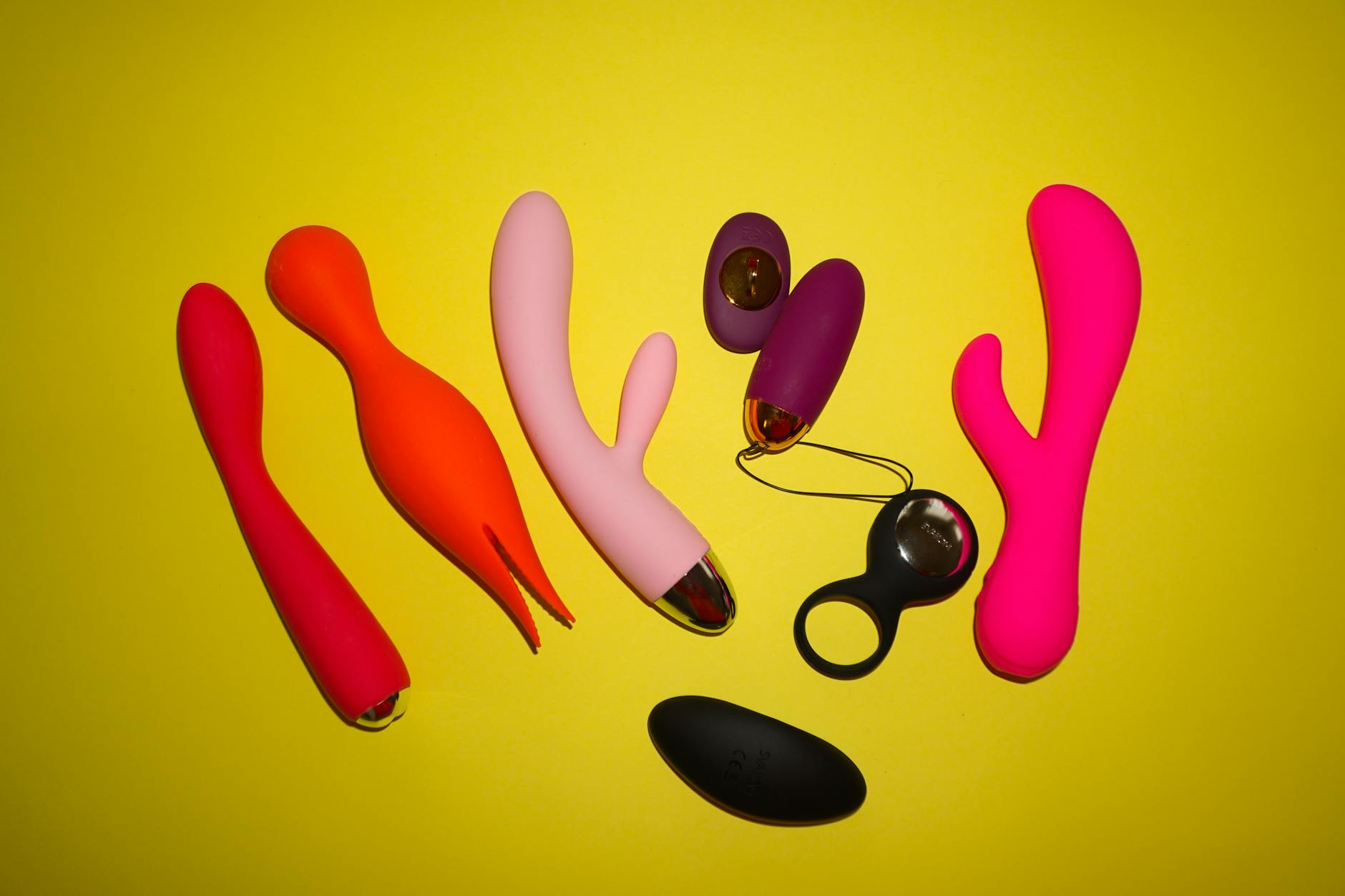
Here's what nobody tells you about pleasure after birth trauma
Let's be real. If your delivery was hard, scary, or involved unexpected interventions, your relationship to touch changes overnight. It's not about willpower or desire. Your nervous system took a hit, and pleasure becomes a thing that happens to other people, not you. That's not a personal failing. That's exactly what trauma does.
Most resources about postpartum intimacy talk about "getting back to sex" by week six or waiting until you're cleared by your doctor. But if your delivery was traumatic, that timeline means nothing. You need a slower, gentler re-entry into sensation that doesn't pretend your body didn't just go through something terrifying.
Here's what I've learned from working with people navigating this: a clitoral vibrator like the Lemon can be one of your most useful tools for rebuilding trust and pleasure on your own terms. But only if you use it in a way that honors what your nervous system has been through.
The neurobiology of post-trauma touch
When birth is difficult, your brain logs it as a survival event. That doesn't mean you're broken or dramatic. It means your autonomic nervous system is doing exactly what it's supposed to do. In the months after, touch can trigger a cascade of defensive responses. Your body tenses. Your breath shallows. Your mind goes somewhere else. You might feel numb, or hypersensitive, or a confusing mix of both.
Vaginal and pelvic sensation are particularly wired into survival responses because they're linked to vulnerability and threat. If delivery involved tearing, episiotomy, or emergency procedures, the physical trauma layers onto the psychological one. Your body learned that that space equals pain.
Here's the important part: you can rewire this. Not by forcing sensation, but by slowly, repeatedly, in tiny doses, teaching your nervous system that touch can be safe and pleasurable again.
Why the Lemon works differently for post-trauma recovery
Most vibrators demand friction. The Lemon uses gentle suction and pulsation instead. That distinction matters enormously when you're rebuilding.
Suction-based stimulation bypasses direct pressure on tissue that might be hypersensitive or still healing. It doesn't require the same level of voluntary relaxation that penetration does. And psychologically, suction feels more like a massage than an invasive sensation. Your nervous system reads it as soothing rather than threatening.
Additionally, the Lemon's size and shape let you control exactly where stimulation happens. You're not accommodating a partner's timing or rhythm. You're not dealing with penetration anxiety. You're directing your own pleasure at your own pace. That agency is massive when you're rebuilding trust.
Start impossibly small
If you're reading this and thinking, "I'm not ready for anything yet," that's completely valid. Healing doesn't have a deadline. But when you do feel a flicker of interest, start here.
Day one doesn't even involve the device. It's about exploring sensation on your terms, with your hands. Touch your inner arm. Your neck. Your thighs. Anywhere that feels safe and far from where the trauma happened. Spend time noticing what gentle touch feels like without expectation. This rewires your brain's association with pleasure. It doesn't have to go anywhere.
When you're ready, introduce the Lemon on its lowest setting, but don't use it on your vulva yet. Try it on the back of your neck. Your inner wrist. Your collarbone. Let your nervous system learn that this object feels good, feels safe, and follows your lead.
Working up to clitoral stimulation
The clitoris is less traumatized by birth than internal tissue, but psychological trauma still affects sensation there. Your brain might be flooding the region with protective numbness.
When you're ready to use the Lemon on your vulva, start with external stimulation well away from any sensitive scar tissue. Focus on the outer labia and the clitoral hood first. Use pattern one or two. Build for 15 to 30 seconds, then stop. Let your nervous system settle.
This isn't foreplay. It's not supposed to escalate to orgasm. You're teaching your body that sensation here equals safety, not danger. Repeat this micro-dose approach for several days. Your nervous system will start to relax. You might notice the numbness lifting slightly.
Then gradually increase duration. 30 seconds becomes 45. 45 becomes a minute. You're pacing your own desensitization. This is how nervous systems heal. Not through force or positive thinking. Through repetition and safety.
The role of your breath and your mind
After birth trauma, dissociation is a survival mechanism. You're reading erotic content, your partner's doing everything right, but your mind is somewhere else. This is not a personal failure. It's your nervous system protecting you.
When you're using the Lemon solo, anchor yourself in your breath. Not pranayama or box breathing. Just noticing it. If you're holding your breath, you're braced. Your nervous system is still in protective mode. Slow, gentle breaths send a signal to your body: this is safe.
If your mind wanders, that's fine. You're not trying to achieve arousal. You're rewiring safety. Come back to sensation. Back to breath. If at any point you feel panic, stop. There's no failure here. Your nervous system just needs more time.
When a partner is involved
This is where things get tender. If you have a partner, they might feel rejected. They might interpret slow healing as a lack of desire for them. Most of the time, that's untrue. But you can't fix their feelings by pushing your body into intimacy you're not ready for.
The clearest thing you can do is separate two conversations. One: your healing. Two: your partnership. Say this out loud: "I'm not ready for sexual intimacy yet. That's not about you. My nervous system needs time to trust this part of my body again." Then show them what you ARE doing. "I'm using gentle tools to rebuild sensation. I'd love your support, but not pressure."
Some partners will panic that recovery means you won't want them ever again. Reassurance here is legitimate. "I'm planning to come back to partnered intimacy. But on a timeline that feels safe for my body." If you don't know that yet, say that too. Uncertainty is honest. Honesty builds trust.
Once you've spent weeks rebuilding clitoral sensation solo, your partner can join as a support presence, not a participant. They might sit nearby while you use the Lemon. They might hold your hand. They might just listen to you describe what you're noticing. This is intimacy without demand.
Pelvic floor retraining alongside the Lemon
Birth trauma often creates a pelvic floor that's either locked tight in protection or too loose to create sensation. A clitoral vibrator can't solve that alone.
Consider working with a pelvic physical therapist who specializes in birth trauma. They're not the same as a regular PT. They understand how trauma changes the pelvic floor and how to gently restore function and sensation.
While you're doing that work, the Lemon serves a different role. It's a feedback tool. As your pelvic floor softens and strengthens, you might notice that suction feels different. More intense. More pleasurable. That's evidence of healing. Your nervous system is trusting sensation again.
When to seek additional support
If you're experiencing nightmares, flashbacks triggered by touch, or panic responses that don't soften after several weeks of gentle work, that's a sign to bring in a trauma-informed therapist. Birth trauma is real trauma. It deserves real treatment.
A good trauma therapist will use approaches like EMDR or somatic experiencing that help your nervous system discharge the trauma itself, not just manage symptoms. Combined with gentle pleasure work, this can accelerate healing significantly.
You're not weak for needing this support. You're being resourceful.
FAQ: Pleasure and recovery after birth trauma
How long before I can feel pleasure again after a traumatic birth?
There's no standard timeline. Some people notice shifts in a few weeks. Others need months. The amount of physical trauma, the amount of psychological fear, and whether you're getting support all matter. Pushing yourself toward a deadline usually backfires. Let your nervous system set the pace.
Can I use a lemon vibrator if I have pelvic pain after delivery?
Not if the pain is acute or if you're still actively healing from tears or an episiotomy. Wait until you're cleared by your midwife or doctor for penetration and sexual activity. Once you're cleared, start with external stimulation only. If pain returns, stop and check in with a pelvic physical therapist. Pain is information. Listen to it.
What if I feel guilty using a vibrator when my partner wants to help me heal?
That guilt is often rooted in the idea that your pleasure belongs to your partner. It doesn't. Your pleasure is yours. Your healing is yours. A partner's role is to support your boundaries, not to be the vehicle for your recovery. Using the Lemon solo is an act of radical self-trust. That's not selfish. That's necessary.
Should I tell my partner I'm using a lemon vibrator for recovery?
That depends on your relationship and your comfort. Some people keep this private because it feels safer. Others share because transparency matters to their partnership. There's no right answer. But if you're keeping a secret because you're afraid of your partner's reaction, that's worth examining. You deserve a partner who supports your pleasure and your healing.
Can the Lemon help me orgasm again after birth trauma?
Sometimes. But orgasm isn't the goal in early recovery. Sensation is. Safety is. Permission to feel your body again is. If orgasm happens, great. If it doesn't for months, that's also okay. Your nervous system is rerouting pleasure pathways. That takes time. The Lemon is a tool for rebuilding the foundation. The house gets built later.
How do I know if I need therapy in addition to using the Lemon?
If you're experiencing dissociation during touch, panic responses, nightmares, or intrusive thoughts about the delivery, professional support isn't optional. It's necessary. A therapist trained in birth trauma can help your nervous system process what happened so that pleasure work actually builds. The Lemon can't do that alone.
Your body didn't fail you. You're stronger than you think.
Birth trauma rewires how you relate to your body. For a while, that part of you might feel foreign or dangerous. That's not permanent. Thousands of people have walked this path and reclaimed pleasure, sensation, and trust.
The Lemon is a tool. Your breath is a tool. Your own pace is a tool. Therapy, if you need it, is a tool. But the most important tool is permission. Permission to heal slowly. Permission to say no to anything that doesn't feel safe. Permission to rebuild pleasure on your terms, not on a timeline that works for everyone else.
If you have questions about your recovery or need support navigating trauma and intimacy, reach out. That's what we're here for. You don't have to do this alone.