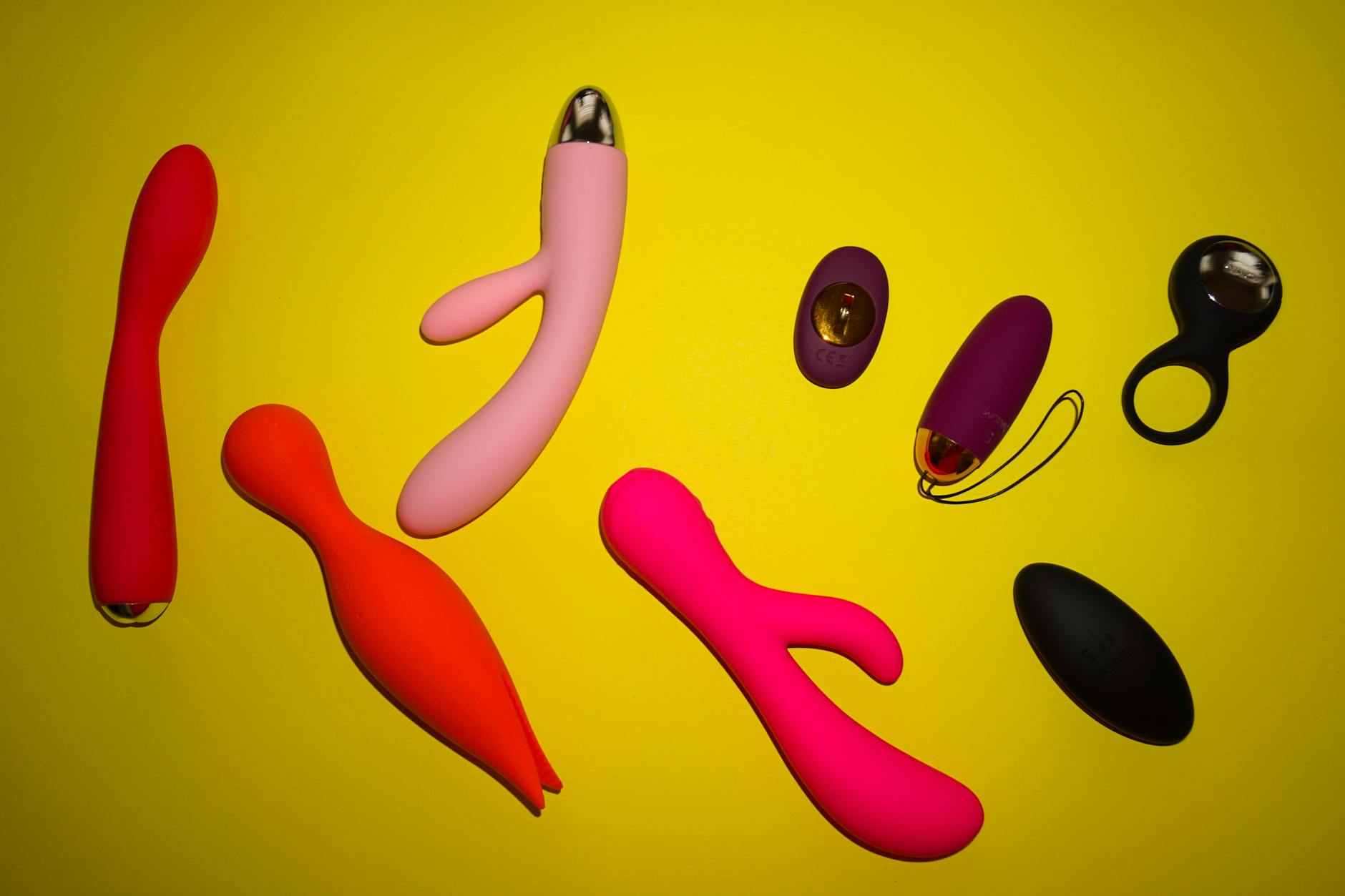
Here's the thing about new relationships and toys
Introducing a lemon vibrator or any other sex toy to a new partner feels risky. You worry they'll think you're saying their touch isn't enough. You worry they'll feel replaced. You worry they'll interpret it as pressure or weirdness. None of those things have to be true, but they're real concerns, and they deserve real answers before you ever pull anything out of a drawer.
I've worked with dozens of couples in the early stages of connection, and the ones who navigate this best aren't the ones with the fanciest toys. They're the ones who talk first and introduce the toy second. The lemon vibrator isn't the starting point. Trust and honesty are.
Why new relationships change how you approach pleasure
When you've been with someone for years, you know their vulnerabilities. You've built a foundation of safety. A new partner doesn't have that yet, and you don't know how they'll react to something unconventional. That's not paranoia. That's wisdom.
The other factor: early intimacy often feels like you need to perform. You want to impress. You want them to want you. Adding a toy into that mix without context can feel like you're handing them a tool to replace you, or admitting you're not satisfying on your own. These are myths, but early-relationship brain doesn't always think clearly about myths.
What actually matters is separation. Your pleasure is yours. Their pleasure is theirs. A lemon clitoral vibrator isn't about replacing your partner. It's about amplifying what's already there. But if you don't explicitly say that, they have to guess. And guessing in a new relationship usually goes worst-case.
The conversation comes before the toy
Start this talk outside the bedroom. Not during sex, not when you're both undressed and vulnerable. Have it over coffee or during a quiet evening when neither of you has anywhere to be. The goal isn't to convince them. It's to be honest.
You might say something like: "I've been thinking about my pleasure lately, and I realized I want to explore some things that help me feel more sensation. A lemon vibrator is something that's been interesting to me. I'm not saying anything's missing between us. I just want you to understand what I'm curious about before anything else happens."
Notice what's not in that sentence: it's not a question disguised as information. It's not apologetic. It's not framed as something you want to do to them. It's simply you sharing something about yourself.
Their response will tell you a lot. If they have questions, answer them. If they feel nervous, ask what the nervousness is about. Often it's rooted in something real you can address. Sometimes it's based on a misunderstanding you can clear up.
Building trust around the actual toy
Once they know it exists and you've talked about why you're interested, the next phase is showing them it's not a secret or a threat. Pull out the lemon vibrator in a non-sexual context. Let them hold it. Let them see it's just silicone and motors, not some mystical object. Explain how it works, what it feels like, why you think it might help.
Some partners will be curious. Some will be neutral. Some will need more time. All of those are fine. You're not looking for enthusiasm. You're looking for acceptance.
If they ask to be part of the experience, great. If they want to stay out of it entirely, also great. Those are two different conversations. Using a lemon vibrator alone is completely valid. Using it with a partner who understands and supports you is also completely valid. The two aren't mutually exclusive.
When you do eventually use it together, start slow. Use it on yourself while they're present. Let them see how your body responds. This is vulnerability in the best way. You're not performing. You're just experiencing pleasure while they're there to witness it. That's trust building in real time.
What to do if they feel insecure
Some new partners will worry that a toy means they're not enough. That's common and it deserves a direct response, not reassurance that bounces off them. Here's what actually helps: explaining that clitoral vibrators work differently from bodies. A lemon vibrator uses air-suction stimulation that no hand can replicate exactly. That's not about adequacy. That's about physics.
You might also want to talk about what they can do that the toy can't. Kissing. Touch. Presence. Emotional connection. A vibrator is a tool for sensation. Your partner is a person. Those roles don't overlap, so there's no competition.
If insecurity lingers, it's worth asking what's underneath it. Is it about feeling replaced? Is it about feeling left out of your pleasure? Is it about shame around sexuality? Those are different problems with different solutions. Some might need more conversation. Some might benefit from exploring together. Some might need space and time.
What matters is not letting the lemon vibrator become the scapegoat for larger relationship issues. If trust is shaky, introducing toys won't help. Build the foundation first.
The practical reality of using it together
If your partner wants to participate, the integration is simpler than you might think. You might use the lemon vibrator on yourself while they're kissing you or touching you elsewhere. You might use it together as foreplay. You might use it during penetrative sex, depending on body positioning and comfort.
The key is communication during the experience itself. Not a dissertation. Just check-ins. "Does this feel good?" "Want to keep going?" "Want me to change the setting?" This kind of real-time feedback isn't just practical. It tells your partner that you care about their experience too, even though this is about your pleasure.
Some partners will find that watching or being part of your orgasm is genuinely hot for them. That's not uncommon. Your pleasure is attractive to them, and a lemon vibrator becomes a tool that amplifies something they already wanted to witness. That's a beautiful outcome.
When to bring it up if you haven't yet
There's no magic timeline, but there are bad moments and better moments. Don't bring it up during conflict or when either of you is stressed. Don't do it right after sex when someone might be insecure. Do it when you're both calm and have time. Do it when you're feeling secure in the relationship.
If you're months in and things feel solid, that's a good window. If you're just a few weeks in and still learning each other's last names, you might wait a bit. Trust your instinct about whether the foundation is there.
One more thing: if you've used a lemon vibrator or any toy with previous partners and this person doesn't know, honesty about that matters too. Not as confession. Just as context. "I've used toys in the past and I find them helpful for my pleasure" is a simple statement that prevents surprise later.
The outcome you're actually building
The whole point of this slow, honest approach isn't to eventually convince them to like the toy. It's to build a relationship where both of you can be yourselves without shame or pressure. If your partner never wants to be in the room when you use a lemon vibrator, that's fine. If they want to be involved, that's also fine. The outcome is acceptance and understanding, not a specific behavior.
When you approach toys and pleasure from a place of honesty rather than sneaking or convincing, the entire dynamic shifts. Your partner isn't defending against something hidden. They're supporting something they understand. That's the difference between shame and health, and it makes everything easier.
People also ask
Will introducing a toy make my new partner think I'm not satisfied with them?
Not if you frame it correctly. A lemon vibrator isn't about satisfaction. It's about variety in sensation. You might be completely satisfied with your partner's touch and still want to explore what air-suction stimulation feels like. Those aren't competing experiences. They're different tools. The conversation prevents the misunderstanding.
How long should I wait before mentioning toys to a new partner?
Wait until trust feels stable. That's different for everyone. Some couples are there in two months. Some take six. Pay attention to how vulnerable you already feel with this person, how much you can disagree and still feel safe, and whether they've shown they respect your boundaries. Those matter more than a specific timeline.
What if my new partner says no to toys altogether?
Then you have a choice about what that means for the relationship. Some people are genuinely not comfortable with toys, and that's their boundary. Some people are uncomfortable because of misinformation or shame. A calm conversation might shift that. But you can't convince someone into acceptance. If you need toys in your sexual life and they can't live with that, that's incompatibility worth knowing early.
Can I use a lemon vibrator secretly if my partner doesn't like toys?
Technically yes. Ethically, it depends on your relationship values. If you're hiding it, you're probably feeling shame, and shame often signals that something's off in the relationship. If you want to use a toy and your partner is strictly against it, that's a conversation worth having. If they're fine with you exploring solo but just don't want to participate, that's different and totally manageable.
What if they ask to use the lemon vibrator on me without my input?
Ask for a pause. You don't have to be okay with something just because they suggested it. You get to say "I want to try it on myself first" or "Let's wait a bit" or "I like my touch better on this." Consent goes both ways. Your partner should respect how you want to experience your own body.
How do I know if they're actually comfortable or just saying yes?
Pay attention to their words and their body language. Do they ask questions? Do they seem genuinely curious or just polite? Are they affectionate afterward or do they seem withdrawn? You don't need them to be enthusiastic. You need them to be honest. If something feels off, ask directly. "I want to make sure you're actually okay with this." Real partners will appreciate the check-in.
Building a sexual relationship with a new partner is about building trust first and exploration second. A lemon vibrator is just a tool. The real work is the conversation, the honesty, and the willingness to understand each other. Get those right, and the toy becomes just another way to share pleasure. Mess up the foundation, and the toy becomes a symbol of something that was already broken. Choose wisely.