Let's start with what actually happens to your body
Clitoral desensitization is real, and it's not something you've broken. When you use high-intensity vibration repeatedly, especially at the same pattern and pressure, your nerve endings adapt. The stimulation that once sent electricity through your whole body stops registering as strongly. Some people describe it as numbness. Others say it feels like watching pleasure happen to someone else.
Here's the thing: this is a completely normal neurological response, not a sign of dysfunction or damage. Your body is just getting used to the signal.
Why this happens (and why it matters)
Your clitoral tissue contains roughly 8,000 nerve endings concentrated in a small area. When you send the same strong signal repeatedly, those nerves stop responding as dramatically. It's the same reason a constant background noise stops registering after a while. Your brain literally stops hearing it as novel or important.
This gets worse when you're chasing the same orgasm pattern. Many people get caught in a loop: numbness happens, intensity increases, numbness deepens. It feels like the only solution is going harder and faster. That's the trap.
The reset protocol that actually works
You don't need to quit using lemon vibrators. You need to use them differently. Here are five moves that change everything:
1. Take a full break first. If you've been heavily stimulating, give yourself 7-10 days completely off. No vibrators, no direct clitoral touch. This gives your nerve endings time to reset their baseline sensitivity. It feels counterintuitive when sensation is the problem, but it works.
2. Reintroduce with patterns you've never used. When you come back, don't grab the intensity levels you loved before. Start with the gentlest pattern on your lemon clitoral vibrator and explore settings you've ignored. Patterns 1 and 2 might feel impossibly weak at first. Use them anyway. Your nervous system needs to remember what low-level pleasure feels like.
3. Use variable pressure, not constant pressure. Hold the device lightly, then back off slightly, then return. Vary the angle. Stop every 30 seconds and just breathe. This teaches your body that sensation comes and goes, which makes it feel more intense overall.
4. Build in anticipation time. Spend 10 minutes with your lemon vibrator off. Touch your clitoral area with your fingers. Notice temperature, texture, sensitivity. Get aroused without the device. Then introduce the vibrator. The contrast makes sensation feel sharper.
5. Stop before you think you need to. This is the hardest one. When numbness is the problem, most people wait until they feel nothing before stopping. Instead, pause as soon as you notice sensation flattening. You'll rebuild faster this way.
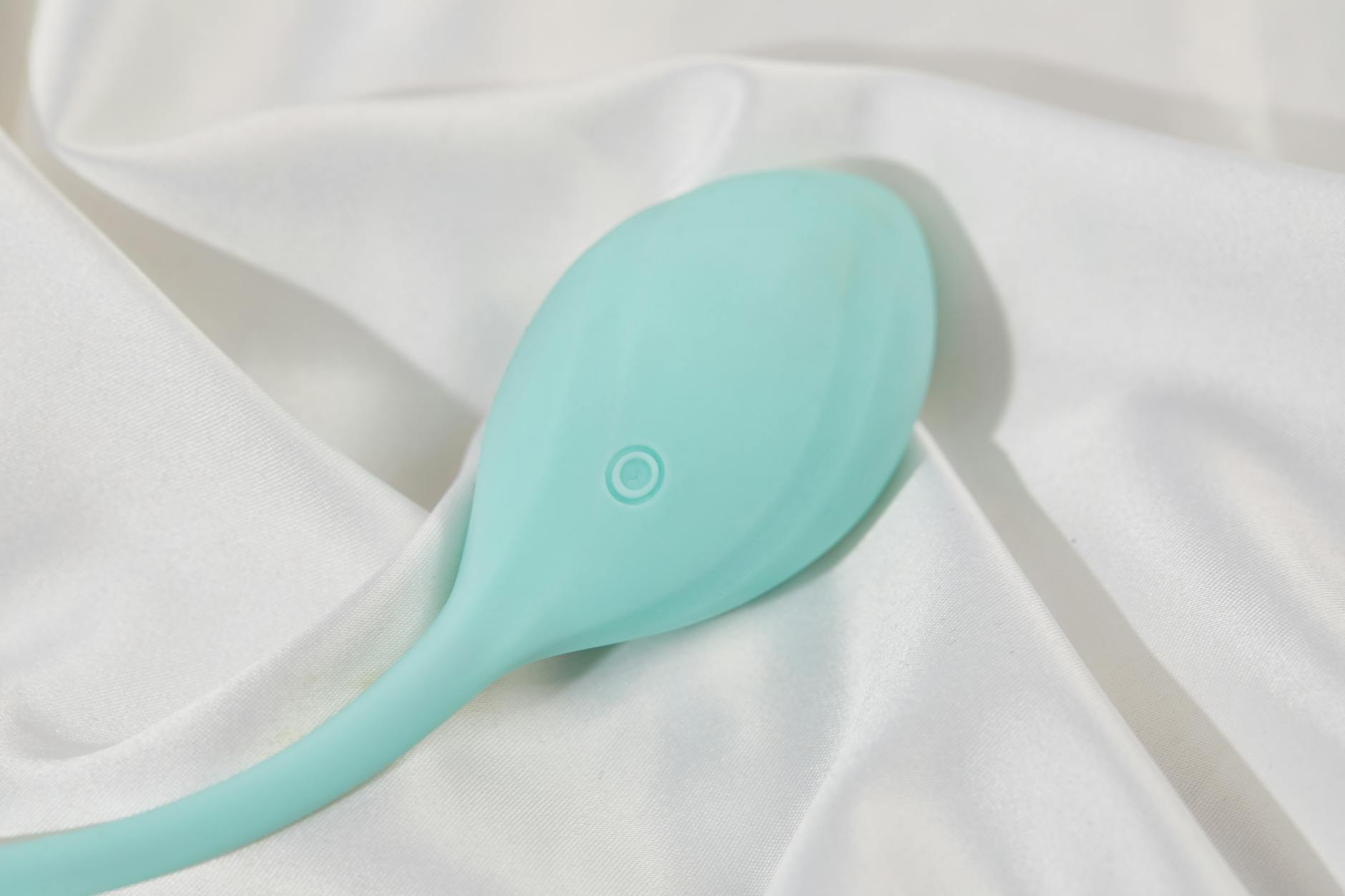
Photo by IFONNX Toys on Pexels
Why a lemon clitoral vibrator works differently for recovery
Clitoral suction vibrators like those from Hello Nancy operate on a different principle than traditional vibrators. Instead of direct vibration against sensitive tissue, they create a gentle suction and release pattern. This means:
You can rebuild sensitivity faster because suction stimulates without the same high-frequency overstimulation. The gentle rhythmic pattern is novel to nerve endings that have adapted to constant buzzing. Many people find that after desensitization, suction feels more intense and pleasurable than traditional vibration, even at lower settings.
This is especially useful if you've been using other vibrators extensively. The sensation is different enough that your nervous system has to pay attention again.
The timing and pace that matters
Desensitization recovery isn't quick, but it's predictable. Most people see real changes in 3-4 weeks if they commit to the protocol.
Week one is about the reset. Total break. Your nervous system is recalibrating. You might feel frustrated or worry that you've permanently damaged sensation. You haven't.
Weeks two and three are the rebuilding phase. Reintroduce your lemon vibrator with the gentlest patterns. Spend no more than 15 minutes per session. Stop early. You're training your body to notice subtler stimulation again.
Weeks four and beyond, you'll start noticing sensation returning. Patterns that felt dead now register. Lower intensities start building pleasure. The urge to crank it up gets weaker because you don't need to anymore.
The catch: you have to change your habit, not just your device. If you slip back into old patterns (high intensity, same position, same duration), desensitization will creep back in. Variation and moderation aren't sexy, but they work.
What you need to know about reintegrating with a partner
If you're navigating this with someone, the conversation matters as much as the mechanics. Desensitization can feel like a personal failing, especially if your partner was involved in the stimulation. It isn't. Your body is just adapting.
The most helpful thing a partner can do is slow down with you. If you've been using fast patterns during partner sex, try switching to longer, gentler touch. Use your lemon vibrator during intimacy but in short bursts rather than throughout. Build anticipation, then pause, then return.
Many couples find that recovery actually improves their sex life because it forces them to pay more attention to what actually works instead of defaulting to the same routine.
When to worry and when to breathe
Clitoral desensitization from vibrator use is common and reversible. Some people worry they've done permanent damage. You haven't. Nerve endings recover well.
However, if numbness appeared suddenly and you weren't using devices intensely, or if it's accompanied by pain or persistent itching, talk to a gynecologist. Those could signal something else entirely, like nerve compression or dermatological changes.
Also, if you have a history of sexual trauma or dissociation, numbness might not be physiological at all. It might be your nervous system protecting you. In that case, working with a therapist alongside physical recovery is worth it.
The bigger lesson hiding in this
Desensitization is actually your body's way of telling you something. It's usually this: you need variety, not intensity. You need breaks, not more. You need to pay attention to subtler sensation, not chase bigger ones.
Once you understand that, desensitization becomes useful information instead of a problem. It's your nervous system saying "Hey, we need to change something." And when you listen, pleasure gets better, not worse.
Frequently asked questions
How long does clitoral desensitization from vibrators actually last?
If you take a complete break and follow the reset protocol, most people notice real improvement in 3-4 weeks. Full recovery, where sensation feels completely normal again, typically takes 6-8 weeks. The timeline depends on how long you were using high-intensity vibration and how consistently you stick to the recovery plan. Slipping back into old patterns resets the clock.
Can you use a lemon vibrator while recovering from desensitization?
Yes, but strategically. A lemon clitoral vibrator is actually ideal for recovery because suction stimulates differently than traditional vibration. Use it on the lowest patterns, for short sessions (10-15 minutes max), with frequent breaks. Vary which patterns you use each session. The key is avoiding the exact conditions that caused desensitization in the first place: high intensity, same pattern, long duration, every single time.
Is desensitization permanent if you keep using vibrators?
No. Desensitization is adaptive, not degenerative. Your nervous system isn't being harmed. It's just adjusting to repeated stimulation. The moment you change the stimulus (different patterns, intensity, duration, breaks), sensation returns. People often worry they've broken something permanent when really they just need to change their approach.
What's the difference between desensitization and numbing from antidepressants?
They feel similar but work differently. Vibrator desensitization is about your nerves adapting to overstimulation and recovering quickly with variety and breaks. Medication-related numbing is systemic and usually requires talking to your doctor about adjusting dosage or timing. If you're on antidepressants and experiencing numbness, check whether it started when you began the medication or gradually after using vibrators intensely. One needs medical adjustment, the other needs a break and a different approach.
Can you prevent desensitization from happening in the first place?
Absolutely. The key is not chasing intensity. Use a range of patterns, not just the strongest one. Take breaks between sessions (spacing things out across several days helps). Notice when sensation starts flattening and stop before it gets worse. Use your lemon vibrator for 10-20 minutes, not 45. Vary your technique and positioning. And honestly, sometimes the most powerful move is putting the device down and using your hands for a while. Your body will thank you.
Does desensitization mean you need a stronger vibrator next time?
No, and that's actually the trap. Stronger vibration after desensitization usually makes the problem worse because you're doing exactly what caused it in the first place: escalating intensity. What actually helps is changing the type of stimulation. Suction devices like a lemon vibrator from Hello Nancy feel entirely different to your nervous system than traditional vibrators. Different sensation re-engages attention. Stronger sensation just deepens the adaptation.
Your pleasure deserves attention
Desensitization feels like a setback, but it's really your body telling you to slow down and pay closer attention. Recovery isn't complicated, but it does require patience and honesty about what you've been doing. Once you rebuild sensitivity, you'll likely find that variety and gentleness actually feel better than intensity ever did. That's not compromise. That's growth.