The gap is real, and it changes things
Years apart from a long-term partner doesn't just mean time passed. It means your bodies changed. Your desires shifted. The rhythms you once knew by heart feel unfamiliar. When you come back together, vulnerability and arousal don't automatically sync up again, no matter how much you love each other.
The good news: rebuilding sexual intimacy after a gap is not starting over. It's editing a draft you already know.
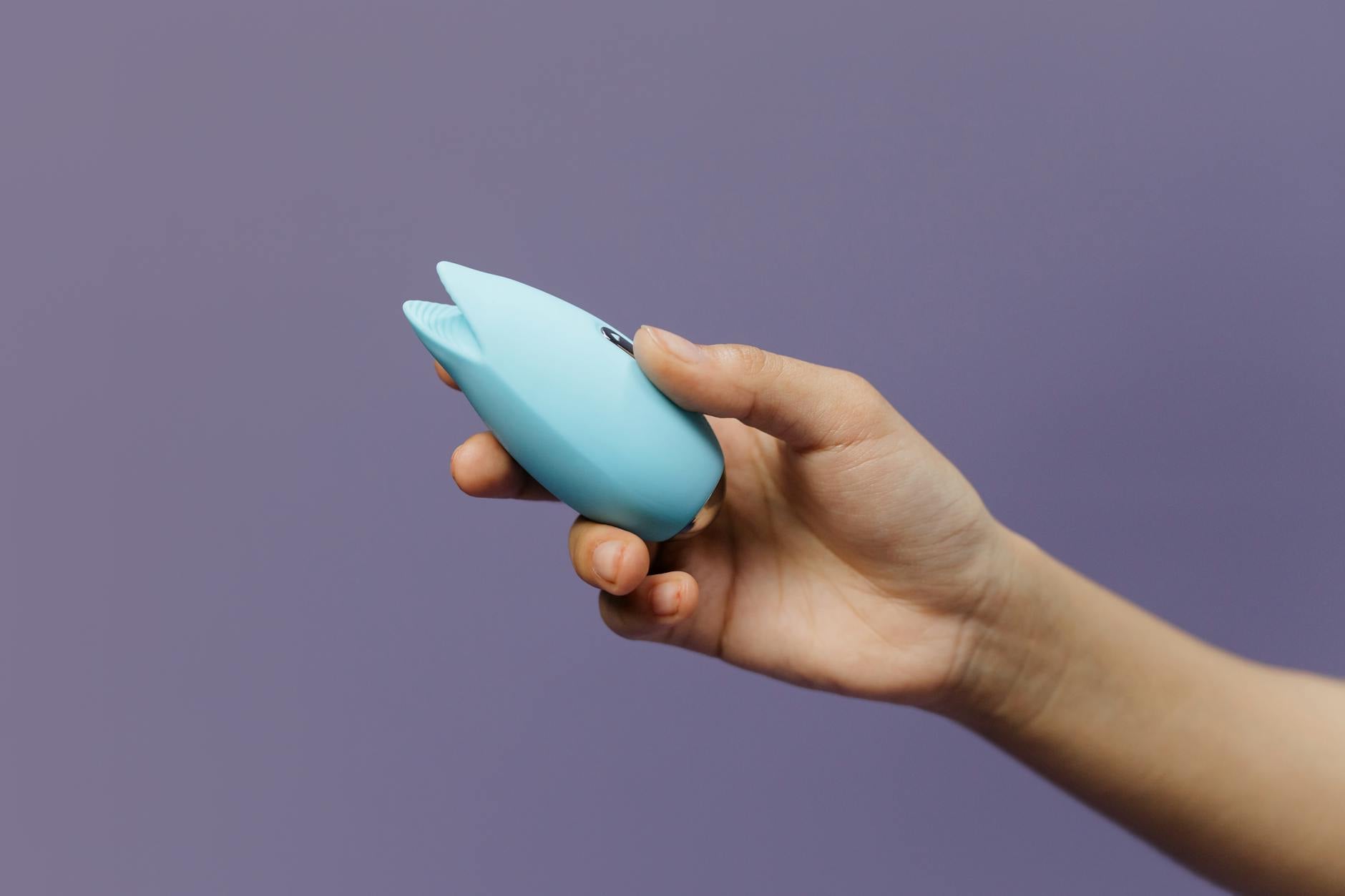
Using a lemon clitoral vibrator together during this phase does three things at once. It takes pressure off performance (you're not entirely dependent on what your partner's hands can do). It reintroduces your bodies to pleasure in a low-stakes way. And it opens a conversation about what actually feels good now, not what used to.
Why the gap changes sexual communication
When you've been apart for months or years, one of two things usually happens. Either you pretend the time didn't matter ("we'll just pick up where we left off") or you treat each other like new partners (tentative, careful, almost strangers in bed). Both miss the actual situation: you know each other deeply, but not in this moment, in these bodies.
Sex after a long gap is awkward partly because it's supposed to be. That's not a failure. Awkwardness means you're paying attention instead of running on autopilot.
A lemon vibrator enters this space as a useful bridge. It's new enough to feel exploratory. It's concrete enough that you can talk about it without getting trapped in vague emotional language ("I'm not sure if I'm ready" becomes "This setting feels too intense" or "I want to try that tomorrow"). Specificity helps. It moves the conversation from feelings to sensations.
The conversation before you touch each other
Honestly, most couples skip this step. They assume they should just know, or they're embarrassed to ask. Skip it at your own expense.
Before you introduce a lemon sexual toy into solo or shared time, tell your partner three things:
One. What prompted you to think about it. "I've been reading about how these work, and I'm curious" is different from "I want to feel more during sex with you." Both are fine. One is about exploration; the other is about address a specific need. Know which you mean.
Two. What you hope it will help with. More pleasure? Easier orgasms? Just novelty and fun? Different arousals patterns? The first time you use a lemon vibrator with your partner should not be the first time you've told them what you actually want.
Three. What feels like too much, too fast. Some people love the idea of a partner holding a vibrator during sex. Others find it distracting. Some want to use it solo first. Some want their partner to use it on themselves while they watch. None of these is wrong. But you need to name it.
Starting with solo exploration first
If you've been apart for years, reintroducing your body to sensation on your own is useful. It's not self-protection; it's homework. Use your lemon vibrator alone for a few sessions. Spend time on the different settings. Notice what feels good, what feels too intense, what builds slowly versus fast. This information is gold.
Why? Because when your partner asks "What do you like?" you'll have actual words instead of "I don't know, just don't stop." You'll know if you want rhythm consistency or variation. You'll know if you prefer deeper pressure or lighter suction. These details make partnered pleasure sharper.
If you're using a lemon clitoral vibrator for the first time solo, start on a lower setting and work up. Your tissues might feel sensitive after time away from regular stimulation. Lubrication matters, even if you think you don't need it. Water-based lube makes the experience smoother and prevents any friction discomfort.
When you use it together: the mechanics
There are roughly three ways to approach this. Pick one based on what feels safe.
Option one: You hold it, your partner watches. You're in control of speed and pressure. Your partner is present and engaged but not running the show. This works well if you're rebuilding trust or if you've been hurt. It's also a solid way to let your partner see what genuinely gets you going, which is educational for both of you.
Option two: Your partner holds it, you guide. You tell them where, how fast, what pressure. You get to lie back and receive while staying in command of the experience. This requires your partner to be patient and pay attention. If they can do it, it's worth it. It builds connection because you're literally teaching each other.
Option three: Simultaneous pleasure. You use a lemon vibrator on yourself while your partner touches you elsewhere. Or they use the lemon sexual toy on you while you touch them. This works if you're both comfortable with novelty and already reasonably sure what you each like.
Start with option one or two. Option three comes later, once you've rebuilt some of the physical vocabulary.
The pacing matters more than the intensity
Here's something that surprises couples: after years apart, arousal often needs more time to build, not more intensity. Your bodies remember desire, but the pathway is longer. Starting with a lemon adult toy at a medium setting instead of jumping to the highest one usually works better.
Set aside at least 20-30 minutes. Not all of it needs to be with the vibrator. Touch each other. Kiss. Let your body temperature and heart rate rise on their own before you reach for the toy. Then use it for 10-15 minutes. The buildup matters more than the grand finale.
Many couples report that their first experiences are tender, not wild. That's exactly right. You're not trying to prove anything. You're learning each other again.
The "it's not working" moment and what to do
Sometimes the lemon vibrator doesn't produce the results you expected. Maybe the sensation feels strange. Maybe one of you feels self-conscious. Maybe you're both trying too hard.
This is normal. Pause. Breathe. Ask what's happening. "Does this feel good?" "Do you want to keep going?" "Should we try a different approach?" These questions are not failures. They're the opposite of failure. They're how you rebuild authentic intimacy instead of performing it.
If the vibrator itself feels odd, try a different setting. Try a different angle. Try it with more lube. Try it on their skin while they're clothed. Try it with your bodies in a different position. The goal is sensation, not checklist completion.
Reintroducing pleasure takes time
You don't rebuild sexual intimacy in one session. You rebuild it across weeks and months of showing up, staying curious, and being willing to feel awkward together. A lemon vibrator is one tool in that process. It's not the thing that fixes the gap. You are the thing that fixes the gap, by being present and honest with each other.
Read more about how to use a lemon vibrator when reconnecting with pleasure after a relationship break to explore other frameworks for rebuilding. And if you're navigating desire differences, this guide on using a lemon vibrator when your partner's libido differs significantly might help too.
The beautiful part of reuniting with a long-term partner is that you already know each other in ways new couples don't. You've survived something together before. Rebuilding pleasure together now is just another way of proving that you're worth the effort.
Frequently asked questions
Should we use a lemon vibrator right away when we reunite, or wait?
There's no universal timeline, but I usually suggest waiting until you've had non-sexual physical intimacy again. Cuddling, kissing, holding hands, sleeping in the same bed. Let your nervous systems remember safety first. Introducing a toy into that context, once you're both wanting to explore, feels less jarring than leading with it.
What if my partner is uncomfortable with using toys at all?
That's information you need. Ask why. Is it a religious or cultural value? A past experience? Concern that it means something about your attraction to them? Different reasons need different conversations. If they genuinely don't want toys, don't use one. If they're nervous, you can build comfort by introducing the idea slowly, showing them how it works, or suggesting they use it on themselves first before any partner play.
How do I bring a lemon clitoral vibrator into sex without making it seem like their hands aren't enough?
That framing happens in your head, not in reality. Bringing a vibrator into shared pleasure isn't criticism of your partner's touch. It's expansion. You're saying "I want this experience with you, and this tool makes it possible." Pair it with words: "I love when you touch me. I also want to try this together." Specificity prevents misinterpretation.
Can we use a lemon vibrator during intercourse?
Yes, if you want to and your bodies cooperate. A lemon sucker vibrator works well for clitoral stimulation during penetrative sex because the suction sensation doesn't interfere with penetration the way some vibrators do. Start with positions where you have easy access (your partner on top or you on top) and use water-based lube generously. Talk through it: go slow, adjust angles, communicate what feels good.
What if one person orgasms quickly and the other doesn't?
That's the entire reason toys exist. If your partner comes quickly but you need longer, there's no shame in them using a lemon vibrator on you afterward, or at the same time in a different way. Or you use it on yourself while they recover and hold you. The goal isn't synchronized timing. It's that both people get to experience pleasure during the session.
Is it weird to use a toy if we've been together for years?
Not even slightly. Couples who've been together a decade or more often introduce toys because they already have deep trust and communication. If anything, the gap time gives you an excuse to explore together like you're new, which can feel genuinely playful.
References
Gottman, J., & Silver, N. (2015). The Seven Principles for Making Marriage Work. Harmony. Principles of emotional attunement and sustained dialogue underpin reconnection.
Perel, E. (2006). Mating in Captivity. HarperCollins. Framework for maintaining desire and curiosity in long-term partnerships, relevant to post-separation reunification.
Taormino, T. (2018). The Ultimate Guide to Sex and Disability (Third Edition). Cleis Press. Practical guidance on adaptive pleasure practices and communication.