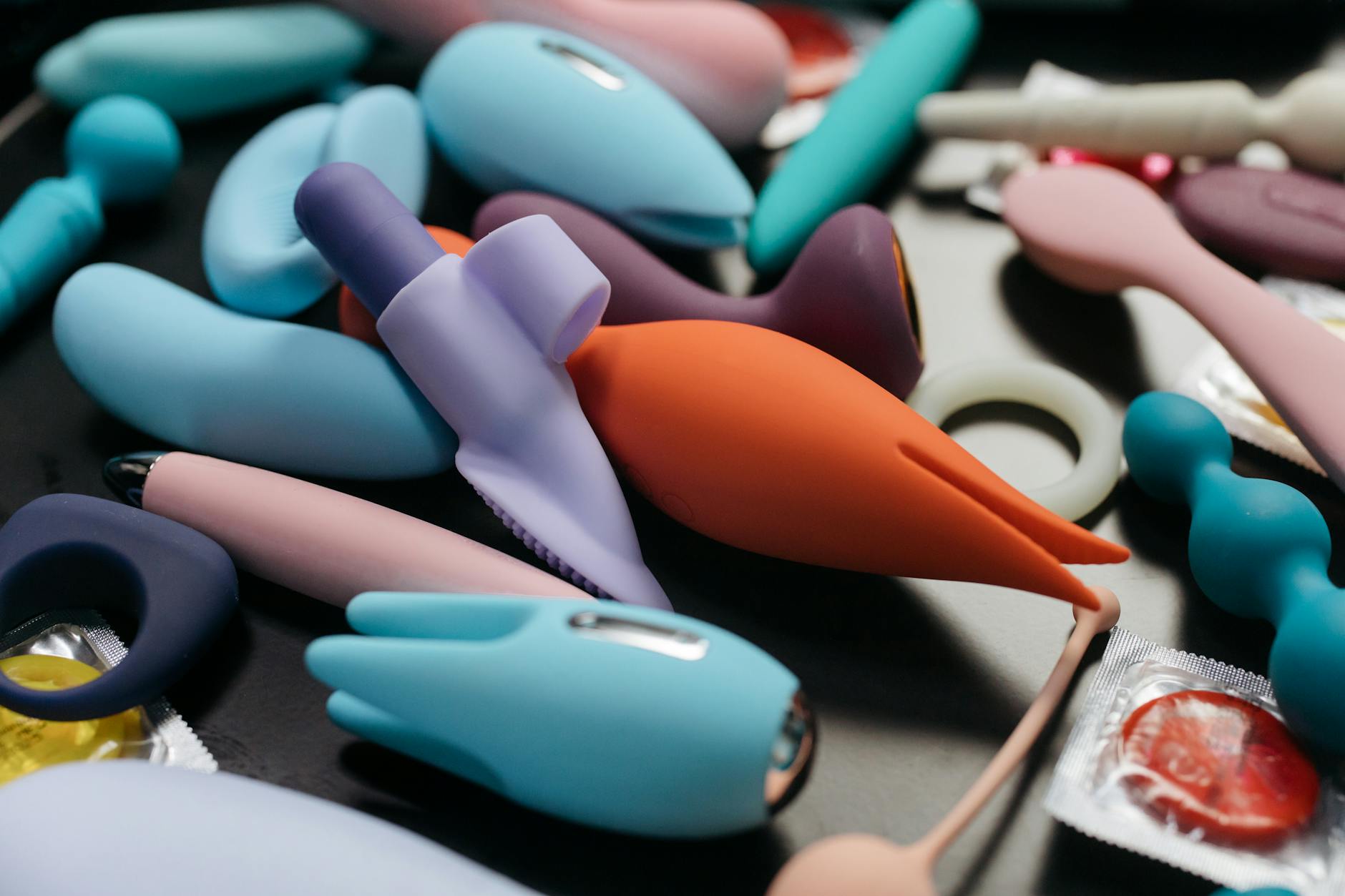
Here's what I hear most often in my office
Someone sits down and says, "I want to feel normal again. I want to want sex again." After a breakup, especially one that was painful or long, pleasure can feel like a stranger. Not because something's wrong with you. Because your nervous system is still healing. Your brain is learning to feel safe again.
A lemon vibrator is not a magic fix. But it's a tool that can help you rebuild that relationship to your own body, at your own pace, without the performance anxiety that partnership sometimes brings.
Why pleasure gets stuck after a breakup
When a relationship ends, your body doesn't immediately get the memo. For months or years, sex was tied to someone else's presence, someone else's desire, someone else's schedule. Your nervous system learned to activate on cues tied to that person. Without them, arousal can feel blocked, unreachable, or worse, guilty. Some people feel relief at first. Others feel numb. Both are totally normal.
There's also the shame piece. If the relationship ended badly, or if sex was a source of conflict, pleasure can feel tangled up with hurt. You might worry that wanting pleasure again means you're "getting over it too fast" or that you didn't take the relationship seriously. I promise you, neither is true.
Why lemon vibrators work for anxiety-driven pleasure blocks
Clitoral vibrators like the Lem are different from penetrative toys or wand vibrators. They don't ask for anything. They're not dependent on a partner's rhythm or presence. You control the intensity, the pattern, the duration. That autonomy is huge when you're rebuilding trust in your own body.
The suction technology on clitoral vibrators means you're not fighting friction or numbness. The stimulation is consistent, predictable, and gentler than direct vibration on sensitive tissue. For people coming back from emotional trauma or anxiety, that predictability is calming. Your nervous system doesn't have to brace for surprise or sudden shifts. It can relax.
Second, there's no performance pressure. Solo pleasure is only about what feels good to you. No one's waiting. No one's disappointed if it takes longer tonight. No one's judging if you need to stop halfway through. That safety is where healing actually happens.
Preparing your body and space
Before you even touch a toy, set the environment up right. Anxiety thrives in rushed or scattered spaces. Lock the door. Put your phone on do-not-disturb (not just silent—off the table entirely). Set a timer if that helps, knowing you have a full hour, not 10 stolen minutes.
Warm up your nervous system first. Not your genitals. I mean your whole body. A warm shower, a few minutes of gentle stretching, or a walk around the block. Something that signals safety to your brain. Deep breathing works too. In for four, hold for four, out for six. The exhale being longer than the inhale tells your vagus nerve to downregulate. You're not in danger. You're allowed to feel good.
Then, if you want to use lube, use it. Water-based is gentler on most tissues. This isn't a technical detail. It's another signal that you're worth caring for. You deserve ease here.
Starting with the Lem (or any clitoral vibrator)
When you first hold it, don't turn it on yet. Just feel the weight in your hand. Notice the material. Is it warm? Cool? Smooth? This is connection. Your brain needs permission to notice pleasure in small increments. You're not trying to come. You're trying to remember how to feel.
When you do switch it on, start at the lowest setting. The Lem has multiple patterns and intensities. You're not hunting for the "right" one. There is no right. You're exploring what your body needs today. Intensity might change day to day. That's not failure. That's information.
Place the toy gently against your clitoris. The suction will create a slight seal. If that feels too intense, pull back slightly. You're learning the edge of comfort. Many people find that rocking the toy slightly, rather than pressing it hard, feels better when they're starting out or when anxiety is present.
Breathe. Really breathe. When we're anxious, we hold tension in the pelvic floor. That tension makes sensation harder to feel. If you notice yourself clenching, pause, take three deep breaths, and try again.
What to do if anxiety spikes mid-session
Your mind might go to your ex. To the relationship. To thoughts about whether you should be doing this. To worry that you're taking too long. To guilt. All of this is normal. It's not a reason to stop. It's a sign that your nervous system needs reassurance.
When a thought arrives, acknowledge it like you're waving at a passing car. "There's that thought." Then return your attention to physical sensation. What does the toy feel like right now? What temperature is your skin? Is your breathing fast or slow? These anchoring questions bring you back to your body, which is where pleasure lives.
If anxiety really spikes, stop. This is not failure. This is your body telling you it needs more time. Put the toy down, drink some water, maybe move around. Tomorrow is always available. There is no deadline for rebuilding pleasure.
Building a routine without pressure
Pleasure rebuilding isn't about frequency. It's about consistency. If you can do this twice a week, in a calm space, with no expectations about orgasm or intensity, that's enough. Over weeks, your nervous system will start to associate this time with safety. Your brain will begin to downregulate its threat response when you touch yourself. That's the actual goal.
Some people find it helpful to combine this with other self-care. A few minutes of a favorite song before. A journal entry after, if that helps you process. A cup of tea. Pleasure isn't just physical. It's about creating a ritual that says "I matter. My comfort matters."
You might also notice that desire returns in stages. First, it's just willingness. Then curiosity. Then a genuine pull toward the sensation. That progression is healthy. You're not supposed to go from zero to orgasm in one session. You're rebuilding an entire system. Be patient with yourself.
When to explore with a partner again
This is individual. Some people want to experience solo pleasure fully before inviting a partner back into that space. Others feel ready faster. The rule is simple: only when you choose it, not when you feel pressured to prove you're "healed."
When you do explore with a partner, the Lem or other clitoral vibrators can stay part of your experience. Many couples find that having a toy in the room takes pressure off penetration. It's another way to create pleasure together without needing your body to cooperate in a specific way on a specific timeline. That's not settling. That's building something more honest.
The bigger picture
A breakup doesn't end your sexuality. It interrupts it. Your job right now isn't to be "normal" again or to prove you're over it. Your job is to remember that your pleasure is yours alone. It always was. It's just easier to remember that when no one else is in the room.
A lemon clitoral vibrator is a small tool. But in the hands of someone who's rebuilding, who's learning to trust their own body again, who's moving at their own pace, it can feel like permission. And that matters.
FAQ: Pleasure, anxiety, and getting back to yourself
Can I use a lemon vibrator if I'm still grieving the relationship?
Absolutely. Grief and pleasure aren't opponents. You can be sad about the relationship ending and still want to feel good in your body. In fact, reclaiming pleasure is often part of the grieving process. It's a way of saying "this person is gone, but I still exist. I still deserve to feel good." That's not disrespect. That's survival.
What if I can't orgasm, even with the vibrator?
Orgasm isn't the goal here. Sensation is. Presence is. If you never reach orgasm during this rebuilding phase, that doesn't mean the tool isn't working. You're still rewiring your nervous system, still learning to feel safe in your own body, still undoing the nervous system activation that came with the relationship. The orgasm will come back, or it might look different. But the real work is learning to enjoy pleasure without outcome.
Is it weird to use a toy when I'm not in a relationship?
No. Pleasure is a human need, not a couple benefit. Solo pleasure is valid, powerful, and something I encourage in my practice. It teaches your body what you like. It takes pressure off future partners to somehow know your body instinctively. And it gives you an outlet for joy and stress relief that doesn't depend on anyone else's availability.
How long until pleasure feels normal again?
Every timeline is different. Some people feel reconnected in weeks. Others take months or longer, especially after difficult breakups. The variable isn't the vibrator. It's your nervous system's recovery pace. Be honest about what you've been through, then give yourself at least that much time to heal. If after 3 months of consistent, gentle exploration you're still feeling completely numb or anxious, talking to a therapist who specializes in sexual recovery can help.
Can I use the Lem with a partner later, or does that change it?
Not at all. Many couples use clitoral vibrators together. The fact that you've used it solo first is actually an advantage. You know what you like. You can guide your partner. You're not discovering your own body for the first time in front of someone else. That clarity makes partnered pleasure easier, not harder.
What if pleasure feels selfish right after a breakup?
That's the grief and the cultural conditioning talking. You've been taught that pleasure is for couples, for special occasions, for when you've "earned" it. That's not true. Your body doesn't owe anyone suffering. Taking care of your own pleasure is self-respect. It's also a form of grief processing. You're saying yes to yourself when the relationship has ended. That's brave. Keep going.
Your next step
Start small. Tomorrow, or whenever you feel ready, set aside 20 minutes in a space where you feel safe. No expectations. Just exploration. If you want to learn more about rebuilding confidence after relationship transitions, the resources on the contact page can connect you with deeper support. Pleasure rebuilding is sometimes a journey that benefits from professional guidance. There's no shame in that.