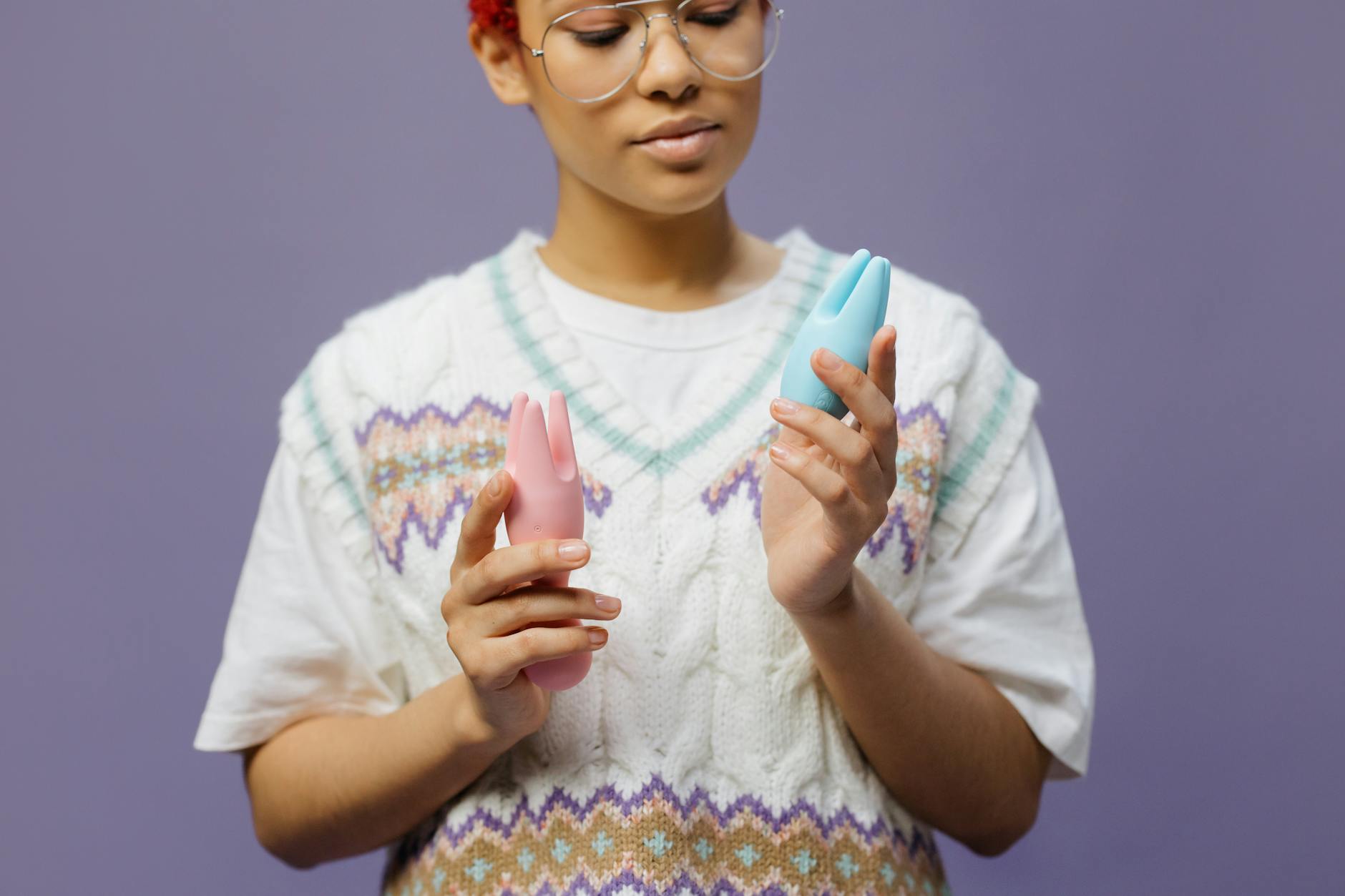
Here's what nobody talks about
Performance anxiety during sex isn't really about sex. It's about control, self-worth, and the terror that your body will betray you in front of someone you care about. Whether you're worried you'll finish too fast or not fast enough, the mental noise becomes so loud that actual pleasure gets crowded out entirely.
There's a reason this matters: when anxiety takes over, blood flow gets redirected away from your genitals and toward your fight-or-flight systems. Your body literally becomes less responsive. Which makes you more anxious. Which makes you less responsive. The cycle gets worse from there.
Lemon vibrators and other clitoral vibrators break this cycle in a way that nothing else quite does.
Why performance pressure kills arousal in the first place
Let me be direct. When you're lying there thinking "I need to last longer" or "I'm taking too long," your brain isn't focused on sensation. It's running commentary. Performance anxiety redirects your attention away from what your body is experiencing and toward judgment of how your body is performing.
Clinically, this is called "spectatoring." You're watching yourself rather than inhabiting yourself. The research is clear: spectating destroys arousal in people of all genders.
The other piece is power dynamics. If one partner is focused on their own performance timeline, the other partner often becomes hyper-aware of their own timeline too. Suddenly you're both in your heads instead of present together. That tension makes it harder for both of you to relax into actual pleasure.
How a lemon vibrator changes the script entirely
When you introduce a lemon clitoral vibrator into partnered sex, the whole dynamic shifts. Here's why.
First, it removes the timeline pressure from penetration alone. If a partner with a clitoris has a lemon vibrator or other clitoral vibrator working, penetration becomes optional rather than the main event. The vibrator is already providing consistent, predictable stimulation. That person can experience orgasm independently of their partner's timing. Which means the partner can relax about their own speed and duration.
Second, it gives both people agency. Instead of one person worrying about performance, you're both actively engaged with a tool. The lemon sucker or clitoral vibrator becomes a partner in the conversation rather than a prop. You're collaborating, not competing with a clock.
Third, and this is the quietest benefit, it works. Lemon vibrators are specifically designed for clitoral stimulation through gentle suction rather than direct vibration. They're consistent, powerful, and they don't require the same kind of friction and intensity that can make everything feel more pressure-focused and goaloriented. Many people find it easier to relax into pleasure with a lemon vibrator precisely because the sensation is so direct and reliable.
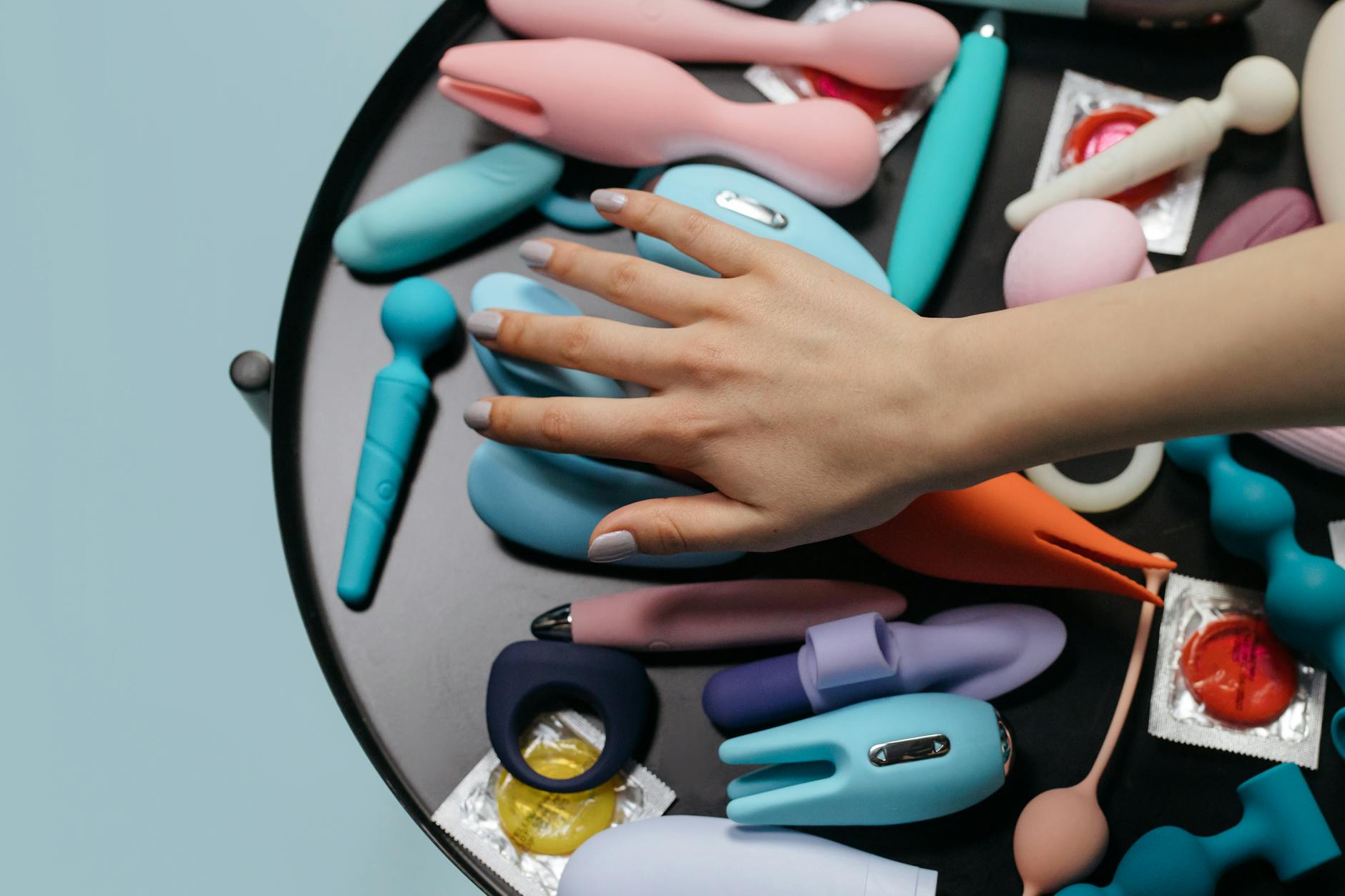
Photo by cottonbro studio on Pexels
The specific mechanics of why this works for anxiety
When performance anxiety is running, your nervous system is stuck in sympathetic activation. That's your fight-or-flight state. You need to downshift into parasympathetic activation, where your body actually feels safe enough to become aroused and reach orgasm.
Lemon vibrators help because they do something simple: they deliver a sensation that doesn't require your participation or control. You're not managing anything. You're just receiving. For someone whose brain is locked in performance-manager mode, that shift is huge. The vibrator is doing the work. You don't have to earn it or prove it or maintain it.
This is also why talking about it beforehand matters so much. If introducing a lemon vibrator or clitoral vibrator feels like a rejection or a judgment, it reinforces anxiety rather than relieving it. But if both partners approach it as "Let's use this tool to help us both relax," the message your nervous system receives is entirely different.
What the research shows about pleasure and shared tools
Studies on couples who incorporate vibrators consistently show lower rates of sexual dysfunction across the board. Not because vibrators are magic, but because they reduce performance pressure and increase pleasure for at least one partner, which tends to reduce anxiety overall.
The other finding that matters: couples who use toys together report higher satisfaction and lower sexual anxiety than couples who either avoid toys or use them secretly. The transparency and shared ownership of the tool itself reduces the shame and secrecy that often fuels performance anxiety.
When you're using a lemon vibrator together, you're also getting data. You can see and feel what's working. That feedback loop replaces catastrophizing. Instead of "Am I doing this right?" you get "Oh, that pattern feels good, let's do more of that." Information beats anxiety almost every time.
How to introduce this without adding more pressure
The key is framing. Don't lead with "I think we need this because something's wrong." Lead with "I want us both to feel amazing, and I've been reading about how lemon vibrators can help us both relax more."
Make it about pleasure expansion, not problem-solving. Make it about both of you, not about either of you separately.
Start by using the lemon sucker or clitoral vibrator on your own, if that feels comfortable. Show your partner that you enjoy it. Let them see you present and connected to your own pleasure. That's powerful information. It tells them: this isn't weird, it's not a rejection, it's just good.
When you use it together, start slow. There's no rush. Let your nervous system settle. The whole point is to reduce pressure, so move at whatever pace feels good, not at any timeline you think you should hit.
When performance anxiety signals something deeper
If anxiety is chronic and significant, a lemon vibrator or any vibrator is a helpful tool but it's not therapy. It's worth talking to someone trained in sex-positive couples work or individual therapy focused on performance anxiety. Sometimes the anxiety isn't really about sex at all. Sometimes it's about trust, about feeling worthy of pleasure, about grief or past experience.
A good therapist can help you locate what's really driving the anxiety. A good vibrator can help you practice receiving pleasure while you're doing that deeper work.
The wider permission this gives you both
Here's what I see most often in my practice. Once a couple introduces a lemon vibrator and both partners relax into it, something else opens up. Permission. Permission to be present rather than perfect. Permission to prioritize actual sensation over an imagined performance. Permission to ask for what feels good instead of performing what you think should feel good.
That permission starts to spread into other parts of your sexual life. And honestly, into other parts of your relationship too.
The lemon clitoral vibrator isn't solving a problem. It's removing an obstacle. The pleasure was always there. The capacity was always there. The anxiety was just in the way.
People also ask
How does using a vibrator help with premature ejaculation concerns?
A vibrator shifts the dynamic so that penetration isn't the sole source of pleasure or the main event. When a partner with a clitoris is being stimulated by a lemon vibrator or other clitoral vibrator, the person with a penis can actually last longer because the pressure is off. They're not racing against a timeline anymore. Plus, knowing their partner is already experiencing reliable stimulation takes the mental weight off performance entirely.
Can lemon vibrators actually reduce sexual anxiety?
They can help reduce the anxiety specific to penetrative sex timing and performance, yes. They do this by removing the pressure from one person to "deliver" orgasm through penetration alone. Whether they reduce deeper, underlying anxiety depends on what's driving that anxiety. A lemon sucker gives you a tool to practice pleasure in a lower-stress way, which can help rewire some anxiety patterns. But if anxiety is rooted in trauma, trust issues, or body image, working with a therapist makes sense alongside using vibrators.
What's the difference between a lemon vibrator and a regular vibrator for performance anxiety?
Lemon vibrators use suction-based stimulation rather than direct vibration, which many people find feels gentler and more indirect. That can actually make them easier to relax into if you're anxious, because the sensation is less intense and less demanding of your active participation. You're receiving a consistent sensation rather than managing a more aggressive vibration. That passive receiving can help shift your nervous system out of performance mode.
Should I use a clitoral vibrator alone first before using it with my partner?
It helps, especially if you're anxious about the whole thing. Getting comfortable with how a lemon vibrator feels, what patterns you like, and what intensity works for you takes the mystery out of it. Then when you introduce it with your partner, you're not also trying to figure out the device at the same time you're trying to manage your anxiety about their reaction. You already know it feels good. That confidence matters.
How do I talk to my partner about using a lemon vibrator if we've never used toys before?
Lead with what you want for both of you, not what's wrong with either of you. "I've been reading about how lemon clitoral vibrators can help us both relax more, and I'd love to try one together" is a completely different message than "I think we have a problem we need to fix." Make it about expansion and exploration, not repair. And be prepared for them to need time to think about it. That's normal and okay.
Can a lemon vibrator help if I'm worried about taking too long to orgasm?
Absolutely. If you're the person taking longer to orgasm, a lemon vibrator gives you direct, consistent stimulation that your partner doesn't have to physically provide. That removes pressure from both of you. Your partner isn't lying there wondering if they're doing something wrong. You're not anxious about "how long this is taking." Everyone can just focus on the sensation and connection instead.
Performance anxiety thrives in silence and shame. It dies in collaboration and communication. A lemon vibrator isn't the solution to every sexual concern, but it's a remarkably simple way to reframe the dynamic from "me versus my body" to "us together with a tool that feels good." That shift in framing changes everything.
If you're curious about trying this but not sure where to start, reach out. We can talk through what might work best for your specific situation.