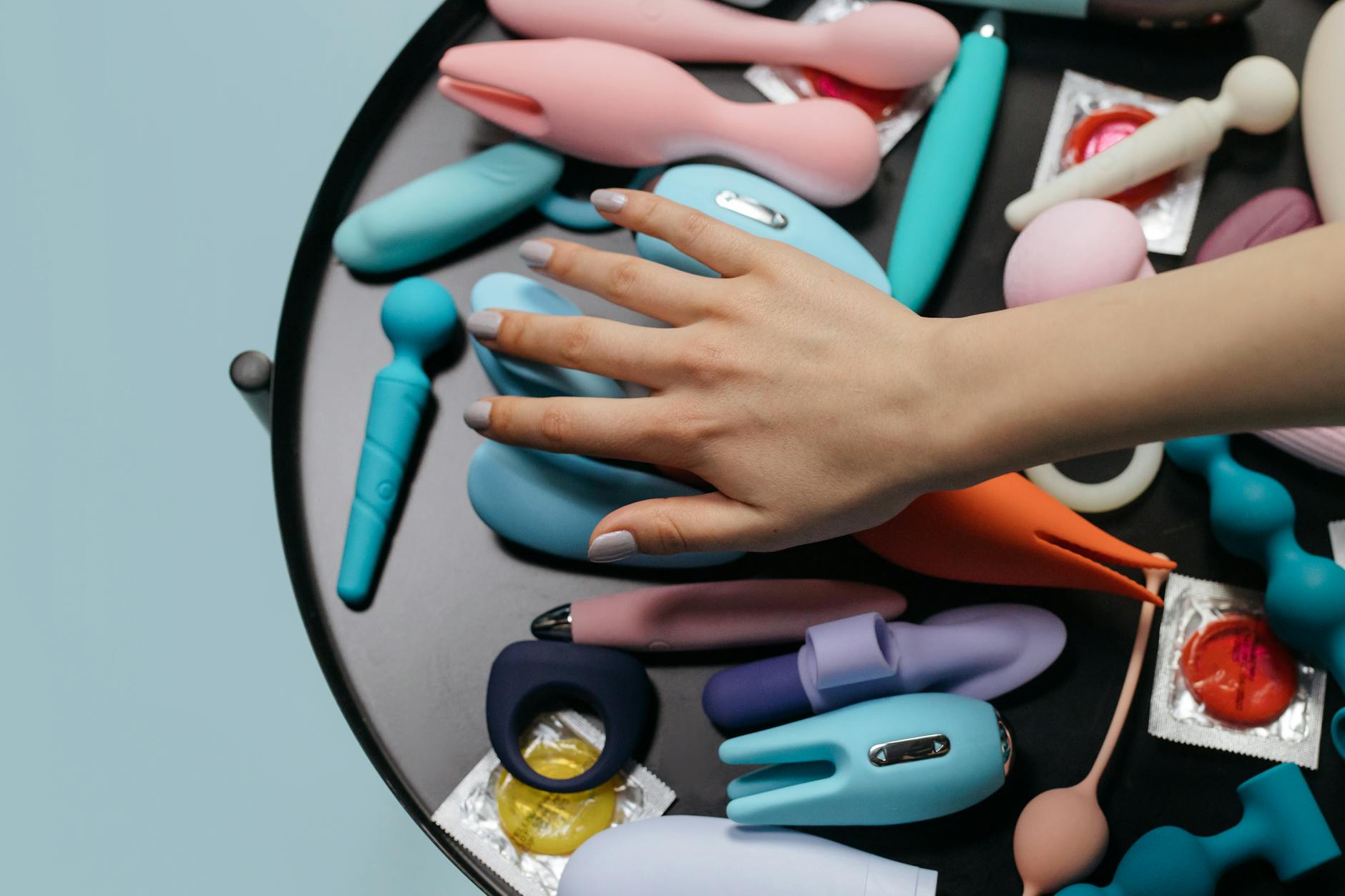
Let's talk about the plateau
You start using your lemon vibrator and it feels incredible. Sensation builds. Your body responds. Then somewhere between week two and month three, something shifts. The same pattern that used to send you over the edge now feels... pleasant? Numb? Like you're chasing something that keeps moving away.
You're not broken. Your lemon clitoral vibrator didn't suddenly stop working. What happened is your nervous system got efficient. And honestly, that's actually something we can fix.
How your body adapts to sensation
Your clitoris has around 8,000 nerve endings packed into a tiny area. Those nerves are wildly sensitive, which is why a lemon sucker like the Lem works in the first place. But here's the catch: those same nerves are also designed to adapt quickly to consistent input.
It's called habituation, and it happens to every sensation your body receives. You stop noticing the feel of your clothes against your skin. You stop hearing background noise in your home. Your nervous system is basically saying, "Okay, this signal isn't new anymore. I don't need to scream about it." When the same suction pattern hits your clitoris night after night, your body learns to tune it down.
This isn't a sign you need a stronger toy. It's a sign your nervous system is doing its job really efficiently.
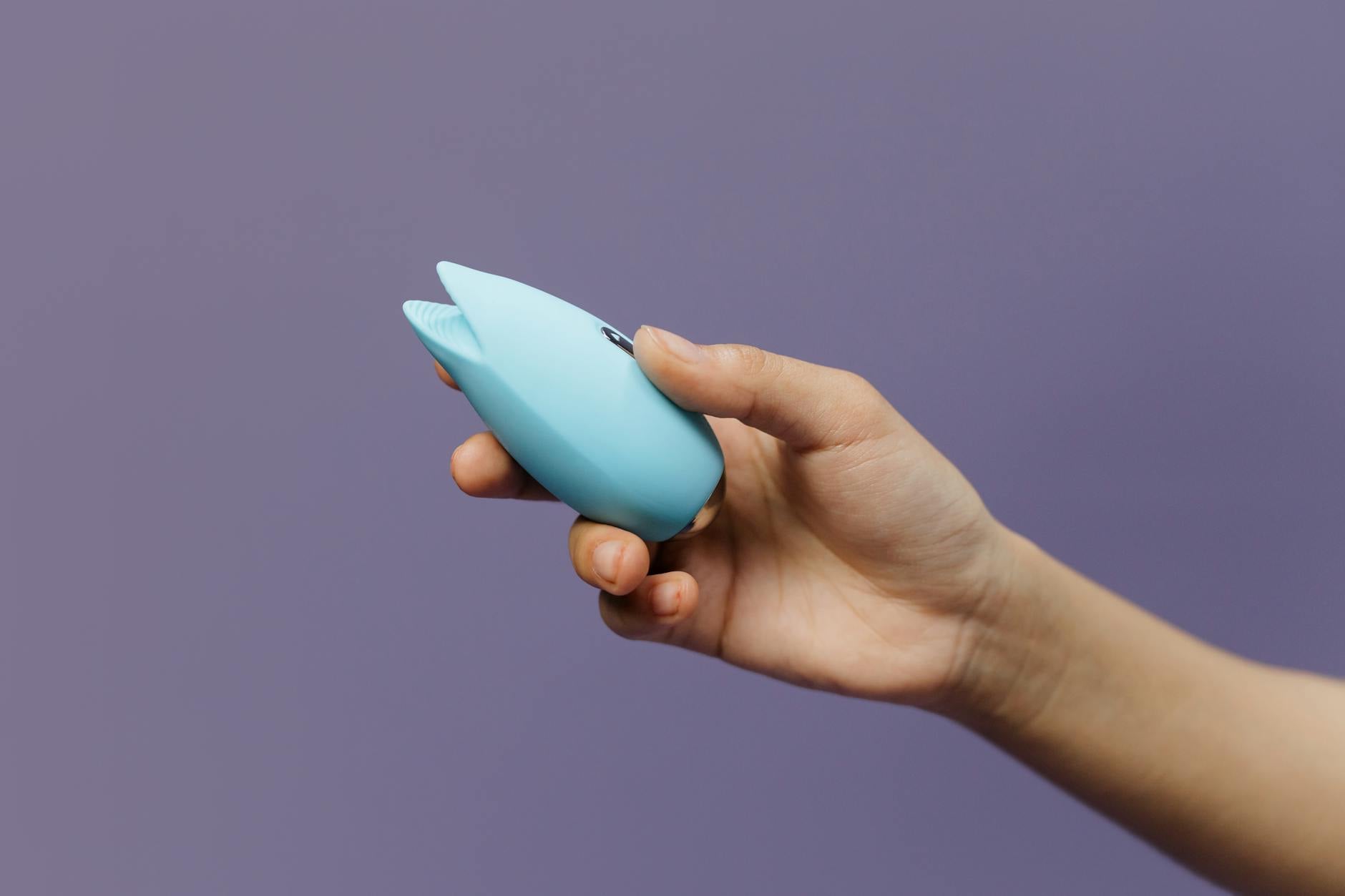
Photo by cottonbro studio on Pexels
The intensity trap
Here's where most people go wrong: they assume plateau means they need to turn up the dial. So they jump from pattern 2 to pattern 6 on their lemon vibrator. It works. Temporarily. Sensation spikes again. But three weeks later? The plateau returns, sometimes stronger than before.
What's happening is you're training your nervous system to need higher and higher intensity to register pleasure. This is a real phenomenon called sensory sensitization, and it's the opposite direction of where you want to go. You end up with a device that needs to be at maximum intensity just to feel baseline good, which isn't sustainable and definitely isn't fun.
The smarter move is to vary the input, not escalate it.
Technique 1: Pattern rotation
Your lemon clitoral vibrator probably has somewhere between 5 and 12 different patterns. Chances are you've found your favorite and you live there. Stop. Try this instead:
Spend one session with only pattern 1. Notice what it feels like when your nervous system isn't expecting it. Spend the next session on pattern 4. Then pattern 7. Skip around. Use a different pattern every three to five sessions. Your brain needs novelty to stay engaged, and your clitoris doesn't care if that novelty comes from changing the pattern or changing the toy.
This works because variation literally resets the habituation clock. Your nervous system perks up. "Oh, this is new again." Sensation intensity rebuilds without cranking the device itself.
Technique 2: Intentional pauses
When you're using your lemon vibrator and feeling that plateau creep in, try this: pull back when sensation is just starting to build, not when you're plateaued. Stop. Wait 30 to 60 seconds. Let your nerves recalibrate. Then restart.
It sounds counterintuitive, but those pauses create tiny resets. Your nervous system's attention snaps back. When stimulation resumes, it registers as new input again. Some people find that even shorter pauses (10-15 seconds) work. Some need longer. Experiment.
This technique works especially well with suction-based devices like a lemon sucker because the sensation is so acute that even brief interruption creates noticeable contrast.
Technique 3: Location variation
Your clitoris has sensitive areas and less sensitive areas. Most people find their sweet spot and use the exact same angle, exact same pressure point every time. Your lemon clitoral vibrator can cover your entire clitoral complex. Try:
Session 1: Focus directly on the tip of your clitoris.
Session 2: Shift slightly to the left side.
Session 3: Move to the right.
Session 4: Try higher, where the clitoral hood sits.
Each location has slightly different nerve density and sensitivity. Moving around prevents habituation to any single point. It also helps you understand your own anatomy better, which is genuinely useful knowledge.
Technique 4: Break from the routine
If you're using your lemon vibrator three nights a week, try taking a week off. Or if you use it daily, skip three days. This isn't punishment. It's rest for your nervous system. When you return to your device, sensation will feel sharper and more noticeable. The plateau resets.
This is especially useful if you're in a pattern where you're using the device trying to reach sensation that's already fading. That's frustration masquerading as pleasure. A break interrupts that feedback loop and reminds your body what good sensation actually feels like.
What partner play changes
If you're using your lemon clitoral vibrator with a partner, variation becomes even more important because the psychological dimension shifts the equation. When someone else is controlling the device, when you're not sure what's coming next, your nervous system stays engaged in a way it doesn't during solo play.
Many people find that using lemon vibrators for blended orgasms in partner play actually prevents plateaus from building in the first place because the novelty is built in. If you've hit a plateau solo but haven't explored partner play, that might be the reset button you need.
When temperature matters
This is small but real: the temperature of your skin affects how you perceive sensation. If your clitoris is cold, sensation dulls. If it's warm, sensitivity spikes. Before using your lemon vibrator, spend a few minutes with your hand there, or use a warm compress, or even just adjust room temperature. That tiny shift in blood flow to the area can reignite sensation that feels like it's gone.
The mental piece
Here's the thing that nobody talks about: expectation affects sensation. If you're using your lemon sucker and you're already thinking "this won't work anymore, I've built up a tolerance," your nervous system is listening. Stress and anticipatory anxiety literally dull sensation.
Try reframing the plateau as information, not failure. Your body isn't broken. It's just sending you feedback that says "mix it up." That's actually useful data. Approach the variation techniques as an experiment, not a fix for something wrong. Permission to play, not pressure to perform, makes sensation sharper across the board.
Long-term sustainability
The people who stay engaged with their clitoral vibrators for years, not weeks, aren't using the same pattern the same way every time. They're rotating. They're pausing. They're varying location. They're taking breaks. They're treating their lemon vibrator like a tool that works best with intention, not a device you turn on and hope for the best.
This isn't complicated, but it does require paying attention. And honestly, that attention itself is part of what keeps pleasure alive.
FAQ
Why does my lemon vibrator feel less intense the more I use it?
Your nervous system adapts to consistent input through a process called habituation. When your clitoris receives the same sensation repeatedly, your nerves become less responsive to that exact pattern. This is a normal neurological adaptation, not a sign that the device is broken or that you've damaged your sensitivity. The fix is variation, not escalation.
Does taking a break from my lemon clitoral vibrator help reset sensation?
Yes. Taking a break from 3 to 7 days allows your nervous system to recalibrate and your sensitivity to rebound. When you return to the device, sensation will feel noticeably sharper. Longer breaks (1-2 weeks) produce even stronger resets, though most people find 3-5 days sufficient to disrupt a plateau cycle.
Can switching between different patterns on my lemon sucker prevent plateaus?
Absolutely. Pattern rotation is one of the most effective ways to prevent habituation. Your nervous system registers novelty, and varying patterns keeps your clitoris responsive without needing to increase intensity. Spend multiple sessions on different patterns instead of rotating daily for best results.
Is it normal to need stronger intensity over time with my lemon vibrator?
Feeling like you need higher intensity can signal that your nervous system has adapted to your current pattern. Rather than escalating intensity (which creates a longer-term problem), try varying your technique: different patterns, intentional pauses, different locations on your clitoris. Most people find sensation rebuilds without needing to turn the device up.
How long should I use my lemon clitoral vibrator to feel good without hitting a plateau?
Duration matters less than variation. Using your lemon vibrator for 10 minutes with pattern changes and pauses will feel more intense than 20 minutes of identical input. Focus on mixing up your technique rather than extending session length. Quality of attention beats quantity of time.
Does finding your perfect intensity level help with plateaus?
Yes. Knowing your baseline intensity preference gives you a framework for intentional variation. Once you understand your starting point, you can experiment with pauses, pattern changes, and location shifts without constantly chasing higher numbers. It's the foundation for everything that prevents plateau.
Your next move
If your lemon vibrator feels like it's stopped delivering, you don't need a new device. You need a new approach. Start with pattern rotation this week. Add intentional pauses next week. Notice what shifts. Your nervous system is capable of staying engaged if you give it novelty to work with. Pleasure isn't meant to be a flat line. It's meant to build, peak, and reset. That rhythm is what keeps it alive.