Let's talk about the thing your doctor probably didn't bring up
Most medical recovery guides tell you what you can't do. Nobody talks about what you might want to do and whether it's actually safe. Pleasure feels like it should be on hold during healing, but the truth is more nuanced. Your body can be in recovery and still deserve attention. The question isn't whether you should use a lemon clitoral vibrator during recovery, but rather when, how, and what your specific procedure means for your timeline.
I've worked with hundreds of people navigating this exact gap between medical clearance and actual readiness. What I've learned is that timing, communication with your provider, and understanding your body's healing stages matter far more than generic rules.
Understanding your healing timeline by procedure type
Not all medical procedures are created equal, and neither are their recovery windows for sexual activity. The key difference isn't just the surgery itself, but what tissue was affected and how deeply.
Gynecological procedures (like hysterectomy, endometrial ablation, or polyp removal) directly affect the vagina, uterus, or cervix. Most doctors recommend waiting 4-6 weeks before penetration and internal stimulation. But clitoral stimulation through a lemon vibrator works differently. If your procedure didn't involve direct clitoral contact and you're not experiencing pain or heavy bleeding beyond what's expected, external play might be cleared earlier. Ask your specific provider about external versus internal activity rather than assuming one blanket timeline.
Breast surgery (including reconstruction, reduction, or augmentation) doesn't involve genital tissue, but it does involve pain, swelling, and changed sensation. Your timeline here depends less on tissue healing and more on when touch becomes comfortable. Some people can engage with clitoral stimulation comfortably within 1-2 weeks post-surgery. Others find that the emotional and physical overwhelm means waiting longer makes sense, and that's equally valid.
Abdominal surgery (hernia repair, appendectomy, or other procedures involving your lower belly) creates scar tissue that needs time. Anything that increases core tension or puts pressure on incisions should wait until you're cleared for normal activity. Usually 4-6 weeks, sometimes longer for major surgery. Your lemon vibrator isn't contraindicated, but your overall physical state might not support the mental focus pleasure requires.
Pelvic floor physical therapy or treatment sits in a weird middle ground. If you're working with a PT, they might actually encourage gentle clitoral stimulation as part of your recovery once you've reached a certain phase. This is one case where your provider is your best informant. External stimulation with a lemon vibrator can sometimes help you understand where tension lives and practice the relaxation skills your PT is teaching you.
What "cleared for sexual activity" actually means
Here's where it gets tricky. When your doctor says you're cleared for sexual activity, they usually mean penetrative activity is medically safe. That doesn't automatically mean you're ready, and it doesn't mean all forms of pleasure are on the same timeline.
Clitoral stimulation with a lemon vibrator exists in a different category from penetration. It doesn't increase intra-abdominal pressure the same way. It doesn't stress healing tissue in the same way. But it does engage your pelvic floor, increase blood flow to your pelvic region, and require mental and physical presence. All of which have implications for healing.
Before you use a lemon clitoral vibrator, ask yourself three specific questions. First: Am I past the acute bleeding phase? If you're still managing bleeding beyond light spotting, internal tissues are still actively healing and your body is managing inflammation. Wait. Second: Can I be upright and alert without pain medication? This matters because medications mask pain signals, and pain signals exist for a reason during healing. You want to feel what's actually happening in your body. Third: Do I feel emotionally ready, or am I trying to reclaim normalcy before I actually want to?
The third question is the one most people skip. Medical recovery is traumatic, even when it's necessary and even when it goes perfectly. Your body has been through something. Your mind often needs time to process that separate from your body's physical timeline. A lemon vibrator will still be there in three weeks if you need it now but aren't ready. That's wisdom, not deprivation.
How to ease back in without harming your healing
If you've cleared the medical questions and you want to explore touch during recovery, here's how to approach it physically.
Start with exploration, not performance. You're not trying to have an orgasm. You're checking in with your body. Spend a few sessions with your lemon vibrator on the lowest setting, focusing on sensation rather than outcome. This tells your nervous system that pleasure is safe while you're healing and gives you information about where sensation feels good versus tender.
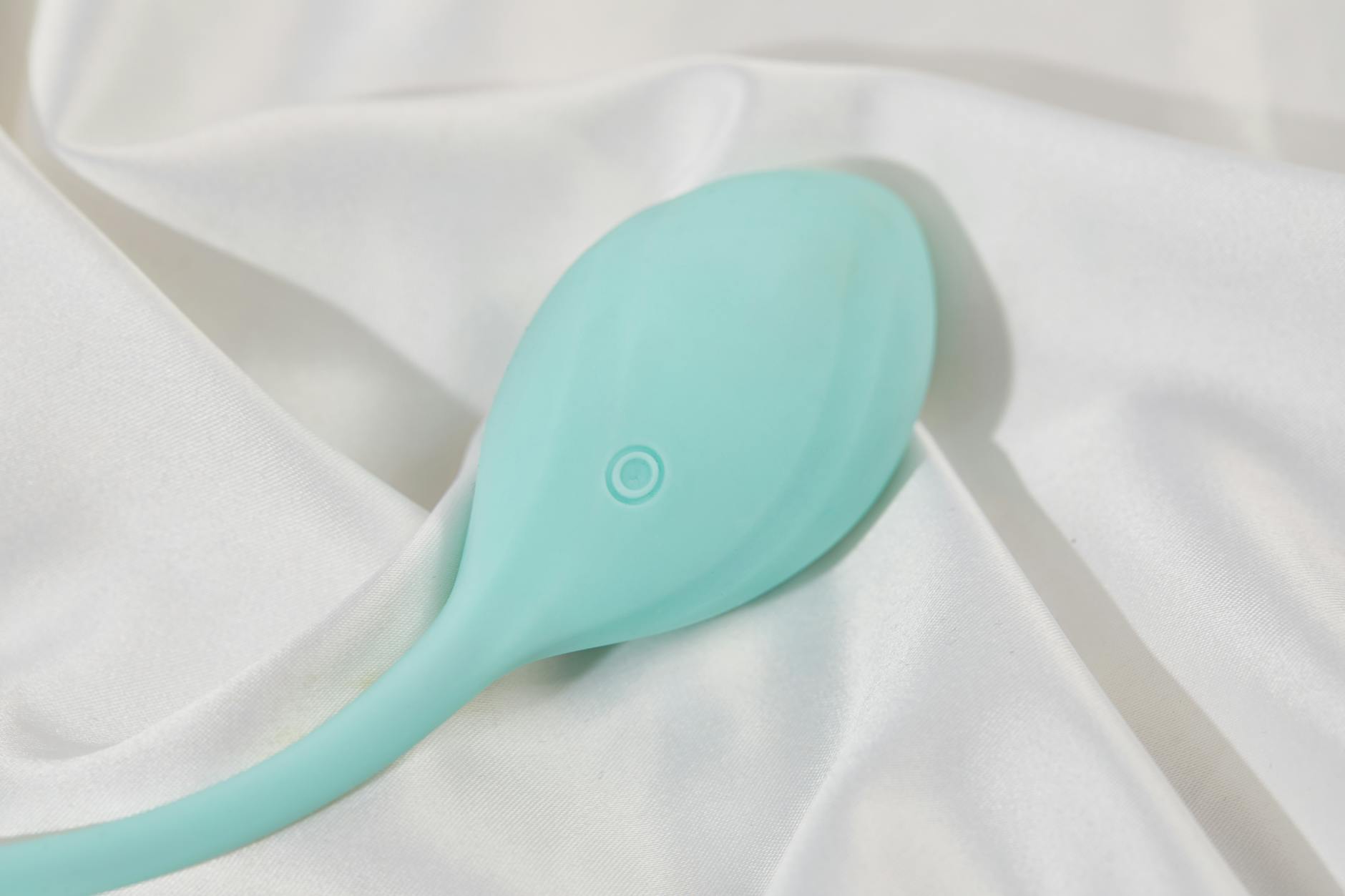
Position matters more than you'd think. If you're recovering from abdominal surgery, lying flat might feel uncomfortable because of core engagement. Reclining at an angle or side-lying takes pressure off your incision. If you're recovering from gynecological surgery, avoid positions that create internal pressure. The whole point of external clitoral stimulation with a Hello Nancy lemon vibrator is that it doesn't require penetration, so lean into that simplicity.
Duration and intensity should be conservative. Your nervous system is already managing healing. A 5-10 minute session on intensity level 1 or 2 is plenty. You're not building toward anything. You're reconnecting. If orgasm happens, great. If it doesn't, that's also normal during recovery. Your body might not be coordinated enough for climax while it's allocating resources to healing.
Temperature and sensitivity matter. If you've had any procedure involving your pelvic region, increased blood flow to the area might create sensations that feel different. That's normal. It can feel intense even at lower intensities. That's information, not a stop sign, unless it crosses into pain.
Hygiene considerations depend on your procedure. If your procedure involved internal work, keep external toys externally. Make sure your lemon vibrator is clean before use (warm soapy water is fine). Don't introduce anything that could carry bacteria into an area that's still healing. The same careful approach you'd take postpartum applies here.
When to pause and check with your provider
Some signals mean you should stop and reach out to your medical team.
If using a lemon vibrator triggers unusual bleeding beyond what you were already experiencing, that's a sign your body isn't ready. If you feel sharp pain rather than discomfort or slight tenderness, same message. If you feel dizzy, lightheaded, or your heart rate spikes in a way that feels wrong, pause. You're not failing. Your body is communicating that timing isn't right yet.
Emotional reactions matter too. If using a vibrator triggers anxiety, shame, or dysphoria that feels connected to your procedure or recovery, that's important information about what your body needs. Sometimes pleasure during medical recovery can feel like reclaiming yourself. Sometimes it feels like forcing normalcy before you're ready. Both are valid, and both deserve respect.
How partner presence changes recovery pleasure
If you're in a relationship, your partner's involvement during recovery adds another layer. Some people find that partner presence during pleasure reconnection is grounding and intimate. Others find that the vulnerability of recovery makes solo exploration feel safer first.
If your partner is involved, communication becomes even more critical. Your body is different right now. Sensations are different. What felt good before might feel overwhelming or tender now. Using a lemon vibrator with a partner during recovery works best when the focus is on connection rather than performance. Slowing down, checking in constantly, and being willing to pause or shift direction are all part of that.
The longer timeline nobody mentions
Physical clearance and emotional readiness are separate timelines. You might be medically clear to use a lemon clitoral vibrator after three weeks but feel genuinely ready at seven. Or vice versa. Your body's healing follows the medical timeline. Your psyche follows its own.
I recommend building in a buffer. Get medical clearance, then give yourself another week of observation. How does your body feel when you're not actively using a vibrator? Are you experiencing unexpected pain or bleeding? Has anxiety about the procedure settled? Are you sleeping better? These indirect measures tell you more about readiness than any calendar date.
Recovery isn't a race. Pleasure during recovery isn't a milestone. It's an option, available to you when your whole self is ready. That might be fast. It might take longer than the textbooks suggest. Both are normal.
People also ask
How soon after childbirth can I use a lemon vibrator?
Childbirth recovery is longer than most medical procedures because your body is managing tissue damage, hormonal shifts, and often sleep deprivation all at once. Vaginal birth usually means waiting 6-8 weeks before internal activity. External clitoral stimulation with a lemon vibrator might feel good earlier, usually around 4-5 weeks, but only if you're past heavy bleeding and feeling emotionally ready. Cesarean birth involves abdominal incisions, which means similar external timeline but potentially longer for anything that engages your core. Most importantly: your pelvic floor is working overtime. Start slow and listen to your body.
Can I use a lemon clitoral vibrator during recovery from pelvic floor physical therapy?
This is actually one case where your physical therapist might encourage it. Once you've learned to relax your pelvic floor properly, gentle external stimulation can reinforce that skill and help you notice where you still hold tension. Talk to your PT about timing and intensity, because they understand your specific needs. They might suggest using your lemon vibrator in a particular position or at a certain point in your healing cycle.
What if I feel pain when using a lemon vibrator after my procedure?
Stop immediately. Pain during healing is information your body needs you to hear. It doesn't mean you're broken. It means the timing isn't right yet. Sharp pain, burning, or intense tenderness all warrant reaching out to your provider. Mild discomfort or slight tenderness might just be your body reminding you it's healing. The difference is usually obvious. If you're wondering whether you should keep going, the answer is probably no.
Does a lemon vibrator suction feel different after surgery?
Yes. Your clitoral tissue might be more sensitive during healing due to inflammation or because your nervous system is heightened. Lemon vibrator suction works through gentle pressure rather than direct friction, which makes it gentler than traditional vibration during recovery, but you might want to start at intensity level 1 instead of your usual level. What felt perfect before recovery might feel intense or tender now. That's temporary and normal.
Can medical procedures permanently change how I respond to a lemon vibrator?
Sometimes yes, sometimes no. Some procedures create permanent changes in sensation or nerve pathways. Others feel different during recovery but return to baseline over time. The good news is that if your response does shift, a lemon clitoral vibrator's versatility usually means you can adapt. Different intensity levels, different positions, and different pacing often help you find what works with your changed body. And changed isn't worse. It's just different.
Should I tell my doctor I'm planning to use a vibrator during recovery?
If it helps you feel more secure, yes. Some providers are more knowledgeable about sexual recovery than others. You might get useful guidance, or you might get an awkward brush-off. Either way, you have the information you need. If you're not comfortable mentioning a vibrator specifically, you can ask about external sexual activity or when clitoral stimulation is safe. Your provider should respect those questions, even if they're slightly uncomfortable.
Recovery is still yours
Your medical team cares about whether your incision heals and your infection risk drops. That's their job, and it's important. But your pleasure, your body's sense of aliveness, and your connection to yourself matter too. Using a lemon vibrator during recovery isn't about rushing back to normal. It's about reclaiming a small piece of yourself while you're healing. That has value, separate from the medical timeline. Honor both your healing and your desire for reconnection. They're not in conflict. They're both part of moving forward.