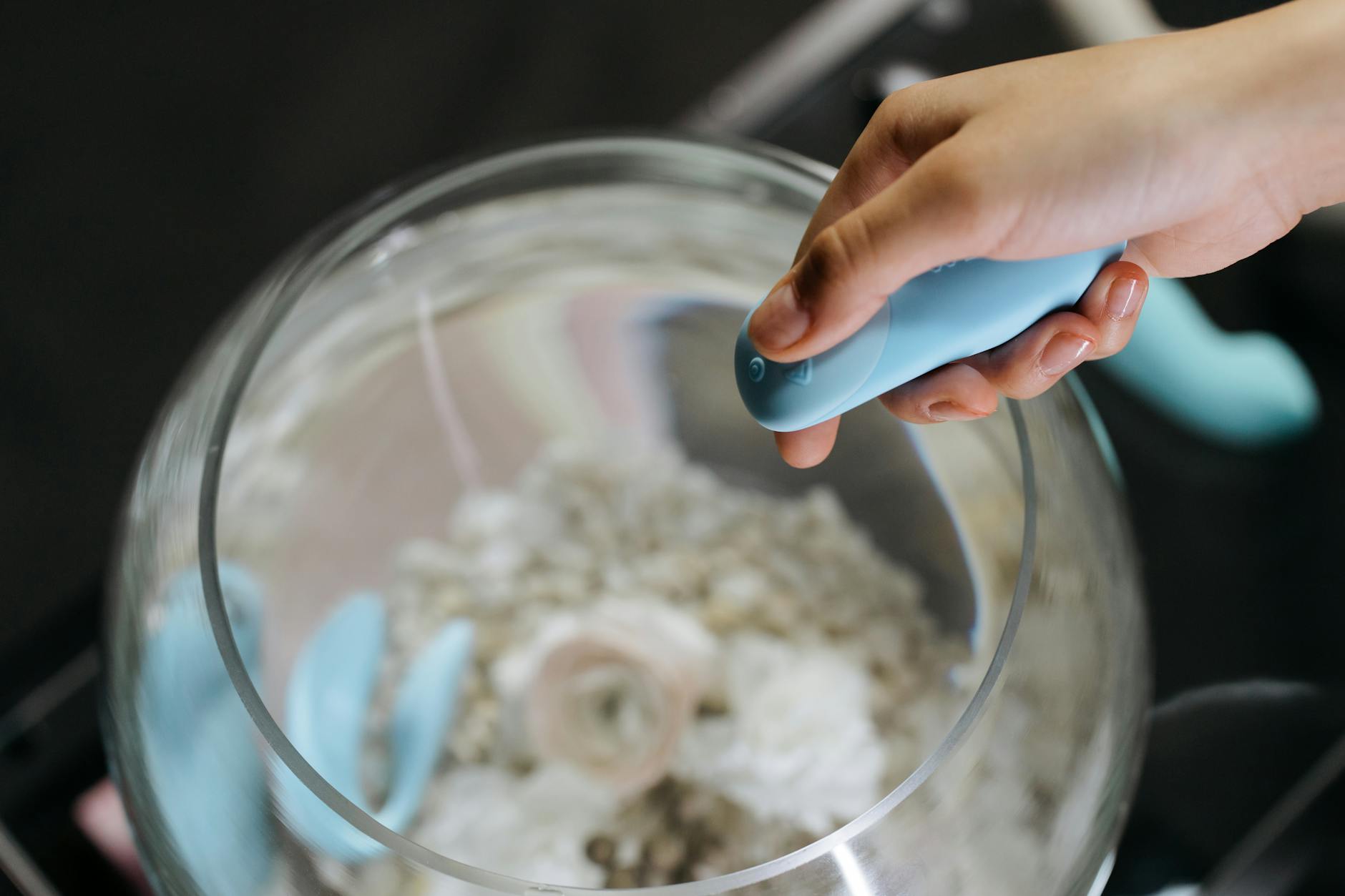
Let's talk about what no one tells you
Surgery on or around your vulva, vagina, or perineum is invasive. It's necessary sometimes, but it upends your relationship with your own body. And somewhere in the recovery instructions your doctor hands you, buried between "no heavy lifting" and "watch for infection," is usually something vague like "wait until you're healed before resuming sexual activity." That's accurate but useless. It doesn't tell you what healing actually looks like, when you might feel ready, or how to reconnect with pleasure safely once the immediate recovery phase ends.
I've worked with hundreds of people navigating post-surgical intimacy. The ones who do best are the ones who approach it not as a return to baseline, but as a careful, intentional rebuild. Lemon clitoral vibrators, with their gentler suction mechanism compared to traditional vibration, can be part of that rebuild. But only if the timing and technique are right.
Understanding the healing timeline
Vulvovaginal surgery covers a wide range of procedures. Episiotomy repair, perineoplasty, vaginal tightening, vulvectomy, cyst removal, labia minora reshaping. Each heals differently and on a different schedule. Your doctor probably gave you a timeline, but timelines aren't permission. They're just biology talking.
Most minor procedures to the vulva or perineum need 4 to 6 weeks before any internal penetration. That's when surface tissue usually knits back together enough that mechanical friction won't re-open anything. But full strength? Scar tissue needs another 4 to 8 weeks to mature and soften. That puts most people at 8 to 12 weeks before anything approaching baseline feels comfortable.
If your surgery involved deeper tissue, stitches that go internally, or significant reshaping, add time. Vaginoplasty, for instance, often needs 6 to 8 weeks before any penetration at all, and full recovery approaches 6 months.
The point: don't rush week 4 just because you hit the lower end of the range. Your body will tell you. Listen to it.
When external clitoral stimulation becomes an option
Here's the part that changes everything. You don't have to wait 12 weeks to experience pleasure.
External clitoral stimulation, assuming your surgical site didn't involve the clitoris directly, can often resume much earlier than penetrative anything. If your surgery was episiotomy repair, perineal work, or even labia minora reshaping that doesn't extend to the clitoral area, you might feel ready for external stimulation by week 3 or 4, depending on pain levels and how quickly the surface heals.
This is where lemon sexual toys shine. A lemon clitoral vibrator applies suction and gentle pulse to the external area without any penetration risk. You're not stretching healing tissue, you're not pressing against stitches, and you're rebuilding neurological pleasure pathways while the deeper structures are still mending.
But and this is a big but. You need clearance from your surgeon first, and you need to be realistic about what "ready" actually feels like.
The difference between clearance and readiness
Clearance is your doctor saying the tissue looks healed enough. Readiness is you being able to experience pleasure without pain or anxiety spiking your nervous system back into protection mode.
After surgery, your body is in a mild state of trauma. The nervous system has learned that the surgical area equals danger. Reintroducing stimulation when you're not psychologically ready can reinforce that protective pattern rather than unwind it. You might experience phantom pain, tension, or a complete absence of sensation.
Before you even look at a lemon clitoral vibrator, ask yourself honestly: Am I pain-free at rest? Can I touch the area without wincing? Does the thought of stimulation excite me or spike anxiety? If you're not 60 percent yes on those questions, add more weeks.
The goal isn't to prove something to yourself. It's to reestablish pleasure without retraumatizing the nervous system.
How to reintroduce external stimulation safely
If you've got surgeon approval and your own sense of readiness, this is the approach I recommend.
Start with touch, not toys. Spend a week or two using only your own fingers on the external area. Not penetrating. Just gentle, meandering touch. The goal isn't arousal. It's desensitization. You're teaching your nervous system that this area can be touched without danger. Use water-based lubricant, keep pressure light, and notice what feels neutral versus what elicits tension.
Introduce vibration before suction. If you have access to a traditional vibrator or even a small wand, use that first. Vibration is more familiar to most bodies than suction, and it's gentler on healing tissue. Spend another week playing with vibration at low intensities. Get comfortable with the sensation.
Then consider a lemon clitoral vibrator or similar suction device. Suction creates a gentler, more focused sensation than broad vibration. It doesn't pound; it pulls. For some people in recovery, that feels less aggressive. Start at the lowest setting. The Lem, for instance, has five intensity levels. Begin at level 1. Spend 5 to 10 minutes exploring. The goal is sensation, not orgasm. Not yet.
Build duration and intensity gradually. If level 1 feels good and you have no pain afterward, move to level 2 next time. Same rule applies: no pressure to come. Pleasure is enough.
What pain means, and when to stop
Not all discomfort is a reason to stop. Some nervous system activation is normal. Pressure, stretching, a sense of fullness, even mild stinging if you're very freshly healed. Those feelings often pass as you relax into it.
But sharp pain, burning that gets worse not better, throbbing that continues hours after, or pain that shoots through your lower belly or pelvic floor? Stop immediately. Rest the area for a few days, then try again. If the same pain returns, talk to your surgeon or a pelvic floor therapist.
Scar tissue can be sensitive. It can also develop adhesions, which are thin bands of tissue that limit movement and cause pain. If you're experiencing persistent discomfort in your recovery, a pelvic floor physical therapist is worth the investment. They can identify adhesions, release restrictions, and help you move toward full recovery faster than time alone.
Photo by Hanna Brovko on Pexels
The emotional layer no one discusses
Your body just went through trauma. Even if the surgery was elective and planned, even if it was medically necessary, your nervous system experienced it as harm. That means your relationship with that part of your body might be complicated. Anxiety, numbness, disconnection, or shame are all completely normal responses.
Reintroducing pleasure isn't just about physical recovery. It's about rebuilding trust in your body. That's a psychological process, not a medical one. If you find yourself feeling anxious, disconnected, or numb when you try to return to sexual activity, that's your nervous system asking for more time or possibly asking for help. A therapist, especially one trained in somatic work or trauma-informed sex therapy, can accelerate that process significantly.
If you have a partner, this is an important conversation. Your body needs care, presence, and patience. Your partner needs to understand that recovery isn't linear and that your capacity for pleasure might look different for a while. That's not permanent. It's just part of healing.
Practical logistics for early recovery intimacy
Water-based lubricant is non-negotiable. Even if your tissue isn't dry, even if you're aroused, lubrication protects healing tissue from unnecessary friction.
Cleanliness matters. Wash your hands before touching yourself. If you're using a toy like a lemon clitoral vibrator, make sure it's been cleaned properly. Your immune system is working hard on healing. Don't add infection risk to the mix.
Timing matters too. If you've been sitting all day, your pelvic floor might be tired or tense. Evening is often better than morning. After a warm bath or shower, when muscles are relaxed, is ideal.
And give yourself permission to stop if something doesn't feel right. Your body's signals matter more than your timeline.
Long-term pleasure after surgical recovery
Once you're fully healed, somewhere around the 3 to 6 month mark depending on your procedure, your capacity for pleasure should approach or exceed where it was before. Some people find their sexual function improves. Surgery can reduce pain that was restricting pleasure beforehand, or it can improve structural function that lets sensations feel more intense.
Lemon clitoral vibrators, with their targeted suction mechanism and variable intensity, become tools for exploration rather than recovery. That's when the real pleasure building begins.
Your body is resilient. Healing is nonlinear but it happens. Be patient with yourself.
People also ask
How long after surgery can I use a lemon clitoral vibrator?
External clitoral stimulation with a lemon vibrator or similar device is often possible 3 to 4 weeks after minor vulvovaginal surgery, assuming your surgeon clears you and you're pain-free. For more extensive procedures, add 2 to 4 weeks. Always get explicit approval from your surgeon first, and listen to your body's pain signals. Readiness is as important as clearance.
Can using a vibrator delay healing?
No, not if you're using it correctly. External stimulation with a lemon sexual toy doesn't stress healing internal tissue. But if you experience pain during or after use, that's a sign to stop and wait longer. Pain is your body saying tissue isn't ready.
What if I have stitches in the clitoral area?
Avoid that area entirely. If your surgical site involved the clitoris or immediate surrounding tissue, wait for full healing and surgeon approval before using any stimulation there, even a lemon clitoral vibrator at the lowest setting. Some bodies heal faster than others. Your surgeon can tell you when it's safe.
Does suction feel gentler than vibration after surgery?
Yes, for many people. Suction pulls rather than pounds, which can feel less aggressive on sensitive, healing tissue. But everyone's recovery is different. Some people prefer vibration. The best approach is to experiment slowly with both once you have clearance, starting at the lowest intensity.
Will my sensation come back to normal?
Most likely yes. Nerve sensation can take several months to fully normalize, and some residual numbness or altered sensation can persist for a year or more after surgery. But in most cases, sensation improves significantly over time. If you're still experiencing significant numbness 6 months out, mention it to your doctor.
What if I experience pain with a lemon vibrator weeks into recovery?
Pain is information. Stop using the toy, rest the area for 3 to 5 days, then try again. If the same pain returns, talk to your surgeon or see a pelvic floor physical therapist. Scar tissue, adhesions, or other healing complications need professional assessment.
Your recovery, your timeline
Everyone heals on their own schedule. The timelines doctors give you are averages, not laws. Some people feel ready earlier, and that's fine if they're truly pain-free and eager. Some people need more time, and that's equally fine. There's no prize for recovering fast.
What matters is that you approach your recovery with patience, listen to your body's signals, and remember that pleasure is part of healing, not something to wait for until you're "fixed." You're not broken. You're rebuilding.
If you're struggling with your recovery emotionally or physically, reach out. That's what we're here for. Your body's pleasure matters. Your healing matters.
Let's talk about your recovery.
Sources:
- American College of Obstetricians and Gynecologists. (2016). "Guidelines on vulvovaginal health and safety after surgical procedures." ACOG Clinical Guidelines.
- Pelvic Health and Rehabilitation Center. (2023). "Post-surgical rehabilitation timelines for vulvovaginal procedures."
- Herman et al. (2019). "Scar tissue maturation and nerve regeneration after perineal trauma." Journal of Sexual Medicine, 16(4), 542-551.