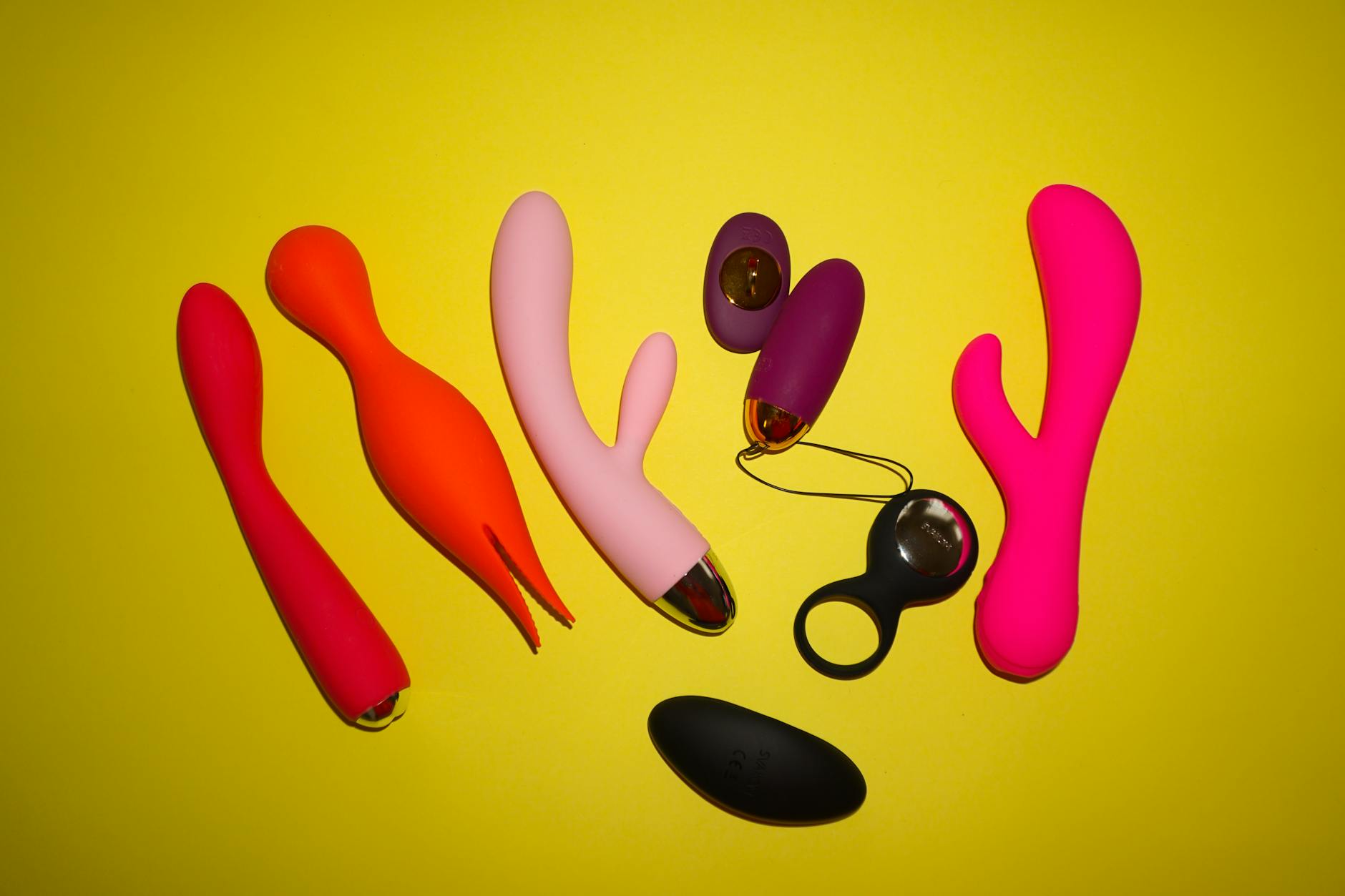
How Lemon Vibrators Help When Antidepressants Dampen Pleasure and Sensation
Let's be real. SSRIs and other antidepressants save lives. They've pulled millions of people out of depression's grip. But here's what nobody talks about at the pharmacy counter: for about 60% of people taking them, antidepressants also flatten sexual response. Arousal takes longer. Sensation dulls. Orgasms become harder to reach, or they disappear entirely.
You didn't lose your capacity for pleasure. Your brain chemistry shifted in a way that requires a different approach to access it. That's where lemon vibrators, especially clitoral suction models, become genuinely transformative. I've worked with hundreds of clients navigating this exact friction, and the data is clear: when traditional stimulation stops working, a Lem vibrator often does.
Here's what you need to know about why this happens, and what actually helps.
How SSRIs and Antidepressants Change Sexual Response
Antidepressants work by increasing serotonin availability in your brain. That's the mechanism that lifts mood and steadies anxiety. But serotonin also regulates desire, genital blood flow, and the neural pathways that trigger orgasm. More serotonin in some brain regions means less dopamine signaling in others. Dopamine drives motivation and pleasure. This is not a side effect that's all in your head. It's biochemistry.
Tricyclic antidepressants and SNRIs (like venlafaxine) are notorious for this. SSRIs (like sertraline, fluoxetine, paroxetine) cause sexual dysfunction in about 40-60% of users. The irony cuts deep: a medication that makes life livable makes pleasure feel locked away.
What changes most visibly is genital sensation. The clitoris is packed with nerve endings, and antidepressants can dull their responsiveness. Arousal takes 2-3 times longer to build. The orgasm threshold climbs. Some people describe it as needing to push harder to feel anything at all.
Why Clitoral Suction Works Differently on Antidepressants
Traditional vibrators deliver stimulation through vibration alone. When your nerve endings are muffled by medication, you need more of the same signal to reach threshold. You crank the intensity. Your tissues fatigue. Nothing happens.
Clitoral suction like the lemon vibrator works on a completely different principle. Instead of relying on vibration to trigger sensation, suction creates a pressure pulse that stimulates the entire clitoral structure, including the internal bulb and legs you can't see. This distributes the stimulation across a wider nerve network and engages different neural pathways than vibration alone.
For someone on SSRIs, this is huge. You're not asking dulled nerves to feel stronger vibration. You're introducing a physical sensation your body hasn't been receiving through traditional toys. The novelty itself, combined with the different stimulation pattern, often reignites response.
My clients on antidepressants consistently report that suction models like the Lem reach orgasm when conventional vibrators hit a wall. The difference isn't subtle. It's the difference between 45 minutes of effort and 10 minutes of actual pleasure.
Practical Changes to Rebuild Arousal and Sensation
If you're taking SSRIs or similar medications and noticing sexual side effects, these shifts matter more than switching toys alone.
Extend foreplay to 20-30 minutes. Your arousal clock has reset. Budget the time. Mental engagement primes the pump. Reading erotica, fantasy, partner connection, or solo sensation play all activate dopamine before you introduce the toy. Antidepressants don't erase your ability to get turned on. They just make it slower. Work with the timeline, not against it.
Start at lower intensities, then layer stimulation. Begin the Lem on pattern 1 or 2. Many people on antidepressants find that gentler patterns, sustained longer, work better than jumping to maximum intensity. Your tissue isn't numb. It's just less reactive to sudden, harsh input. The suction pressure itself is often enough.
Explore sensation outside the clitoris. Nipples, inner thighs, and labia often retain normal sensation when the clitoris feels muted. Use fingers, your partner's mouth, or a toy on these areas first. Build arousal through the whole body. The clitoris is more likely to wake up when you're already halfway there.
Add lubricant, even if you usually don't need it. Antidepressants can dry out genital tissue. Water-based lube helps the toy glide smoothly and reduces the friction that can feel irritating rather than pleasurable when sensation is already suppressed.
The Medication Conversation You Should Have
Here's what I tell clients: if your antidepressant is working for your mental health but killing your sex life, don't just accept it. Talk to your prescriber. Real options exist.
Some people benefit from dose adjustment. A slightly lower dose sometimes preserves most of the mood benefit while reducing sexual side effects. Others switch to medications with lower sexual dysfunction profiles. Bupropion, for example, often has zero sexual side effects. Mirtazapine sometimes improves sexual function. These conversations are medically sound and worth having.
Other people stay on their current medication and optimize pleasure through tools and technique. This is equally valid. The Lem vibrator and other clitoral suction toys are genuinely part of that toolkit.
What doesn't work: suffering in silence and assuming you've lost something forever. You haven't.
When to Seek Additional Support
If you've introduced a lemon clitoral vibrator, extended foreplay, adjusted lube, and still feel completely disconnected from pleasure, talk to a therapist or sex coach. Sometimes medication side effects layer with relationship strain or performance anxiety. Untangling those threads matters.
Also: if antidepressants have genuinely stolen desire (not just arousal, but the want itself), that's worth flagging to your doctor. Low libido can be addressed through dose timing adjustments, medication swaps, or addition of other drugs that counteract sexual side effects. Bupropion is sometimes added alongside SSRIs for this exact reason.
FAQ
Do lemon vibrators actually work better than regular vibrators for antidepressant side effects?
Yes, consistently. Clitoral suction engages different nerve pathways than vibration alone. For people on SSRIs or SNRIs with dulled genital sensation, this different stimulus pattern often succeeds where traditional vibrators plateau. It's not magic. It's neurophysiology. If standard vibration isn't cutting through medication-muffled sensation, suction usually will.
Can I use a lemon vibrator while on any antidepressant?
Absolutely. There's no pharmacological interaction between antidepressants and silicone toys. The Lem vibrator is safe to use alongside any medication. What changes is your body's responsiveness, not your ability to use the toy itself.
Will a lemon vibrator help if my antidepressant killed my desire, not just my orgasm?
Lower chance. A toy can't manufacture motivation if your brain isn't producing dopamine. That's a medication conversation, not a toy solution. That said, sometimes jumpstarting pleasure through a different sensation pattern does restore interest. It's worth trying, but if desire remains flatlined, talking to your doctor about dose or medication swap is more likely to help.
How long does it usually take to rebuild sensation after starting a lemon vibrator?
Many people notice change within the first 3-5 uses. The novelty of suction plus the different nerve stimulation can wake things up quickly. Others take 2-3 weeks of consistent use. Your baseline antidepressant dose and how long you've been on it matter. Patience is the underrated ingredient.
Can I combine a lemon vibrator with foreplay to speed up arousal on antidepressants?
Completely. In fact, this is the sweet spot. Build arousal through touch, mental engagement, and partner connection for 15-20 minutes. Then introduce the Lem at a low intensity. You're not fighting dulled sensation from zero. You're amplifying arousal that's already building. The combination works faster than the toy alone.
What if a lemon vibrator still doesn't work for my antidepressant side effects?
That's real. Not every tool works for every person. If you've tried suction and it hasn't moved the needle, circle back to your doctor about medication options. Bupropion, mirtazapine, or dose adjustments solve this for many people where toys cannot. Your sexual wellbeing is valid reason to explore medication alternatives.
The Reality
Antidepressants are worth it. Mental health that's stable enough to enjoy life is the foundation. But you don't have to choose between mental wellness and sexual pleasure. When medication flattens sensation, a lemon clitoral vibrator often restores access to both. How to find your perfect intensity level on a lemon vibrator is a natural next step once you understand why your body's response has changed.
Your pleasure matters. Your medication matters. Both can coexist with the right information and tools.