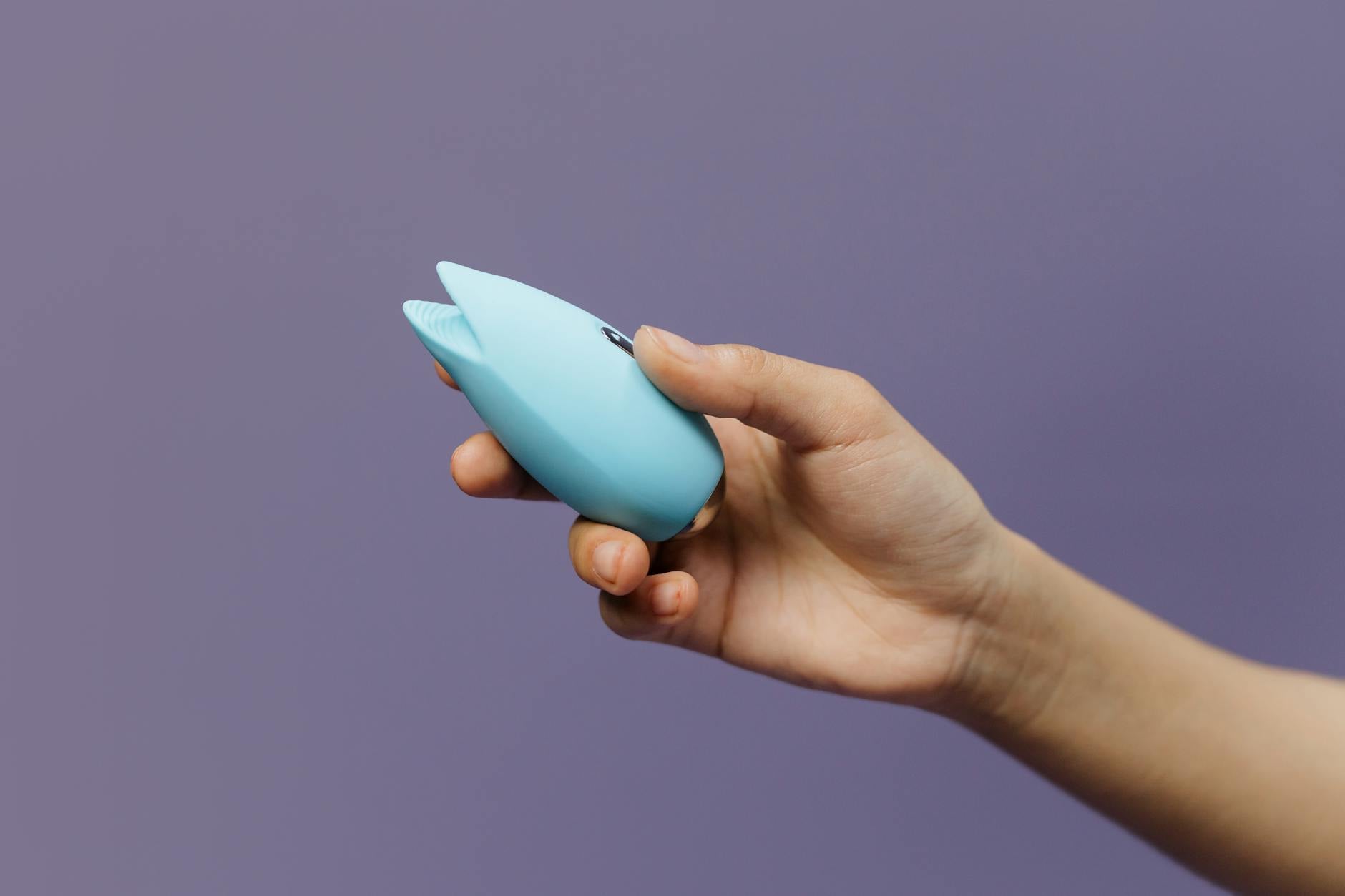
The thing nobody tells you about new relationships and pleasure tools
Introducing a lemon vibrator or any clitoral vibrator to a new partner can feel genuinely risky. You're worried it signals something. That it's weird. That he or she will feel replaced or inadequate. Here's the truth: if your partner is worth keeping around, they'll be relieved you told them.
Most people want their partners to feel good. They just don't always know how to say it or ask for it.
Why the first few months matter for this conversation
Timing isn't about waiting until you're "established." Timing is about two things: comfort and clarity. You need enough comfort with your partner to be vulnerable. You need enough clarity to know this is someone you want to keep exploring with.
That sweet spot is usually between weeks 4 and 12 of dating. You've had sex a handful of times. You know the basics of each other's bodies. You're past the nervous-laughter stage but not so deep that bringing it up feels like a confessional.
If you're already further along, that's fine too. The framework below works at any stage. But earlier is often easier because you're still in the "let's figure this out together" phase rather than the "here's what I've been hiding" phase.
How to start the conversation without it feeling clinical
Don't frame it as a problem or a missing piece. Frame it as curiosity.
"I've been thinking about trying a clitoral vibrator with you. I'm curious what that would feel like together." That's it. You don't need to explain why. You don't need to justify. You don't need to soften it with apologies.
If they ask why, the answer is simple: "Because I think it would feel good, and I want to explore with you." Full stop.
If they seem hesitant, that's information. Ask what they're worried about. Usually it's one of three things. One: they think you're not satisfied with them. Two: they're not sure how to use it. Three: they've never seen one up close and it feels foreign.
For worry number one: "My pleasure isn't about you being replaced. It's about me discovering something new. I want you there when I do." For worry number two: "We figure it out together. No pressure, no performance." For worry number three: "Let's look at it together right now if you want. It's just a toy."
Choosing the right moment to actually introduce the vibrator
Don't pull it out mid-sex the first time. That's jarring and it kills the momentum. Instead, introduce it during a slower moment. You're in bed together, maybe kissing, maybe not fully undressed yet.
"Can I show you something?" Pull it out. Show them how it works. Let them hold it. Let them turn it on and off. Demystify it. The Lemon vibrator is pretty, honestly. It doesn't look clinical. It looks like something someone designed with care.
After you've played with it together for thirty seconds (literally), you can take it from there. Some partners will be into it immediately. Some will need to build comfort over a few sessions. Both are normal.
The positions and sensations that work best early on
Start simple. You're lying on your back. They're between your legs or beside you. You use the vibrator on yourself first. Let them watch. This does two things. One: they see what builds your pleasure in real time. Two: you stay in control of the sensation, which means you can show them exactly what feels good.
After a minute or two, hand it to them. "Try here." Guide their hand if you need to. Some partners will be too tentative. Some will be too enthusiastic. Either way, you're teaching them your body in the process.
Once that feels comfortable, the partner can use the vibrator while they're inside you (if that's part of your sex life). Or while you're doing other things together. The Lemon vibrator is great for this because the suction is precise. It doesn't overwhelm the sensation of your partner being close.
The conversation after the first time
Don't let it be weird after. Talk about it while you're still in bed or in the shower. "That felt good." "I liked watching you." "Can we do that again?" Keep it light and direct.
If something didn't feel right, say so. "It was great, but next time can you try a gentler touch?" Your partner probably wants this feedback. They want to get it right.
Building confidence for both of you
The more you use a lemon clitoral vibrator together, the less awkward it becomes. It becomes part of your intimate toolkit. Like a position you like or a time of day when you're both in the mood.
For your partner: they're learning your body in a deeper way. They're seeing what brings you real, visible pleasure. That's hot. That's useful. That's something they can use to make you feel good for years, whether you're using the vibrator or not.
For you: you're modeling what it looks like to ask for what you want. You're normalizing pleasure as something you deserve. That's powerful in a relationship.
What to do if your partner resists
Some people need longer to warm up. Some people come around after they see you enjoying it. Some people never quite get there, and that's a compatibility issue worth thinking about.
Here's what I tell couples: if someone is truly bothered by their partner using a clitoral vibrator or exploring their own pleasure, that's often a sign of deeper insecurity or control issues. Not always. But often. Good partners want their partners to feel good. They might need time, but they come around.
If your partner is interested but nervous, you can ease the pressure. Maybe you use the vibrator when they're not there for a few weeks. Maybe you introduce it only during certain kinds of sex. Maybe you start with the conversation but give them time before you actually use it together.
The goal isn't to force the vibrator into your sex life. The goal is to have a partner who wants your pleasure as much as you do.
The unexpected benefit nobody talks about
Using a lemon vibrator together teaches you both how to communicate about sex without shame. Once you've had that conversation once, the next ones are easier. "Can we try this position?" "I want you to do more of that thing." "Can we slow down?" These become normal sentences in your relationship instead of things you're terrified to say.
That's worth more than any orgasm. That's the foundation of good sex for the long haul.
FAQ
Will using a clitoral vibrator make my new partner feel inadequate?
No. A vibrator is a tool, not a replacement. It does something different than a partner can do. Most people, once they understand this, see it as an addition, not a subtraction. If your partner does feel inadequate, that's worth exploring together. Sometimes it's about insecurity. Sometimes it's about miscommunication. Either way, a good conversation (or a few conversations) usually clears it up.
What if my new partner thinks I should already know how to orgasm without a toy?
This is outdated thinking, but it comes up. Here's the reframe: you're not using the vibrator because you need to. You're using it because you want to explore pleasure together. It's about curiosity and connection, not about fixing something broken. If your partner can't get on board with that framing after a real conversation, that's information about compatibility.
Is it weird to bring up a lemon vibrator on like the third date?
Yes. Is it weird on date seven or eight when you've already slept together? No. Context matters. If you're sleeping together, you're in the right conversation zone. If you haven't yet, save it for after you've been intimate a few times. You want to build comfort first.
Can I suggest using the vibrator without having the whole conversation first?
You can try it, but I wouldn't recommend it. Pulling it out mid-sex without a heads-up is a shock. Some partners will go with it. Some will feel ambushed. A ten-second conversation beforehand ("I want to show you something") is the middle ground if you want to keep things spontaneous.
What if my partner wants to use a vibrator on themselves and I feel weird about it?
Turns out, that works both directions. If you feel nervous about your partner using a toy, ask yourself why. Are you worried they won't need you? Are you not sure how to respond? Do you need to see it as something you're doing together rather than something they're doing alone? All of these are fixable with a real conversation. And yes, they want the same reassurance you do.
How do I know if we're using the vibrator right?
You're using it right if it feels good and you're both enjoying it. There's no wrong way. Some couples use it during foreplay. Some use it during sex. Some use it for solo exploration that they talk about afterward. The only metric is that you're both into it and you can communicate if something changes. For guidance on intensity and sensation, read through how to find your perfect intensity level on a lemon vibrator to explore what actually works for your body.
What if things get awkward after we introduce the vibrator?
Awkwardness is usually just unexpressed anxiety. Name it. "That felt a little weird for me." Let your partner respond. Usually they felt it too, and they're relieved to talk about it. Then you adjust. Maybe the vibrator comes out later in the sex session next time. Maybe you use it solo for a bit and then bring it back to partner play. You're figuring it out together. That's the whole point.
The bottom line
Introducing a lemon clitoral vibrator to a new relationship is not high-stakes. It's actually low-stakes. You're saying "I want to explore this with you." A partner who responds with curiosity and care is a partner worth having. A partner who responds with shame or control is showing you something important about who they are.
Your pleasure matters. Your exploration matters. And it matters even more when you have a partner who gets that. If you want help navigating a relationship dynamic that feels stuck around pleasure or intimacy, we're here to talk. Reach out at /contact.