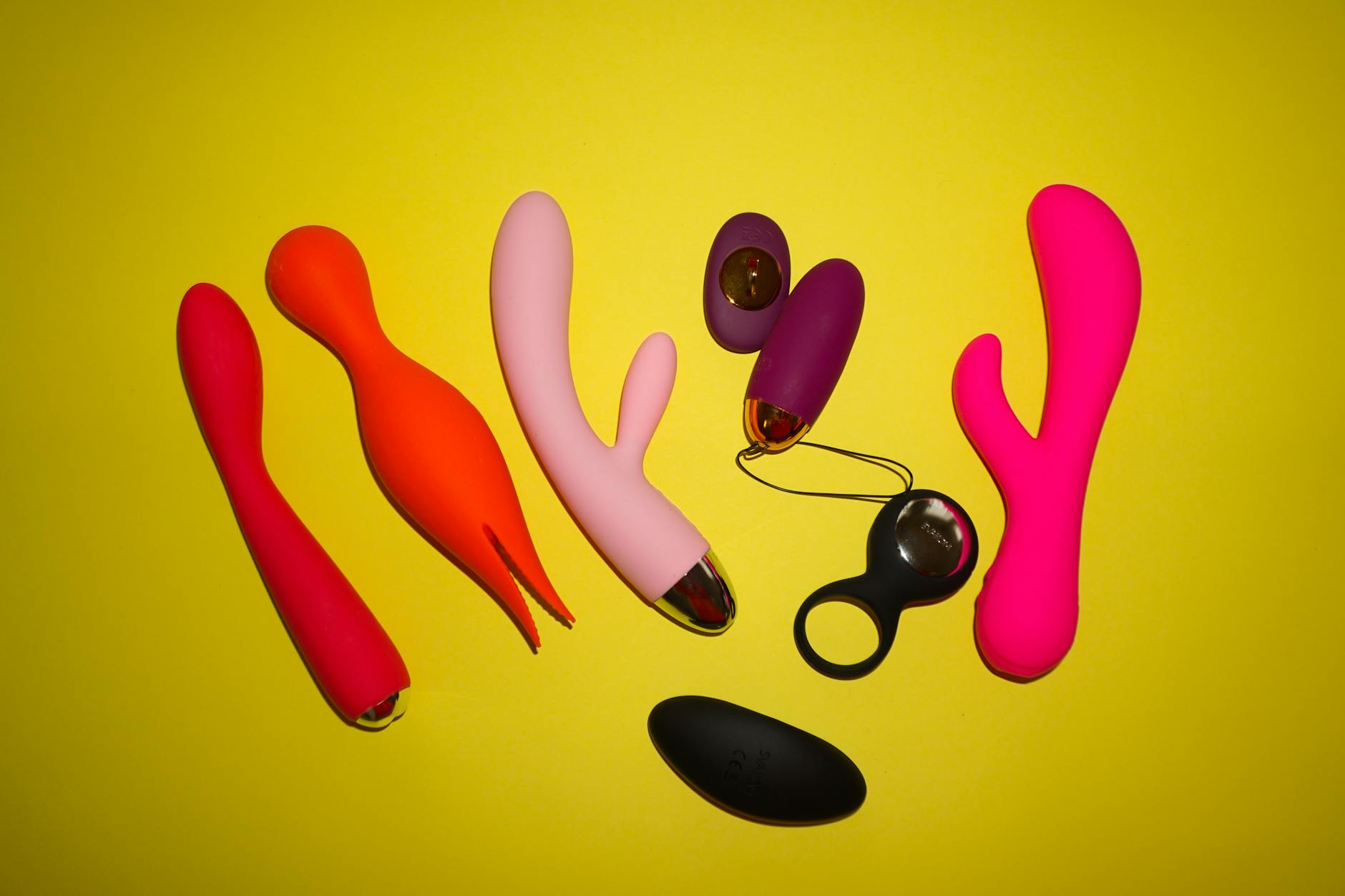
Let's talk about what "sensitive skin" really means down there
Your vulva and the tissue around your clitoris are nothing like the skin on your arm. The tissue is thinner, more permeable, and has a higher concentration of nerve endings. That's why it feels amazing when stimulated the right way. It's also why the wrong toy, the wrong material, or the wrong technique can feel irritating, uncomfortable, or even painful.
If you've ever noticed redness, itching, or a burning sensation after using a vibrator, you're not alone. And no, it doesn't mean your body is broken. It usually means the toy wasn't the right fit for your skin.
Why material matters more than vibration strength
Here's the thing: most people assume sensitivity is about how powerful a vibrator is. Wrong. It's about what's touching your skin.
Cheap vibrators are often made from phthalate-laden plastic or rubber compounds that weren't designed for intimate contact. Even some mid-range toys use materials that can break down, leach chemicals, or create micro-abrasions on delicate tissue. Your body reacts to that irritation the same way it would to touching poison ivy. Redness, swelling, and that raw feeling.
Lemon clitoral vibrators are made from medical-grade silicone. Silicone is non-porous, non-reactive, and doesn't break down inside your body. It's what they use in surgical implants. Your skin doesn't fight it. Your immune system doesn't flag it as a threat. You can actually relax and enjoy the sensation.
The geometry question nobody talks about
Beyond material, the shape matters wildly. Many clitoral vibrators are designed with a pointed tip or a flat surface meant to press against tissue. If you have sensitive skin, that direct pressure can feel like too much, even at low speeds.
Lemon vibrators use a different design. The suction-based stimulation spreads the sensation across a wider area instead of concentrating it in one point. Think of it this way: a needle pressed into your arm hurts. A hand pressing on your arm feels fine. Same pressure, totally different experience because it's distributed.
For sensitive skin, that distributed stimulation is a game-changer. You get intense pleasure without the aggressive friction or pressure that leaves you sore afterward.
What happens when you use the wrong toy
Micro-tears are real. When a vibrator's surface is rough, or the material isn't body-safe, repeated friction creates tiny splits in the top layer of tissue. Your body floods the area with blood and immune cells to heal the damage. That's inflammation. That's the itching, redness, and rawness you feel.
Over time, repeated micro-tears can actually change how that tissue responds to touch. You might find that even gentle stimulation starts to feel uncomfortable. Some people develop a kind of sensitivity cascade, where almost any toy feels irritating.
The fix isn't to avoid pleasure. It's to switch to a toy that doesn't create the damage in the first place.
How to test if a vibrator is actually body-safe
Don't trust marketing language. "Body-safe" is not a regulated term. Here's what to actually check.
First, ask the brand for the material spec. If they won't tell you what it's made from, walk away. Legitimate brands like Hello Nancy list it clearly. Medical-grade silicone, nothing else touching your skin.
Second, run your finger over it slowly. Does it feel smooth, or does it have a slight drag? Body-safe silicone should feel almost slippery. If it feels tacky or rough, that's a red flag.
Third, smell it. Cheap plastic has a chemical smell. Medical-grade silicone smells like almost nothing. If you catch a strong plastic or rubber scent, the material isn't high enough quality.
Lemon vibrators pass all three tests. The material is transparent in marketing, the surface is smooth, and they're designed specifically to reduce pressure on sensitive tissue.
The pH factor and your microbiome
Your vulva maintains a delicate pH balance. The friendly bacteria living there keep the ecosystem stable. Irritating materials can disrupt that balance, leading to infections or imbalances that feel uncomfortable for days or weeks after using a toy.
Silicone doesn't interact with your pH. It's chemically inert. That means it won't feed bad bacteria, won't disrupt your microbiome, and won't cause secondary infections even if you're already dealing with sensitivity.
This is especially important if you have a history of yeast infections or bacterial vaginosis. Using a body-safe toy reduces one major irritant so your body can focus on healing.
How to use clitoral vibrators if you have sensitive skin
Even with the right toy, technique matters. Here's my approach.
Start with the lowest setting. Most vibrators have multiple speeds. Your first session should be at speed one or two. Lemon vibrators are powerful enough that you don't need high speeds to feel something. Low speeds on quality silicone are often more satisfying than high speeds on cheap plastic because the sensation is actually being transmitted cleanly.
Use lubricant, even if you're already wet. Water-based lube (not silicone-based, which can damage silicone toys) creates a buffer between the toy and your tissue. It reduces friction and makes the experience smoother. It also gives you better control over intensity because the lube prevents the toy from "sticking" to your skin.
Don't start with direct contact. Many people find that stimulation through underwear, or with the vibrator positioned next to rather than directly on the clitoris, feels better initially. You can adjust as arousal builds.
Limit sessions to 15 minutes if you're new to it. Sensitive tissue needs time to adjust. Spending 45 minutes with a vibrator, even a good one, can create irritation simply from overstimulation. Build up your tolerance gradually.
When to see a doctor
If you follow all this advice and still experience pain, itching, or burning that lasts more than a couple of hours after using a vibrator, check in with your gynecologist. Some people have contact dermatitis to silicone (rare but real). Others have vulvodynia, a condition where tissue is persistently sensitive. A doctor can help you figure out what's actually going on.
Don't assume all vibrators will feel the same. And don't assume your body is the problem. The right toy, made from the right material, often solves this entirely.
The bigger picture: pleasure shouldn't hurt
I work with couples navigating intimacy all the time, and one thing I've noticed is that people often apologize for sensitive skin. "Sorry, I'm just sensitive," they'll say, like it's a character flaw. It's not. It's biology.
Your body deserves a toy that respects it. That means medical-grade silicone. That means a design that doesn't create friction or pressure. That means a brand that's transparent about materials and willing to stand behind them.
Lemon clitoral vibrators check all those boxes. You're not settling for less intense pleasure when you choose a body-safe toy. You're actually getting better pleasure because your nervous system isn't busy fighting inflammation. You can relax. You can focus. You can enjoy what's happening without worrying about what comes next.
That's the whole point.
Frequently Asked Questions
Can silicone vibrators cause allergic reactions?
True medical-grade silicone allergies are extremely rare. Most "silicone sensitivities" people report are actually reactions to the additives in lower-quality silicone, or to other components of the toy (like the battery casing). If you're reacting to a vibrator marketed as medical-grade silicone, the reaction is usually to something else touching your skin, not the silicone itself. That's why buying from trusted brands that source high-quality materials matters.
How do I know if I have vulvodynia or just irritation from a bad toy?
Vulvodynia is generalized pain that happens without any physical cause. If your sensitivity only happens after using a vibrator, and goes away within a few hours, you probably just had irritation from the toy. True vulvodynia is constant, often unprovoked, and doesn't correlate with toy use. A gynecologist can help distinguish between the two, especially one trained in pelvic pain conditions.
Are lemon suction vibrators better for sensitive skin than traditional vibrators?
For many people, yes. Suction-based stimulation spreads sensation across a wider surface area, which means less direct pressure on any one spot. This is especially helpful for people with sensitive skin or low pain thresholds. Traditional vibrators concentrate vibration in a smaller area. That works beautifully for some people. For others, the lemon suction design is noticeably gentler and more pleasurable.
What's the difference between water-based and silicone lube with lemon clitoral vibrators?
Use water-based lube. Silicone-based lubes can degrade the surface of silicone toys over time, creating micro-damage that makes them less comfortable to use. Water-based lube is body-safe, toy-safe, and actually feels better because it reabsorbs into your skin gradually rather than sitting on top. It needs to be reapplied more often than silicone lube, but that's a minor trade-off for protecting your toy and your skin.
Can I use a lemon vibrator if I've had vulvovaginal atrophy or GSM?
Absolutely. In fact, many people with atrophy find suction-based stimulation more comfortable than traditional vibrators because it doesn't require the same amount of direct friction. That said, if you have atrophy, consider using a topical estrogen cream first to help tissue heal, then introduce a toy. Starting with low speeds, lots of lube, and short sessions is especially important. Your gynecologist can advise on timing based on your individual situation.
Is there any difference in sensitivity depending on where in my cycle I am?
Yes. Hormonal fluctuations affect tissue thickness and sensitivity. In the follicular phase (first half of your cycle), tissue tends to be slightly thicker and less sensitive. In the luteal phase, tissue can feel more delicate. If you notice you're more reactive to vibrators at certain times of the month, that's normal. You might want to stick to lower speeds during your luteal phase, or focus on other forms of stimulation. Tracking these patterns helps you figure out what works best when.
References and sources
This article draws on clinical research in sexual medicine, material science for body-safe products, and my professional experience as a marriage and family therapist specializing in sexual wellness and relationship dynamics. For more detailed information on product materials and design, visit the Complete Guide to Lemon Vibrators on Hello Nancy.
If you're ready to explore toys designed specifically for sensitive skin, Hello Nancy offers medical-grade silicone options like the Lem clitoral vibrator, which uses suction-based technology to reduce direct pressure while maximizing pleasure.
Have questions or want personalized guidance? Reach out to Hello Nancy's contact team for one-on-one support.