Here's what nobody talks about
Your clitoris isn't static. It swells and shrinks, becomes more or less sensitive, and changes its response to stimulation throughout your cycle. That means your lemon clitoral vibrator, suction-based sex toys, and honestly all your pleasure tools feel different depending on the week. Most people assume they're doing something wrong when the intensity that felt perfect last week suddenly feels too much or not enough this week. You're not. Your body is just cycling.
How your cycle changes clitoral sensitivity
The clitoris contains thousands of nerve endings, and those nerves respond to hormonal shifts. During follicular phase (first half of your cycle, after your period), estrogen rises steadily. This means increased blood flow to your vulva, thicker tissue, and a clitoris that's more engorged and closer to the surface. Suction feels more intense during this window because there's more tissue to work with.
Around ovulation, estrogen peaks one more time, and so does sensitivity. This is often when suction-based toys feel most pleasurable. The clitoris is at its most swollen, the skin is most responsive, and a device like a Lem vibrator often requires less intensity to reach orgasm.
Then comes luteal phase. Progesterone rises, estrogen drops, and your clitoris de-engorges slightly. It pulls back a bit, the tissue gets thinner, and sensitivity decreases. That intensity setting you loved at ovulation? Now it might feel weak. You'll likely need to dial up to pattern 3 or 4 instead of pattern 1.
Right before your period, sensitivity often dips even further. Some people report that suction feels irritating or too intense even at lower settings. Others find that switching to traditional vibration (if your toy has that option) feels better than suction during this window.
Week by week: what to expect from your lemon vibrator
Week 1 (Menstruation). Cramping means the uterus is contracting, and those contractions can make the clitoris feel tender. You might skip pleasure altogether during heavy flow days, which is completely fine. If you do want to use your lemon suction vibrator, start at pattern 1 and stay gentle. Some people actually find that orgasm helps ease cramps, so experiment and see what your body wants.
Week 2 (Follicular/Pre-Ovulation). Estrogen is climbing. Blood flow to your vulva increases. Your clitoris feels plumper, more receptive. This is when many people report that lower suction settings feel most satisfying. If you usually need pattern 3 or 4 to climax, try starting at pattern 2 this week. You might surprise yourself.
Week 3 (Ovulation). Estrogen peaks, sensitivity peaks, and orgasms often come faster and feel more intense. This is the week where your lemon clitoral vibrator often needs the least amount of intensity to do its job. Your body is also more likely to want penetration alongside clitoral suction, which is a hormonal signal, not a sign that suction alone suddenly stopped working.
Week 4 (Luteal/Pre-Menstrual). Progesterone dominates, estrogen tanks, and your clitoris retreats. Suction might feel less pleasurable, or you might need higher intensity. If suction feels uncomfortable, that's also normal. Some people switch to external vibration only, use lubrication to buffer sensation, or take a break from pleasure tools entirely during this week. All of those are fine.
Why intensity settings matter even more during your cycle
Most lemon suction vibrators, including the Lem, come with multiple intensity levels or patterns. During follicular and ovulation phases, you might spend most of your time at patterns 1 through 3. During luteal phase, you might live at 4 or 5. This isn't a problem. It's adaptation. Your nervous system is working, your body is responding, and you're learning to listen.
The trap is using the same setting all month and either getting frustrated because it doesn't work anymore, or accidentally using settings that are too intense for a more sensitive week and creating pain or irritation. Cyclical tracking, even informal tracking, helps you know what your body wants when.
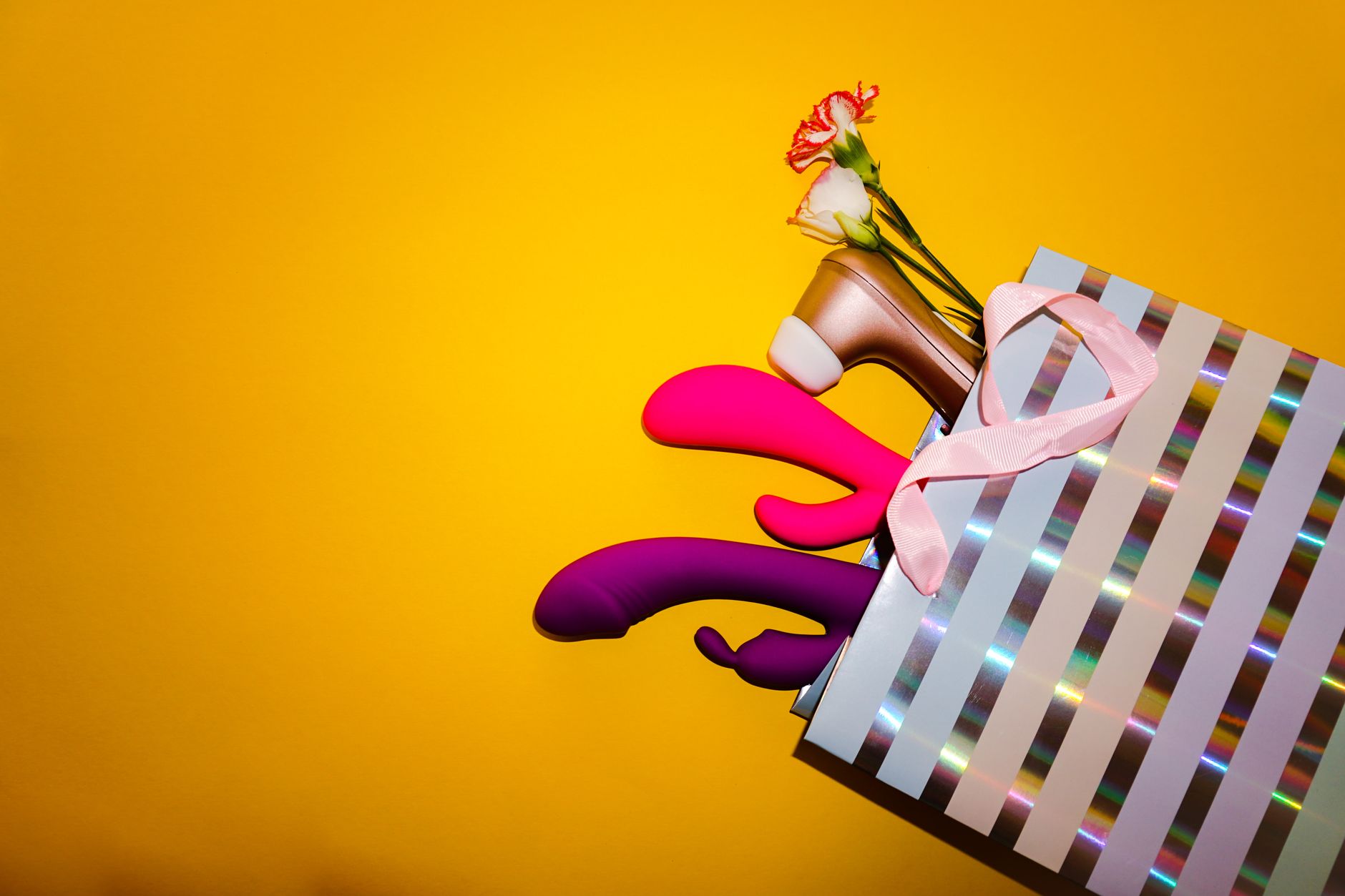
Photo by FounderTips on Pexels
Track it simply
You don't need an app or spreadsheet unless you want one. Three pieces of information matter: your period start date, when you think ovulation happens (usually 14 days before your next period, but varies), and which week you are in. Then jot down one sentence per week about how your lemon vibrator felt: "Pattern 2 was perfect." "Suction felt irritating, switched to vibe mode." "Needed pattern 4 to come." After two or three cycles, patterns emerge. You'll know your body's timeline.
The sensitivity dip isn't failure
Many people use pleasure tools because they work reliably. So when a tool that usually brings you to orgasm in 5 minutes suddenly takes 15, or feels less satisfying, the first instinct is to assume something is broken. Maybe the toy is wearing out. Maybe you're losing sensitivity. Maybe you're less attracted to your partner. None of that is likely true. Your cycle is just making a predictable shift, and your tool is responding exactly as it should.
This is where knowing your cycle becomes powerful. You can tell yourself, "I'm in my luteal phase, my body needs more intensity this week," and that's just information. Not a problem. Not a sign of dysfunction. Just adaptation.
When to reach for lubrication
During follicular and ovulation phases, your body often produces natural lubrication. During luteal phase, it doesn't. If suction feels uncomfortable or dry during the second half of your cycle, add water-based lubricant. This isn't a sign you're doing something wrong. Lubricant is a tool that changes sensation and comfort, and it's especially valuable during weeks when your tissue is less plump and responsive.
Should you track with partners
If you have a partner, sharing this information can be useful without making it weird. "During the second half of my cycle, I need more intensity" is practical information that helps both of you. It removes the guesswork and the worry. It also means you can plan connection differently during different weeks, which often feels better than trying to force the same routine every time.
The bigger picture
Understanding how your cycle affects pleasure with suction lemon vibrators is one piece of a larger truth: your sexuality is not static. It changes weekly, monthly, yearly. It responds to stress, sleep, emotional connection, and hormones. The more you know about these patterns, the less you blame yourself when things feel different. And the more you can actually use that information to have better experiences.
Your body isn't broken. It's cycling. And that cycling is actually useful information for pleasure.
People also ask
Can I use a lemon suction vibrator during my period?
Yes, if you want to. Heavy bleeding might make you less interested in pleasure, which is fine. If you do want to, flow might reduce the suction effect slightly. Use a lower intensity, go slow, and know that some people find that orgasms actually help ease period cramps. Listen to what your body wants.
Why does my lemon clitoral vibrator feel too strong during my period?
During menstruation, the clitoris is often more tender because the uterus is contracting and inflammation is slightly elevated. This makes the tissue more sensitive to pressure and suction. Lower intensity and gentler patterns are your friend right now.
Is it normal for suction to feel less pleasurable in the second half of my cycle?
Completely normal. During luteal phase, progesterone rises and estrogen drops, which means your clitoris is less engorged and less sensitive. Suction might feel less satisfying, or you might prefer higher intensity. Some people switch to traditional vibration during this week. All of these responses are normal.
How can I track my cycle for pleasure?
Simple: note your period start date, mark ovulation roughly 14 days later, and write one sentence per week about how your pleasure felt and what intensity worked best. After two or three cycles, you'll see your personal pattern. Apps like Clue or Flo can help if you like digital tracking.
Does hormonal birth control change how lemon vibrators feel?
Yes. Hormonal contraception smooths out the hormonal peaks and valleys of your cycle, which means clitoral sensitivity tends to stay more consistent throughout the month. You might find you prefer the same intensity setting year-round. Nonhormonal methods like copper IUDs or condoms won't affect this the same way.
What if my cycle is irregular?
Irregular cycles make tracking harder but not impossible. Note when your period starts and what intensity worked best that week. Over time, even irregular cycles show patterns. If your cycle is severely irregular or you're concerned about hormonal health, see a doctor. In the meantime, pay attention to how your body feels and adjust accordingly.
Sources
Cyclical changes in clitoral sensitivity are grounded in reproductive endocrinology. The primary mechanism is hormonal fluctuation of estrogen and progesterone, which directly affects tissue blood flow, thickness, and nerve sensitivity. Research from the American College of Obstetricians and Gynecologists confirms that clitoral tissue responds measurably to estrogen changes across the menstrual cycle, with peak sensitivity typically occurring around ovulation. Individual variation is significant; tracking personal response is more useful than following population averages.
For more on pleasure tools and your body, explore our guide on how to use lemon vibrators if you're new to clitoral suction. If you're curious about how lemon vibrators compare to traditional vibrators, we've compared them directly. And if you're dealing with sensitive skin or irritation, we cover why lemon vibrators work better for sensitive skin.