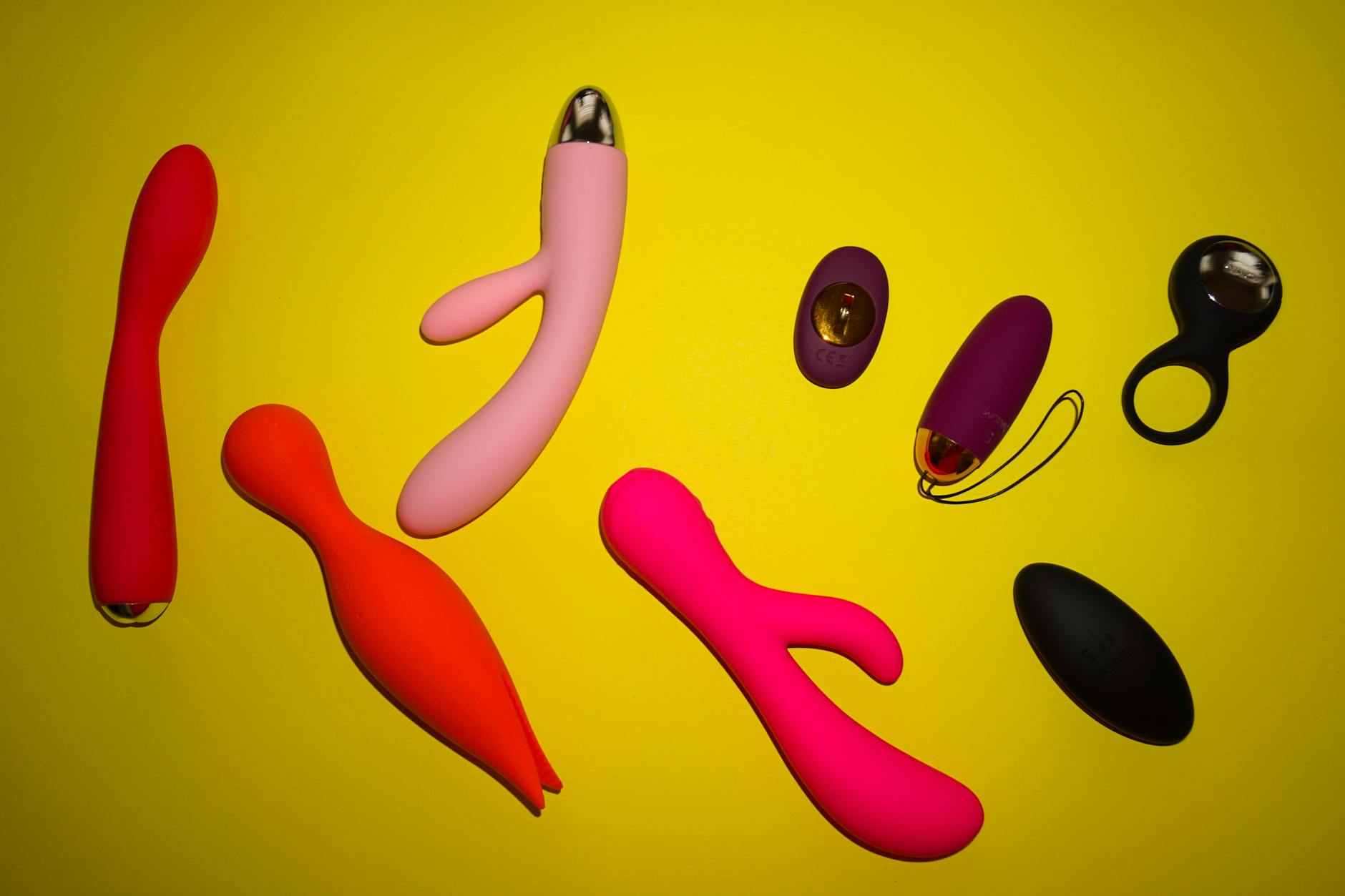
Let's talk about suction versus vibration
Here's the thing. When someone asks me whether a lemon vibrator actually works better than a traditional vibrator, they're usually asking the wrong question. It's not better. It's different. And different can absolutely be transformative if it matches how your body responds to stimulation.
I've spent years talking with people about pleasure, and I can tell you that the shift from traditional vibration to air-pulse suction is one of the most common "why didn't I try this sooner" moments. But understanding why requires knowing what's actually happening on a physical level.
How vibration stimulates nerve endings
Traditional vibrators work through oscillation. A motor inside moves a component back and forth rapidly, usually between 50 and 100 times per second. That movement travels through the silicone directly to your skin and the nerve endings underneath.
The clitoris has roughly 8,000 nerve endings concentrated in a small area. Vibration activates these nerves through direct mechanical stimulation. The sensation is consistent, predictable, and for many people, highly effective. It's why vibrators have worked so well for so long.
But here's what vibration doesn't do. It doesn't create suction or negative pressure. It's a push-and-release pattern, relying entirely on direct contact and speed.
How suction stimulation works differently
Air-pulse suction, like what you get with lemon clitoral vibrators, uses a different principle entirely. Instead of vibrating back and forth, a suction cup seals around the area and pulses gently, creating rhythmic waves of gentle pressure and release.
This creates what's called negative pressure stimulation. Rather than the sensation traveling down into the tissue, it's drawing the tissue up and outward, stimulating the nerve endings from a slightly different angle and depth. It feels like a very gentle sucking sensation combined with pulsing.
The technology isn't new. Clinical studies on air-pulse devices date back over a decade, and the results have been consistent. Different stimulation pattern. Different sensation. Often faster response and more intense sensation for people who respond to it.
Why lemon vibrators feel nothing like traditional vibrators
I need to be direct here. If you try a lemon suction vibrator expecting it to feel like a buzz with suction, you'll be surprised. The sensation is genuinely different. Many people describe it as more rounded, less buzzy, and somehow more focused even though it covers more surface area.
This is partly psychological. Your brain knows it's not a traditional vibrator, so it doesn't anticipate the same feeling. It's partly physiological. The stimulation pattern activates nerves in a different order and intensity.
Some people find suction overwhelming at first. Others find traditional vibration too direct or intense on sensitive tissue. Many people eventually use both, depending on mood, sensitivity, and what they're in the mood for that day.
The sensitivity angle matters more than you think
If you've struggled with traditional vibrators being too intense or causing numbing, suction often feels gentler despite delivering impressive results. This is why people with sensitive skin or those recovering from overuse of high-intensity vibrators often find lemon vibrators revelatory.
The suction spreads stimulation across a broader surface area while maintaining deep sensation. You get intensity without the aggressive buzzing. For this reason alone, many of my clients find that they can use suction devices longer without fatigue or desensitization.
There's also a practical advantage. Suction devices often run more quietly than traditional vibrators. If discretion matters to you, that's a genuine benefit.
Vibration still has its place
I don't want to oversell suction. Traditional vibration is predictable, widely available, and deeply understood. Many people have strong preferences for vibration and find they prefer it consistently. Some find vibration more effective for rapid orgasm. Others like the straightforward intensity.
Neither is objectively better. Your nervous system is unique. What works spectacularly for your friend might feel awkward for you. The only real test is trying it yourself with realistic expectations.
For partners exploring together, sometimes having both available means you can match the sensation to the mood rather than forcing the mood to match the device.
How to actually compare them
If you're considering trying a lemon vibrator for the first time, here's what helps. Start with lower intensity settings. Suction at level 1 feels very different from level 3. Give yourself a few minutes to adjust to the sensation rather than jumping immediately to maximum intensity.
Pay attention to what your body responds to. Do you feel more sensation? Does it build differently? Does it feel more or less intense? Does your arousal build faster or slower? These details matter more than any comparison chart.
Also pay attention to recovery time. Some people find that suction allows for multiple orgasms more easily. Others find that traditional vibration works better for that. Again, your body is the only authority.
The research backs up the experience
Studies on air-pulse devices show higher reported satisfaction and faster time to orgasm for many users compared to traditional vibrators. Not all users. Some. A meaningful number. The research also shows lower rates of genital numbness with regular use, which matters if you use devices frequently.
But research is group-level data. You're an individual. Anecdotal evidence is useful information, but it's not a prediction of your experience.
What if you like vibration but want to try suction
The transition doesn't have to be all-or-nothing. Some people benefit from combining sensations. Using a vibrator and a suction device together creates a completely different experience than either alone. Or alternating between them during the same session.
Patience helps. If the sensation feels strange at first, that's normal. Suction does feel genuinely different. Give yourself permission to adjust.
The long game
What matters most is that you're exploring what actually works for your body rather than settling for what's supposed to work. If traditional vibration has served you well, there's zero pressure to switch. If you're curious about something different, trying a lemon vibrator is a low-risk way to expand what you know about your own pleasure.
Your sensitivity changes over time. Your preferences shift. What works beautifully at 25 might feel different at 35 or 45. That's not a failure of the device or your body. It's just how pleasure develops across a lifetime.
The goal is always the same. Knowing your body well enough to choose what genuinely serves it, not what you think you're supposed to want.
Frequently asked questions
Is lemon vibrator suction better for achieving orgasm?
For some people, yes. Studies show faster time to orgasm for many users, but not all. Response varies dramatically based on individual nerve sensitivity, arousal patterns, and preference. The best device is the one that works consistently for your body. If you haven't tried suction and you're curious, it's worth exploring. If vibration works perfectly for you, there's no reason to change.
Can I use a lemon vibrator if I'm sensitive down there?
Actually, many people with sensitivity prefer suction to traditional vibration. The distributed pressure tends to feel less intense while still delivering sensation. That said, sensitivity exists on a spectrum. Some people find any stimulation uncomfortable due to medical conditions like vaginismus or vulvodynia. In those cases, working with a pelvic floor physical therapist matters more than device choice. For general sensitivity, starting a lemon vibrator on the lowest setting and taking time to acclimate usually works well.
How long does it take to adjust to the feeling of suction?
Most people know within 3-5 minutes whether the sensation works for them. Some need a few sessions to adjust because the feeling is genuinely different from what they're used to. If after 2-3 sessions it still feels strange rather than good, suction might just not be your thing. That's completely fine. Not everything works for everyone.
Can you use a lemon vibrator if you have a partner?
Absolutely. Many couples find that introducing a suction device into partnered sex opens new possibilities for sensation and exploration. Some use it together. Some use it during foreplay. Some take turns. Communication matters more than the device itself. Let your partner know what sensation you're experiencing, what feels good, and what you want to try next.
Why do lemon vibrators feel so different from regular vibrators?
Because they work through a completely different mechanism. Traditional vibrators use rapid oscillation. Lemon vibrators use air-pulse suction, creating negative pressure and a gentle sucking sensation. The nerve pathways being stimulated are slightly different, the depth of stimulation varies, and the overall sensation pattern your brain receives is distinct. This isn't a flaw. It's the whole point.
Are lemon vibrators worth trying if I've never had trouble with regular vibrators?
If you're satisfied with regular vibrators and have no complaints, you don't need to switch. That said, many people who've been happy with vibration find that trying suction expands what they know about their own capacity for pleasure. It's less about switching and more about adding another option to your toolkit. Some days you want vibration. Some days you want something completely different. Having both available means you get to choose based on what your body wants rather than what's available.
The bottom line
Lemon vibrators don't work better than traditional vibrators. They work differently. Whether that difference is better for you depends entirely on your body, your preferences, and what sensation actually triggers your pleasure response. The only way to know is to try it with an open mind and honest attention to what you actually feel, not what you think you should feel.
Your pleasure matters. It deserves exploration, honesty, and tools that work for your specific nervous system. If you're curious about suction, start low, give yourself time to adjust, and pay attention to what your body tells you.
If you have questions about what might work best for your body or want to talk through the differences, reach out. That's what I'm here for.
Resources and further reading
If you want to learn more about how to use these devices effectively, check out our guide on how to use lemon vibrators if you're new to clitoral suction. And if you're concerned about sensitivity, we've covered why lemon vibrators work better for sensitive skin in detail.
For broader context on pleasure and what helps, the complete guide to lemon vibrators offers comprehensive information on device care, settings, and integration into your life.
Questions still? Get in touch at /contact. I'm always happy to talk through what might work for your specific situation.