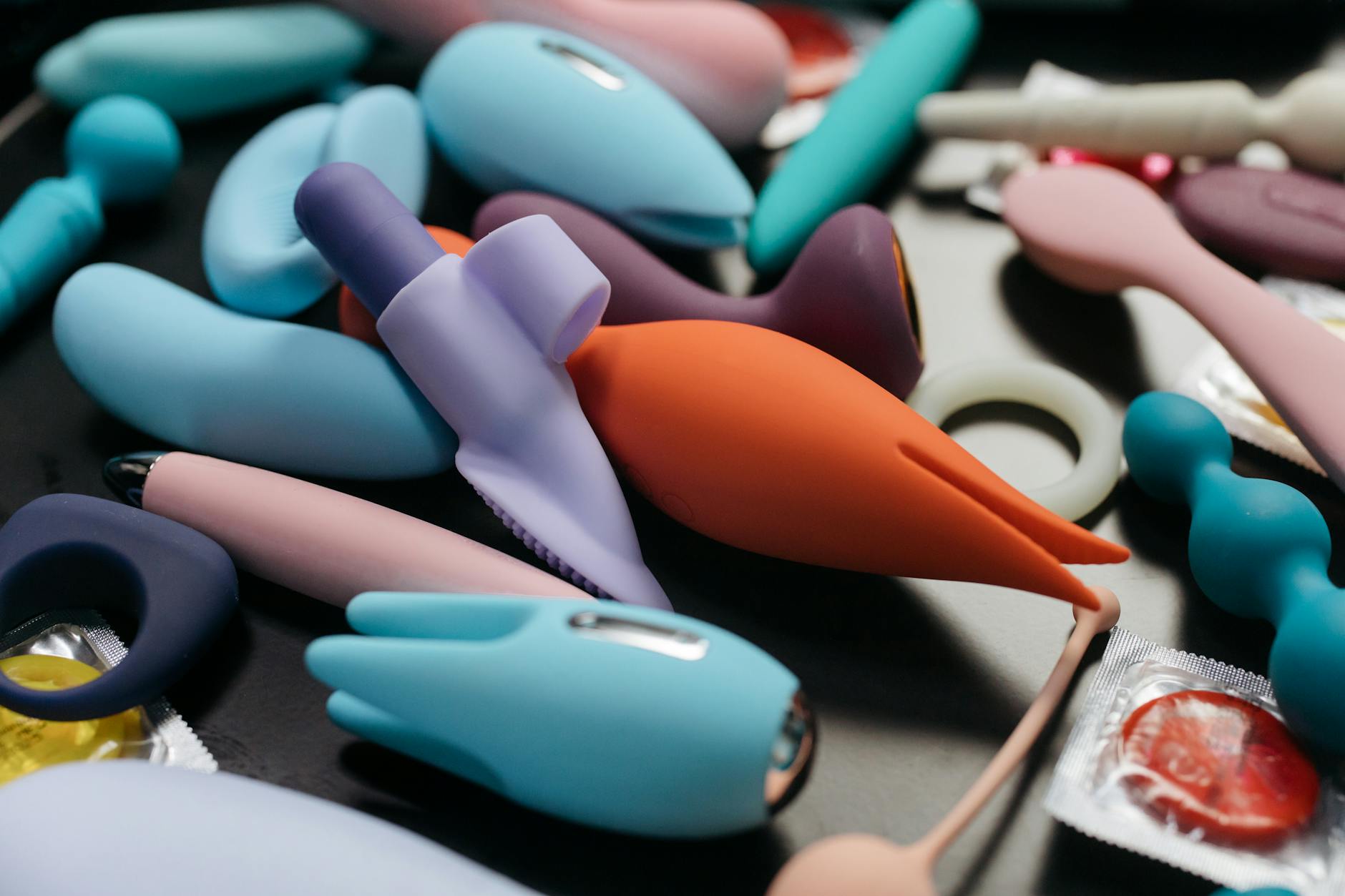
The thing nobody tells you about long-term partnerships
After five, ten, or twenty years together, desire doesn't always fade because you've stopped loving someone. It fades because your bodies have changed, your lives have gotten busier, and the spontaneity that once felt natural now requires actual planning. That's not failure. That's just what happens in real relationships.
Here's the part that matters: introducing a lemon vibrator or any clitoral vibrator into long-term partner play isn't admitting something is broken. It's an active choice to rebuild what routine has dulled. And couples who do this report higher satisfaction, more authentic desire, and honestly, more fun.
Why couples reach for vibrators after years together
There are a few reasons why long-term partners benefit uniquely from lemon sexual toys and clitoral suction devices.
First, desire dynamics shift over decades. Early-relationship passion often runs on novelty and uncertainty. After years, that neurological spark quiets. That's not pathological. It's just biology. But it means you need different tools to recreate arousal. A lemon vibrator changes the sensation profile entirely, which your nervous system reads as new.
Second, bodies change. After kids, surgery, medication changes, or just aging, what used to work stops working the same way. Maybe orgasm takes longer now. Maybe direct stimulation feels too intense. Maybe pleasure feels muted. These aren't relationship problems. They're physiological problems with mechanical solutions. Lemon clitoral vibrators with suction patterns, for instance, provide a different kind of stimulation than fingers or traditional vibration alone.
Third, life happens. Stress, grief, caregiving, work. When you're managing two careers and three kids' schedules, spontaneous sex is a luxury. But lemon vibrators shorten the time to arousal and orgasm significantly, which means you can fit genuine pleasure into an actual Tuesday night rather than waiting for mythical "couple's weekend."
The conversation that has to happen first
Don't just show up with a Hello Nancy lemon vibrator and hope for the best. That's how you end up with a toy gathering dust in a drawer and an awkward silence.
The conversation needs to happen when you're clothed, not in bed. Say something like: "I've been thinking about us, and I miss how we used to feel. I'd like to try introducing a vibrator, not because anything is wrong with you, but because I think it could help us reconnect." That's vulnerable. That's also honest.
If your partner seems hesitant, ask what the resistance is about. Sometimes it's insecurity ("You need this instead of me"). Sometimes it's unfamiliarity ("I don't know how to use it"). Sometimes it's practical ("Where did this come from?"). Each answer changes what you do next.
For insecurity: explain that a lemon clitoral vibrator is equipment, not a replacement. "I want us to use this together. It's not about what I can do alone. It's about what we can do together."
For unfamiliarity: walk through it together. Show your partner the intensity levels on the Lem or whichever clitoral vibrator you choose. Let them hold it, feel it on their own hand, understand how it works before anyone's vulnerable.
For practical concerns: be transparent about where you got it, why you researched it, what you learned. "I looked into this because I want our sex life to feel good again, and I found that lemon vibrators have this suction feature that a lot of couples love."
How to actually introduce it into your routine
Honestly though, the mechanics are simpler than the emotional setup.
Start slow. Your first time using a Hello Nancy lemon vibrator or similar clitoral suction toy as a couple, don't treat it like the main event. Use it during foreplay while you're kissing or touching each other. Let your partner hold it. Let yourself guide it. There's no script here. The goal is familiarity, not performance.
Intensity matters more than you think. If you're used to fingers or a partner's hand, the sensations from a lemon clitoral vibrator will feel completely different. Start at pattern one or two. Your nervous system needs time to adjust. Speed is not the goal. Sensation is.
Timing helps too. Use it when you're already aroused, not as the opening move. That means fifteen or twenty minutes of kissing, touching, and building first. Then introduce the vibrator. This takes pressure off your partner to "make it work" and lets you both ease into it.
Communicate in real time. "That feels good" or "a little lighter" or "keep doing that." This isn't crude. It's information. Your partner wants to know what's working.
When to use it: solo, partner-led, or both
There are three main ways couples use lemon vibrators after years together.
First, solo use that your partner watches or joins. You use a lemon clitoral vibrator on yourself while your partner touches you or watches. This removes the pressure from your partner to "do" something and lets you access your own pleasure directly. Many couples find this is actually hotter because they're present to each other's genuine response.
Second, partner-led. Your partner holds the clitoral vibrator and applies it. This creates a different dynamic. You're receiving. Your partner is actively engaged in your pleasure. Some couples report this as the most intimate option because it requires communication and attention.
Third, partner penetration plus vibration. You use a lemon vibrator or clitoral suction toy on your clitoris while your partner is inside you. This is what couples often mean by "blended orgasms," and it's a game-changer for people who struggle to orgasm during penetrative sex alone.
None of these is "correct." The right option is whatever feels good to you both and fits your bodies.
The reassurance part (the part everyone needs)
Introducing a lemon sucker or other clitoral vibrator into long-term couple play often triggers old narratives. "If I needed this before, why didn't I ask?" or "Does this mean my partner thinks I'm not enough?" or the reverse: "Does this mean my partner doesn't find me attractive anymore?"
Here's what I know from two decades of working with couples: the relationships that survive and actually thrive aren't the ones where desire never changes. They're the ones where couples choose to evolve together. That includes choosing new tools.
A lemon vibrator isn't a replacement for your partner. It's not admission of failure. It's the opposite. It's saying: "I care enough about us to try something new. I want this to work." That's powerful. That's actually sexy.
Most couples report that using vibrators together brings them closer. Not because the vibrator is magic, but because of what using it requires: honesty, vulnerability, and showing up for each other's pleasure.
Breaking the awkwardness around storage and maintenance
One thing I tell couples: the awkwardness doesn't end when you introduce the toy. It continues if you hide it or treat it like contraband.
Clean your lemon vibrator or clitoral suction toy according to the manufacturer's guidelines (silicone-safe toy cleaner or warm water and mild soap, depending on the material). Store it in a drawer, not hidden in a closet. Normalize it. When it's visible and handled matter-of-factly, the shame dissolves.
If you have kids or roommates, sure, use a closed drawer. But don't act like you're hiding something from each other. Couples who are secretive about their toys often stay awkward about them. Couples who are matter-of-fact? They use them. Often.
When to call in extra support
Sometimes introducing a lemon vibrator surfaces a deeper issue. If your partner remains resistant after you've had the conversation, if the resistance feels like rejection, or if you suspect the real issue is disconnection you can't solve with equipment, that's when couples therapy or relationship coaching makes sense.
A good therapist can help you talk about desire shifts, resentment, or the grief that sometimes comes when long-term relationships change. A clitoral vibrator is a tool for pleasure. It's not a substitute for actually addressing what's broken in the emotional connection.
The long-term reality
After about six months of using lemon vibrators or clitoral suction toys together, most couples either settle into a comfortable routine with them or phase them out and come back to them seasonally. Both are fine. What matters is that you tried, you communicated, and you stayed interested in each other's pleasure.
Your sex life at year fifteen doesn't have to look like your sex life at year two. It can be deeper, more intentional, and honestly, more satisfying because you know each other and you're actively choosing to keep showing up.
Common questions couples ask
What if my partner is embarrassed about the vibrator?
Embarrassment usually means unfamiliarity, not actual objection. Spend time with the toy first solo so you're comfortable with it. Show your partner online reviews or articles normalizing vibrator use. Sometimes just knowing that this is something thousands of couples do together takes the shame off it.
How do we know which vibrator to choose together?
Start simple. The Hello Nancy lemon clitoral vibrator or similar suction-based toys are beginner-friendly and highly-rated by couples because the sensations are novel and the intensity is adjustable. Watch YouTube reviews together if that helps. Some couples even make it fun by testing different toys solo first and comparing notes.
Can we use a vibrator if we have very different sensitivity levels?
Absolutely. In fact, this is one of the best reasons to introduce a toy. You can adjust intensity independently without negotiating or compromising on someone's pleasure. Read more about how to use a lemon vibrator with your partner when you have different sensitivity levels for specific strategies.
What if we've been having sex regularly but it feels routine?
Routine is the silent killer of long-term desire. A new sensation like a lemon clitoral vibrator can interrupt that pattern and remind your nervous system what novelty feels like. Even just changing the location or time of day helps, but introducing equipment often provides a bigger jolt.
How do we handle it if one person orgasms faster than the other?
This is actually common and often easier to solve with vibrators than without. The person who typically orgasms faster can use the toy to slow down and extend pleasure. The person who takes longer gets the direct stimulation they need to finish. This levels the playing field and often makes the experience more balanced and satisfying for both people.
Is it okay to use a vibrator every time we have sex?
Yes. If it works for you and feels good, there's no rule against using a lemon vibrator or any clitoral suction toy every single time. Some couples do. Others use it twice a week. Others save it for specific moods. There's no "correct" frequency. Use it as much as feels right.
The bottom line
Long-term relationships don't fail because desire changes. They fail because couples stop trying when it does. Introducing a lemon vibrator isn't giving up on passion. It's choosing to build something new with the partner you've already chosen. That's actually braver than the early-relationship spontaneity everyone romanticizes.
Your pleasure matters. Your partner's pleasure matters. And you both deserve a sex life that feels good, even after years together. Sometimes that requires a conversation. Sometimes it requires a tool. Usually, it requires both.
If you're thinking about bringing vibrators into your partnership and need more guidance on the emotional side, reach out to Hello Nancy. We're here to support couples navigating these transitions.
Photo by cottonbro studio on Pexels