Let's start with the real problem
Your partner flinches. Or goes quiet. Or says something like "I don't need help" when you mention a vibrator. And suddenly you're navigating a minefield where bringing up pleasure tools feels like you're saying "what we have isn't enough."
Here's the thing: that's exactly what your partner is hearing, even if it's not what you mean.
A lemon clitoral vibrator introduces something new into sex, and for sensitive partners, "new" can land as criticism. It can feel like you're implying their body isn't responsive enough, their pleasure matters less, or you're bored. That's not your fault, and it's not their fault. It's just how the conversation usually happens.
I've worked with hundreds of couples stuck in this exact loop. The partner with higher libido wants to expand. The sensitive partner wants things to stay exactly as they are. Both feel misunderstood. Both are right.
The path through isn't to convince them a lemon vibrator is "better." It's to show them it's collaborative.
Why sensitive partners resist (and what that actually means)
When I say "sensitive partner," I mean someone who finds sex talk difficult, feels vulnerable discussing desire, or has reasons (past experience, body image, relationship history) to be protective about pleasure.
Resistance usually has a few origins.
First: perceived inadequacy. If you suggest a vibrator, a sensitive partner often translates that as "I'm not enough." The vibrator becomes evidence. Doesn't matter that you're thinking "I want you to feel amazing." They're hearing "you're not satisfying me." Reframing before you introduce anything helps.
Second: loss of control. Vibrators are external. They change the dynamic. A sensitive partner might worry they'll become less central, less needed, or that you'll prefer the toy to them. That fear deserves to be addressed head-on, not dismissed.
Third: shame or discomfort with pleasure itself. Some partners grew up with messages that wanting things, or wanting them intensely, was selfish or inappropriate. A vibrator makes pleasure visible and deliberate. That can feel transgressive, even in a safe relationship.
Understanding this doesn't mean abandoning the conversation. It means starting from a different place: "I want more pleasure for you, and I want to find it together."
The conversation that actually works
Forget the sex-shop pitch. This isn't about selling them on a lemon vibrator.
Start with observation. Not judgment. "I've noticed you seem less interested in sex lately." Or "I want to make sure what we're doing still feels good to you." Open-ended, curious, no accusation.
Listen to their answer without planning your response. They might say they're tired. Stressed. Feel disconnected. Don't jump to "vibrator will fix that." That's premature. They need to feel heard first.
Then shift to curiosity about desire. "What would make sex feel better for you right now?" Not "Would a vibrator help?" Let them define what better looks like. Maybe it's more time together. Maybe it's less pressure to orgasm. Maybe it's them initiating more. A vibrator might or might not be part of that.
If they seem open, you can gently introduce the idea of exploring. "I've been thinking about how we could both feel more pleasure. Would you be interested in trying something new together?" The key word is together. You're not doing this to them or for them. It's collaborative.
If they're resistant, don't push. A sensitive partner who feels pressured will shut down harder. Instead, let that conversation sit. Sometimes people need time to metabolize an idea before they're ready.
The introduction: positioning it right
If they're open to the idea, the next conversation is about framing.
"I want to try something with you," is better than "I want you to try something." You're in it together.
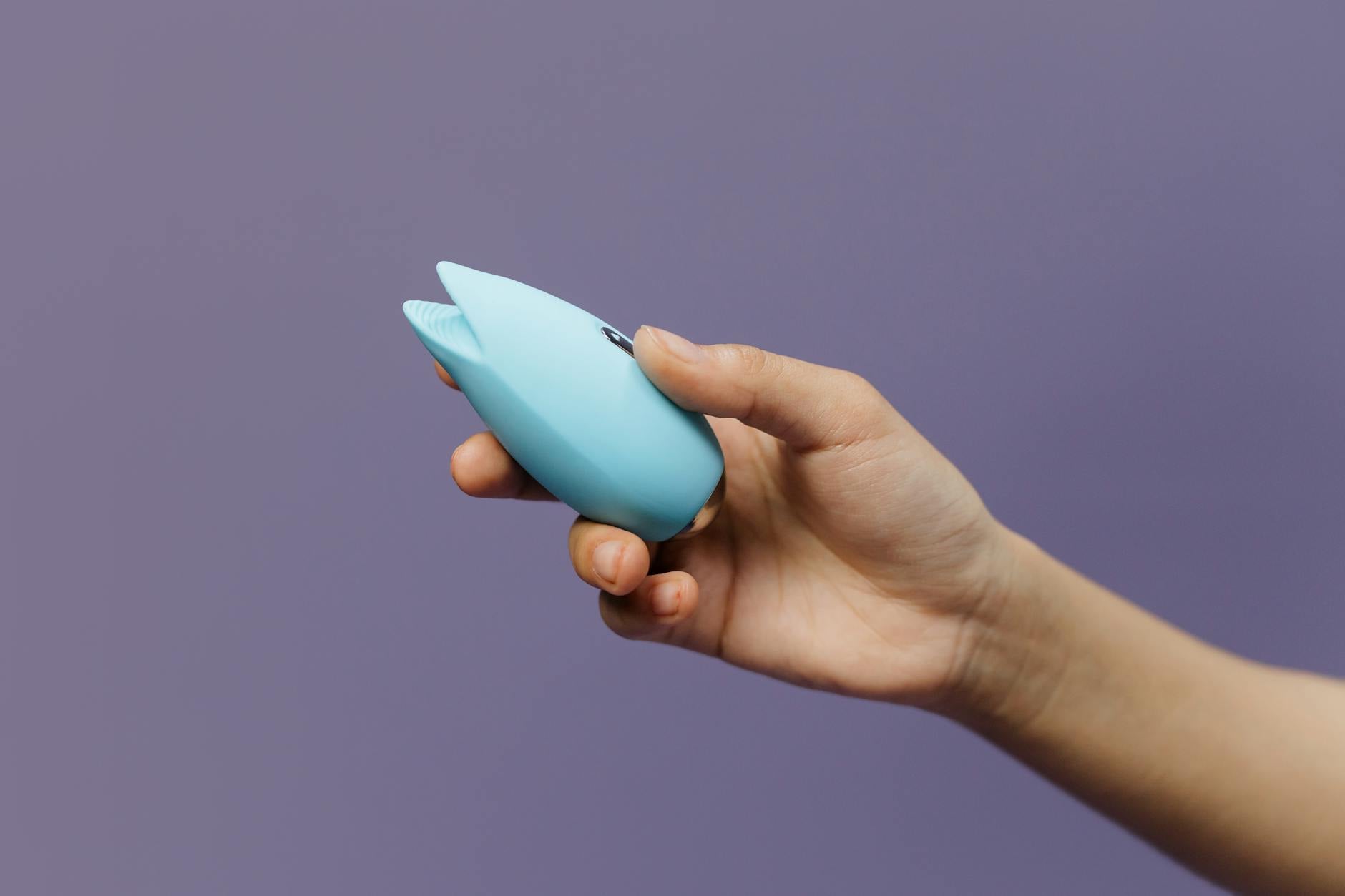
Explain what a lemon clitoral vibrator actually does. Not in clinical terms. In sensation terms. "It's a suction vibrator. It doesn't vibrate like a traditional vibrator. It feels like gentle pressure and pulsing right there. A lot of people say it feels like a completely different type of sensation than anything else." Make it sound like exploration, not replacement.
Show them the actual toy if you can. Let them hold it. Sensitivity partners often feel less anxious when they can see and touch the thing that's been abstract and scary in conversation.
Set expectations for the session. "We'll go slow. If it doesn't feel good or you want to stop, we stop. No judgment. We're just trying it." A sensitive partner needs explicit permission to opt out without consequence. That safety matters more than the toy itself.
The first time: rhythm and patience
Start with foreplay that feels normal. Don't introduce the lemon vibrator until they're already aroused and comfortable. A sensitive partner is more likely to reject something new if they're not already in a state of openness.
When you do introduce it, explain what you're about to do. "I'm going to try this here. Tell me how it feels." Keep talking. Sensitive partners often need verbal reassurance in moments where things are uncertain.
Start at the lowest intensity. A lemon clitoral vibrator's suction sensation is gentler than traditional vibration, but every body is different. Low intensity first always.
Pay attention to their response. Not just "do they like it" but body language cues. Are they tensing? Pulling away? Getting quieter? If so, ease off or pause. "How does this feel?" Keep the conversation open.
If it feels good, stay there. Don't escalate to intensity 3 or 4 just because you can. Let them adjust to the sensation. You can always increase later.
For a sensitive partner, the first experience should feel good but also feel manageable. They need to feel like they're in control of the tempo.
The partnership dynamic: making it about both of you
Here's what changes everything: framing the lemon vibrator as something that serves the relationship, not something that serves you.
"When I see you having a really powerful orgasm, I feel closer to you." That's true and it reframes the tool. It's not about your boredom or their inadequacy. It's about deepening what already works.
Alternatively: "I want sex to feel amazing for you. If this helps that happen, I want to use it." Again, it's about their pleasure, not your desire for a toy.
For a sensitive partner, knowing the vibrator is ultimately for their benefit makes a huge difference. They can stop worrying about your motivations and start exploring the sensation.
You can also involve them in the intensity choice. "Do you want me to try intensity two, or does this feel good?" Giving them that control matters. They're not passive recipients. They're directing the experience.
After the first time: building comfort
After you've tried it once, don't immediately assume you've solved the problem. A sensitive partner might need multiple sessions before they feel genuinely comfortable.
On the next time, reference what happened before. "Last time you liked when I did X. Can we try that again?" This tells them you were paying attention and you care about what felt good for them specifically.
Don't always use the vibrator. Sensitive partners sometimes need reassurance that you enjoy sex with them without it. Mix sessions. Some with the lemon clitoral vibrator, some without. That balance helps them feel like the toy is an occasional enhancement, not a requirement.
If they ever say "not today," accept that without question. No sighing. No "are you sure?" Just "okay. What sounds good instead?" That trust is foundational.
When resistance continues
Sometimes a sensitive partner tries a lemon vibrator once and still isn't convinced. That's okay. You're not obligated to keep pushing.
What matters is that you've shown them you care about their pleasure more than you care about the toy. That foundation of trust is worth more than any single session with a vibrator.
You can leave the door open without pressure. "If you ever want to try again, I'm here. No rush. No judgment." And then let it go.
Sometimes "no" today becomes "okay" in six months when they feel more secure or less stressed. Forcing it now will only make them defensive.
The deeper conversation
Beyond the vibrator itself, a sensitive partner often needs reassurance about the relationship. "I love what we have. I'm not trying to change you. I just want us both to feel as good as possible." That might sound cheesy, but for someone who's nervous about sex talk, that clarity is everything.
You might also ask what would make them feel more comfortable in general with intimacy and pleasure. Maybe it's less goal-focused sex. Maybe it's more non-sexual touch first. Maybe it's you talking less during sex and letting them direct more. The lemon vibrator is one tool. Creating safety is the real work.
Remember: a sensitive partner's resistance isn't rejection of you. It's usually self-protection. Your job isn't to overcome that. It's to show them that with you, that protection isn't necessary. That takes time, but when it works, the pleasure deepens for both of you.
Frequently asked questions
How do I know if my partner is resistant because they're genuinely not interested or because they're insecure?
Ask. Directly but gently. "I've noticed you seem hesitant about trying new things. Is this something you're not interested in, or is there something making you uncomfortable?" Listen to the answer without judgment. If it's genuine disinterest, respect that. If it's insecurity, you can work together to address it. The conversation itself tells you which it is.
What if my partner says a lemon clitoral vibrator makes them feel inadequate?
That's the moment to reframe the whole thing. "I don't need a vibrator to want you. I want a vibrator because I want you to feel the most pleasure you possibly can. Those are completely different things." Then ask what would help them feel secure. Maybe it's more verbal affection during sex. Maybe it's you using the vibrator only on yourself first, so they see it as your tool, not a commentary on them. Meet them where they are.
Should I use a lemon vibrator on my partner without asking first?
No. Never. A sensitive partner especially needs explicit consent and control. If you surprise them with it, you'll confirm their worst fear: that you're making decisions about their body without their input. Always ask, always explain, always let them say no.
What if we try it and my partner hates it?
That's fine. You tried. You learned. You move on. Don't keep bringing it up, don't act disappointed, and definitely don't use it on yourself resentfully. A sensitive partner is watching your face. If they feel like you're silently mad about their boundaries, that damages trust. The relationship is more important than any toy.
Can a lemon vibrator actually help a sensitive partner enjoy sex more?
Yes, but only if the introduction happens right. For some sensitive partners, once they realize the vibrator isn't a threat to the relationship and once they experience the actual sensation, it becomes something they genuinely want. The suction sensation of a lemon clitoral vibrator is different enough from traditional vibration that even people who thought they didn't like toys sometimes find it works for them. But the emotional work comes first.
How do I bring this up if we've never talked about sex openly?
Start smaller. Don't lead with the vibrator. Start with: "I want us to feel closer. I want sex to feel better for both of us. What would that look like?" Let them define "better" first. Maybe it's conversation. Maybe it's less pressure. Maybe eventually it's a tool. But you build the foundation before you introduce the hardware.
The bottom line
A sensitive partner isn't broken. They're not resisting because they're prudish or boring or afraid of pleasure. They're usually protecting something: their sense of adequacy, their vulnerability, their sense of control. Your job isn't to overcome that protection. It's to show them they don't need it around you.
When you approach a lemon clitoral vibrator as a collaborative exploration rather than a criticism, everything shifts. You're not saying "you're not enough." You're saying "I want to discover what feels amazing for you." That's an entirely different conversation. And from that place, real pleasure, and real connection, becomes possible.
References
For more on intimate communication with sensitive partners, consider reading the work of John Gottman on emotional bids and connection in long-term relationships, or revisiting our guide on how to use a lemon vibrator when your partner wants different things. We've also written extensively about building pleasure together with a new partner and navigating long-term relationship changes, both of which address similar trust-building principles.